Course Profiles / Arizona
Ambiente Course: A Course Profile
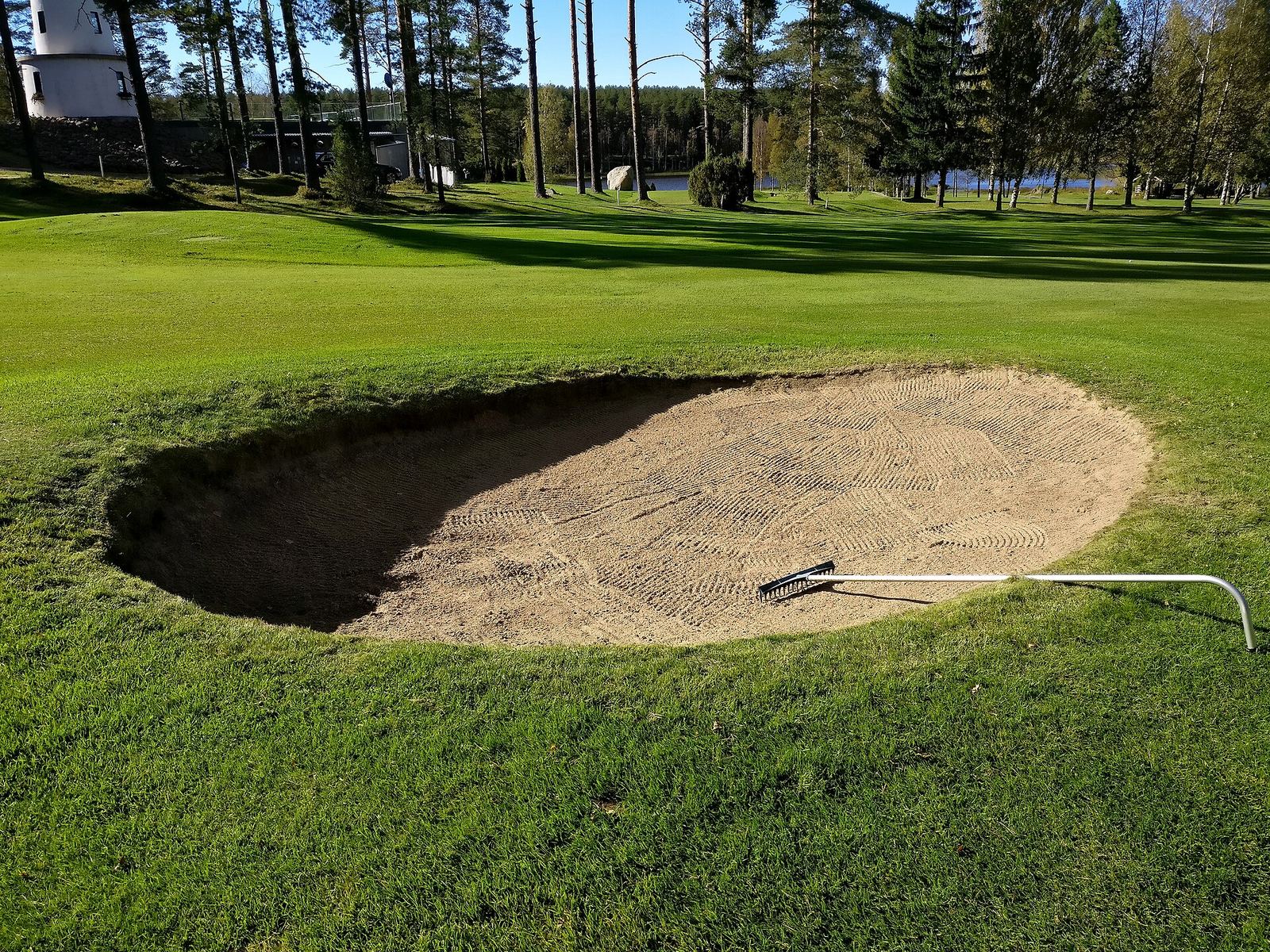
In November 2013, Camelback Golf Club tore out more than 100 acres of turf and gave the land back to the desert. Acacias, jojobas, sagebrush and wildflowers went in where irrigated grass had been. Pesticide and fossil fuel use dropped by about 50 percent. The replacement course, a $10 million rebuild of the old Indian Bend layout, was named Ambiente, Spanish for environment, and for once the name is not marketing. It is a description of the design brief.
Jason Straka of Hurdzan Fry designed it, and the American Society of Golf Course Architects noticed, recognizing Ambiente in its 2013 Design Excellence Recognition Programme. Desert golf had spent decades doing the opposite of this: emerald ribbons sprayed through rock, water hazards in a place with almost no water, conditioning as conspicuous consumption. Ambiente's argument is that Scottsdale golf looks better, plays firmer and costs the desert less when the maintained turf shrinks to the lines the golf actually needs.
The golf inside the idea
An environmental concept can hide weak golf, so check the scorecard. Par 72, five tee sets, playing from 5,538 to 7,225 yards. That spread is the most practical sentence in this profile. At 7,225 the back tees give a strong player a full test. At the forward end, the course was built with no forced carries from the forward tees, which means a newer golfer or a shorter hitter plays the same routing on the ground, through the desert edges, without a single do or die carry over a wash. Most courses claim playability for all levels. This one engineered it into the tee structure.
The views do quiet work too. Mummy Mountain, Camelback Mountain, the McDowells and the Phoenix Mountains Preserve all show up across a round. On the old model of desert golf, the mountains were a backdrop behind green turf. Here, with native desert running up to the fairway edges, the mountains read as a continuation of the course rather than scenery behind it. The golf sits in the landscape instead of being pasted onto it.
Place it locally with our Scottsdale ranking, where Ambiente competes in the deepest resort market in Arizona, and statewide with the full Arizona state ranking. Its case in both lists is distinctiveness. Scottsdale has no shortage of good desert courses. It has very few that changed what a desert course is allowed to look like.
It also changed the maintenance argument in a way other desert courses have had to answer. Cutting more than 100 acres of turf is not a cosmetic choice. It is less water, less mowing, less of everything the old model burned to keep a desert floor looking like Ohio. When the rebuild cut pesticide and fossil fuel use by about half, it gave resort golf in the valley a working example instead of a lecture: the golf stayed at a full par 72 with a championship back tee, the recognition from the architects' own society followed in the same year it opened, and the removed turf turned into the part of the course people photograph. That sequence matters. Ambiente did not trade quality for virtue. It argued the two were the same decision.
Where the argument thins
The concession is that native desert is less forgiving than turf, in both directions. A ball that misses the maintained corridor is in acacia and sagebrush country, and the recovery options narrow fast. Golfers raised on wall to wall grass sometimes read that as scruffy or unfair, especially in the first few holes before their eyes adjust. Resort guests expecting the plush, dark green Camelback look of memory may also miss the old presentation. Ambiente asks you to accept the desert on its own terms, and not every resort golfer flies to Scottsdale wanting a lesson in restraint.
But that is the point, and a decade on it holds up as the most interesting idea in Scottsdale resort golf from its period. Anyone can irrigate a fairway in the desert if the water bill gets paid. Straka and Camelback chose to cut the turf, halve the chemical and fuel load, keep five tees and a 7,225 yard back end intact, and let the mountains finish the sentences the fairways start. The round ends the way the course begins, with desert on both sides and golf down the middle, which is where it belonged all along.