Course Profiles / North Carolina
Asheboro Country Club: A Course Profile
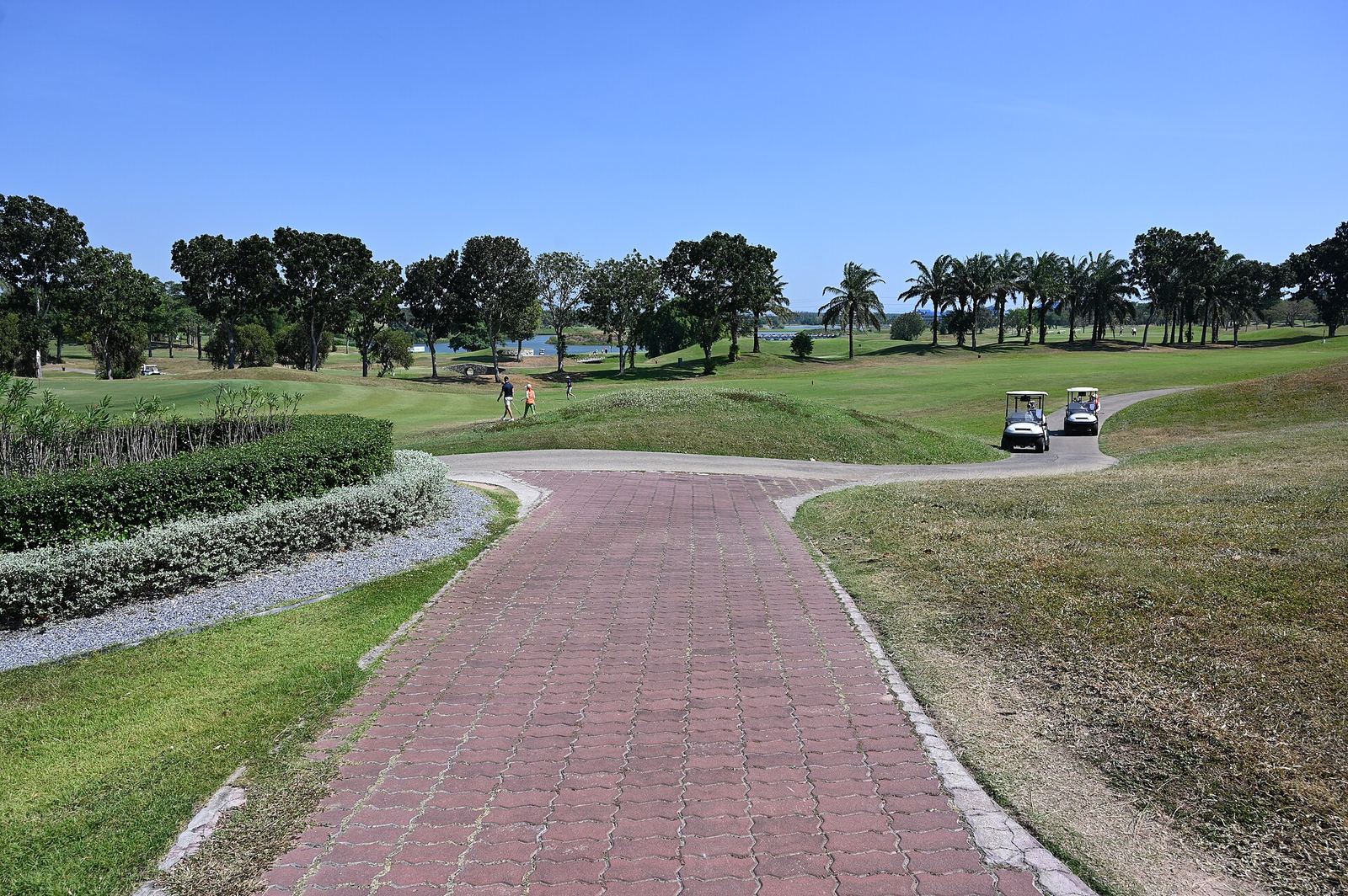
The 18th hole at Asheboro Country Club runs over 400 yards with water up the entire right side. That is a serious finishing hole anywhere. At a nine hole club in a small North Carolina city, built in 1960 around a 22 acre spring fed lake in the Caraway Mountains, it is a statement: this little course intends to be taken seriously.
Jim Bivins designed it, nine holes at par 71 stretching to 6,473 yards, which tells you the routing plays some holes from different tees to make its 18. The lake is the fact of the property. Water sits in play on most of the back nine, so the second loop is not a victory lap. It is the harder examination, with the 18th as the final argument. Small city golf often means short, flat and forgiving. Asheboro is none of the three, at least not on the way home.
The club that came back
The modern history is rougher than the golf. The club went through a Chapter 11 sale in 2019 and has since reopened under new ownership as a semi-private course. That sentence contains a whole era of American small town golf: a 1960 private club, built for a local membership, hit by the same economics that closed hundreds like it, and pulled back by new owners willing to open the tee sheet.
We count that as a gain for golfers, not a loss of exclusivity. Semi-private means the public can now play a lake course in the Caraway Mountains that sat behind a membership gate for six decades. In the full North Carolina state ranking it is never going to trouble the Sandhills names, and it does not need to. Its category is the surviving local club with real water, real length for its size and a finishing hole with consequences.
The honest concession is scale. Nine holes is nine holes, the record is thin, and 6,473 yards across a doubled routing asks you to enjoy seeing holes twice from different angles. Some golfers will not. Some clubs fold rather than adapt, and this one adapted twice, once by building around a lake in 1960 and once by reopening its doors after 2019.
Plenty of bigger courses have less nerve than that 18th: 400 plus yards, water the whole way home, and a small town watching to see if you can finish what the lake started.
Nine holes, played twice, meant once
The doubled routing deserves a fair hearing, because it is where golfers decide whether a nine hole club is a real course or a compromise. At Asheboro the lake settles the argument. Water in play on most of the back nine means the second loop is a different examination from the first, not a repeat: the angles change, the tee positions change, and the lake keeps collecting rent. By the time you stand on the 18th tee, over 400 yards with water up the entire right side, nobody is calling the format a compromise. They are trying to finish.
Par 71 at 6,473 yards also puts Asheboro in an odd and useful category. It is longer and harder than most nine hole courses, which tend to be beginners' ground, and it sits in the Caraway Mountains around a spring fed lake, which gives it a setting most full size public courses in the Piedmont would trade for. Randolph County golfers have known this since 1960. The semi-private turn after 2019 simply means the rest of the state can now find out.
Small clubs survive by being loved locally and useful regionally. Asheboro, post bankruptcy and back open, is both. That is a harder trick than building a long course.