Course Comparisons / New York
Atunyote Golf Club vs. Kaluhyat Golf Club: The Verona Choice
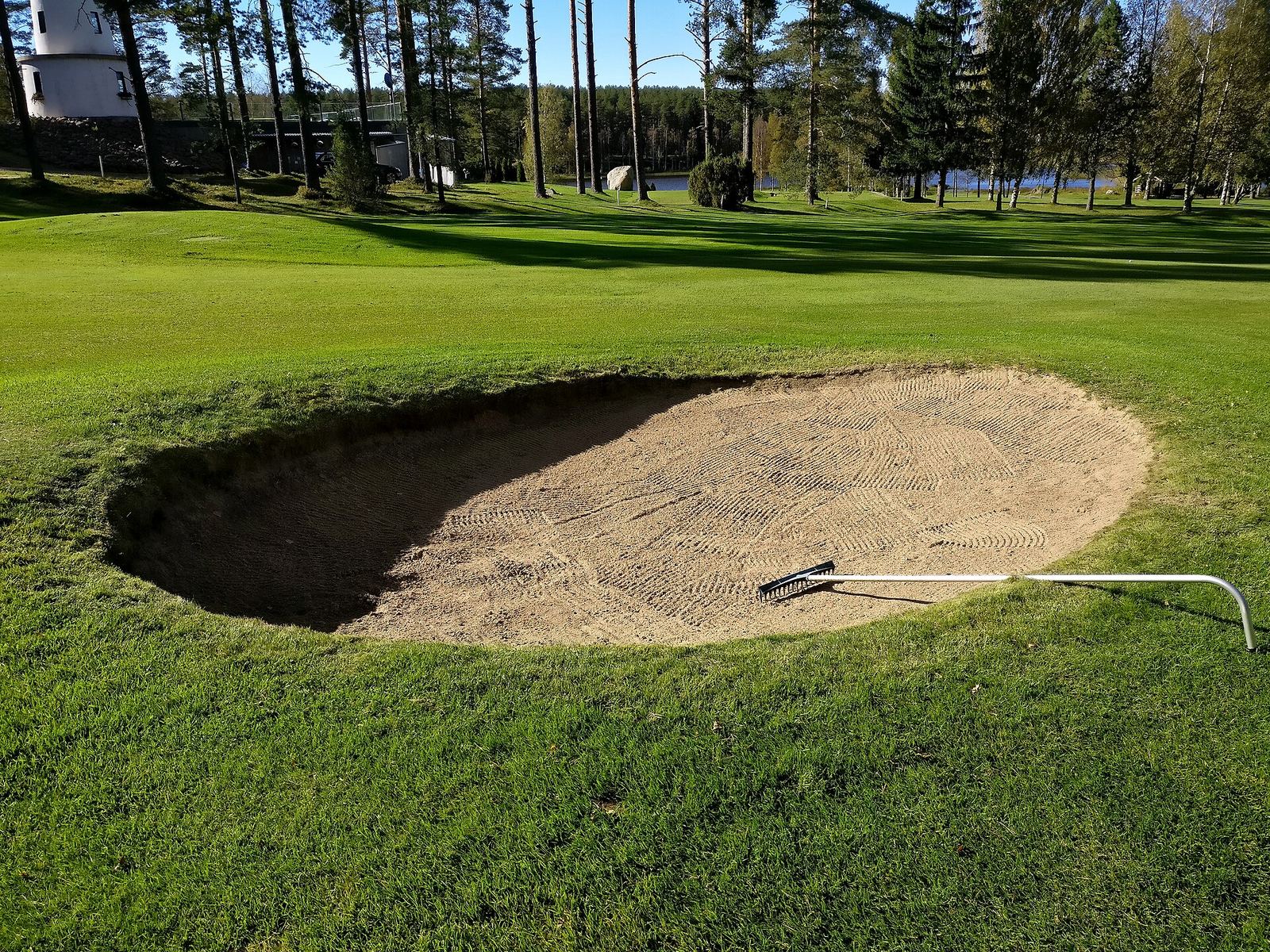
Turning Stone Resort Casino in Verona has three championship courses, and regulars argue about two of them with real heat. Atunyote is the famous one, the former PGA Tour venue with the lake. Kaluhyat is the hard one, the course widely described as one of the toughest in New York State. A golfer with one free afternoon at the resort has to pick, and the pick says something about what kind of punishment counts as fun.
Atunyote Golf Club
Tom Fazio designed Atunyote, opened in 2004. The name is the Oneida word for eagle. It plays par 72 at 7,315 yards, a parkland layout with a 13 acre lake running along three fairways. The tour came and stayed a while: Atunyote hosted the Turning Stone Resort Championship from 2007 to 2010, and before that it rescued the 2006 B.C. Open as a substitute venue after flooding at En-Joie. Winners there include Matt Kuchar and Dustin Johnson, which tells you the course rewarded power played under control.
Atunyote is the polished round. Fazio gives you room in places, views across the water, and a sense of occasion the other resort courses do not quite match. It feels like an event because it was one. For most resort guests, this is the course they came to Verona to play, and our Verona ranking treats it as the headline for good reason.
Kaluhyat Golf Club
Robert Trent Jones Jr. designed Kaluhyat, and he did not bring the resort friendliness. The record describes a woodland style layout with forced carries, waste areas, and trouble around the greens. Golfweek ranked it No. 15 on its 2026 list of the best courses you can play in New York, a strong showing for a course that many visitors quietly avoid after one beating. That ranking and that reputation are the same fact seen from two sides. Kaluhyat is admired by people who respect difficulty and skipped by people on vacation.
The difference between the two courses is the difference between a test and an examination hall. Atunyote's lake frames holes and punishes the genuinely loose shot. Kaluhyat's carries and waste areas punish the ordinary miss, the one every handicap golfer makes twice a round. Play Kaluhyat from the wrong tees and the day becomes an inventory of lost balls and dropped shots.
The verdict
Play Atunyote first. It is the better day for nine out of ten golfers: tour pedigree, the lake holes, enough length at 7,315 yards to stretch your game, and a finishing stretch built for the small drama of a friendly match. Our full profile of Atunyote makes that case at length, and both courses figure in the New York list.
One practical point decides a lot of these rounds before the first tee. Resort golf rewards the course you can finish. Atunyote lets a mixed group spread across several tee boxes and still play the same holes together, with the lake as shared scenery. Kaluhyat splits a group by ability, because the forced carries that challenge a single figure player can strand a higher handicapper with no safe line. Choose for the weakest player in the group if the day is social. Choose for the strongest if the day is a test. That distinction, more than any ranking, is what Turning Stone regulars are actually arguing about when they defend their favorite.
The concession, honestly given: Kaluhyat's fans have the more interesting loyalty. Nobody bonds with a course that beats them up unless the beating felt earned, architectural rather than arbitrary. If you are a low handicap player who finds resort golf too soft, or you have already played Atunyote and want the other Turning Stone argument, Kaluhyat is your course, with a spare sleeve of balls and no scorecard pride. Everyone else should take the eagle first and let the hard course wait for the trip where the game feels brave.