Town Guides / Georgia
The Augusta Golf Guide
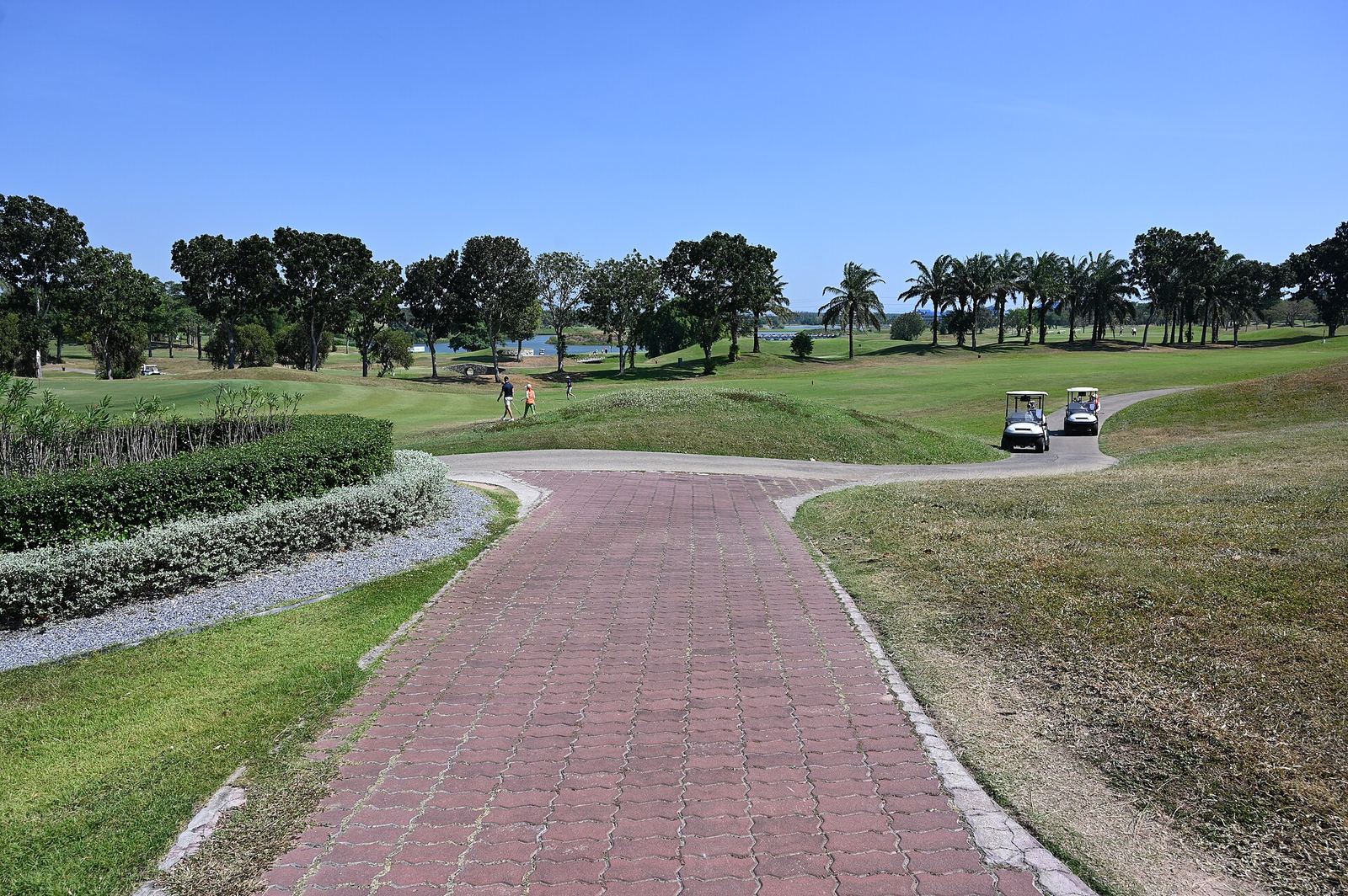
Every golf town in America has a center of gravity. Augusta's is so strong it bends the whole sport toward one neighborhood in Georgia each April. But a guide that only talked about Augusta National would be a guide to a course almost nobody reading it will ever play. The honest Augusta guide has four names on it: the National, Augusta Country Club next door, Forest Hills, and The River Golf Club. Everyone knows the National. Augusta CC played the Titleholders. Forest Hills is Bobby Jones's old public test. Start there, with the idea that Augusta golf is a spectrum running from the most exclusive invitation in sports to a public course where Jones himself played, all inside one town in the Central Savannah River Area.
Where the golf concentrates
The famous ground sits in one cluster. Augusta National and Augusta Country Club share a border and the Rae's Creek area, two private courses side by side, one of which the whole world watches each spring. Everything else in this guide radiates out from that fence line. Visitors arrive with the National in their heads and should leave understanding that Augustans have been playing serious golf outside that fence for a century.
Play them in this order if fortune ever gives you the full set. The National first, because there is no building up to it and no following it. Augusta Country Club second, while the comparison is fresh. Forest Hills third, as the public counterweight. The River Golf Club to close the trip, as the modern option across the river that visiting golfers use to round out a stay.
The anchors
Augusta National opened for play in 1933, co-designed by Bobby Jones and Alister MacKenzie on the former Fruitland Nurseries site, where the azaleas and camellias that still define its look were already part of the land. The Masters has been played there since 1934. Amen Corner, holes 11 through 13, named by Herbert Warren Wind in 1958, is the most famous stretch in golf, and the par three 12th, Golden Bell, over Rae's Creek, is its signature hole. Membership is invitation only. There is no public access, and costs sit in the highest estimate tier that exists. Our Augusta ranking puts it first because any other order would be a lie, and then gets on with the golf you can actually arrange.
Augusta Country Club is the neighbor with its own real history. Donald Ross designed it in 1927, directly adjacent to the National, and Brian Silva later led restoration work recovering the Ross features. It hosted early professional events in Augusta's winter tour era, including the Titleholders, and members can famously see the National's property from parts of the course. It is private, with costs in a high estimate tier, and for most golfers it is nearly as unreachable as its neighbor. But it matters to this guide because it proves the neighborhood's golf depth predates the Masters. Ross was here first.
Forest Hills is where this guide becomes useful to the rest of us. It is Bobby Jones's old public test, the course in this town where the public golfer can stand in a genuine piece of Augusta history without an invitation. On a trip built around watching golf or chasing the atmosphere of Masters week, Forest Hills is the round you can actually book, and its connection to Jones gives it a weight that ordinary public courses near famous venues never carry.
The River Golf Club completes the set as the fourth anchor, the name local itineraries use to give a visiting group another full round in the area. Think of it as the trip's flex day: after the private pair have been admired from outside the fence and Forest Hills has been played, the River is where the group's own golf continues.
The mistake and the close
The one mistake visitors make is treating Augusta as a one course town and spending the whole trip pressed against a fence. The town's golf story is a century deep, running from Ross in 1927 through Jones at both the National and Forest Hills, and it rewards the golfer who plays what can be played instead of only mourning what cannot. That story is also why Augusta anchors the Georgia state ranking so heavily.
Go in spring if you can, when the whole town is tuned to golf, and accept the access reality for what it is: two private courses to respect from a distance, one historic public course to play, and one more round across the river. The azaleas belong to the nurseries that were here before the golf was. Augusta just learned to arrange its April around them.