Course Profiles / North Carolina
Balsam Mountain Preserve: A Course Profile
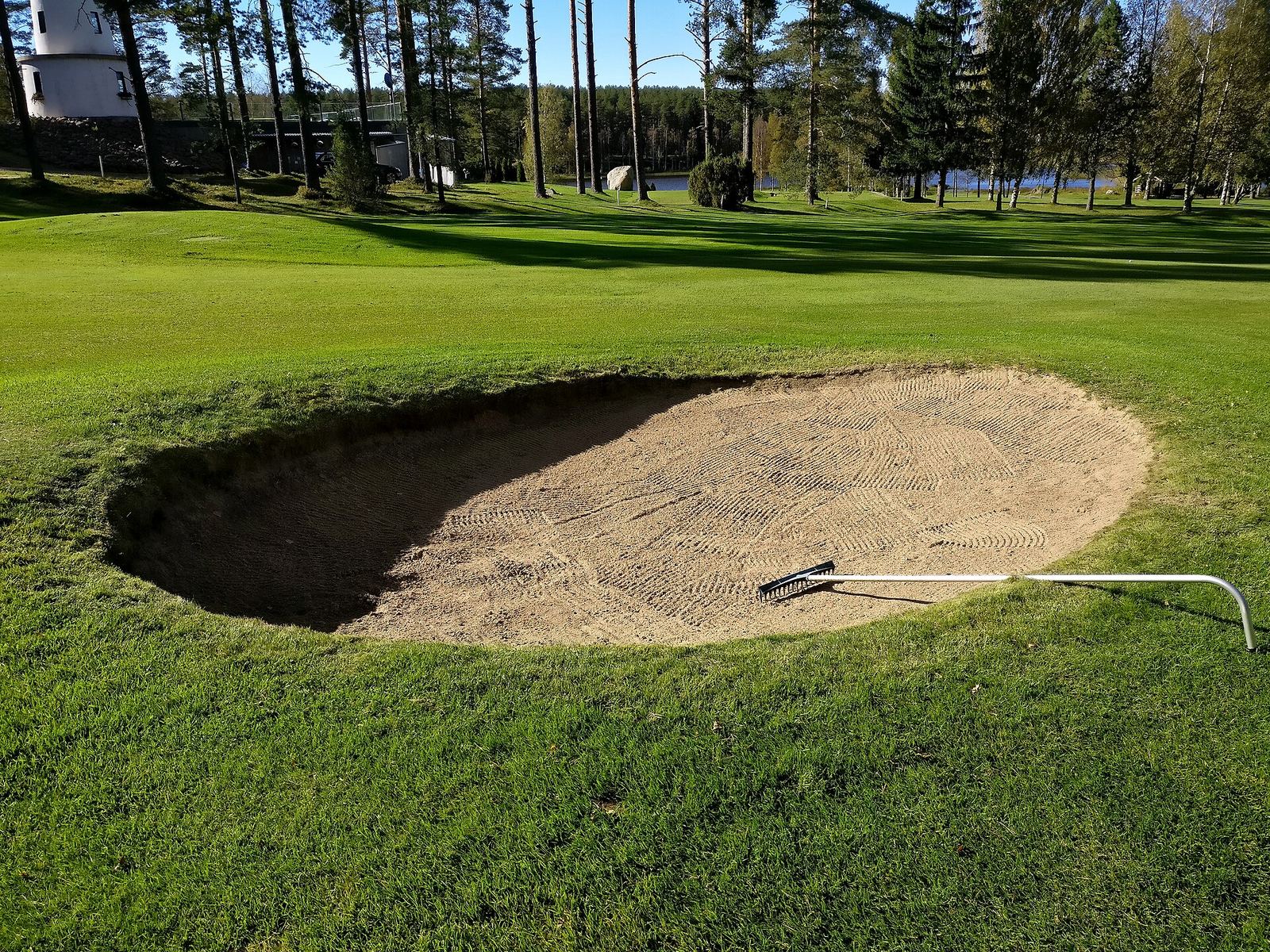
Most courses finish with a handshake hole, something broad and forgiving that sends everyone to the clubhouse happy. Balsam Mountain Preserve finishes with a 214-yard par 3. Arnold Palmer insisted on it. His design team proposed the closing hole, Palmer backed it personally, and that decision tells you more about this place than any brochure line could. At altitude, at the end of a mountain round, you get one more full iron shot with nowhere to hide.
The numbers frame the test. The Arnold Palmer and Ed Seay design, opened in 2007 near Sylva in Jackson County, plays to a par of 70 at 6,784 yards, at elevations between roughly 3,200 and 3,700 feet. Par 70 is a statement by itself. It means fewer par 5s to lean on, more long par 4s doing the heavy work, and a card that does not hand back shots easily. Add 500 feet of elevation change across the property and thin mountain air that makes every yardage a small argument, and 6,784 yards plays longer in the mind than it does on the card, even as the ball flies farther at that height.
Palmer in the mountains
Palmer's best design work has a directness to it. He played aggressively, he liked a shot that asked a clear question, and his courses tend to reward the player who commits. Balsam Mountain is a mountain version of that idea. The elevation is not decoration here. Shots climb and drop, lies tilt, and the preserve setting means the golf sits inside a much larger piece of land that was protected on purpose. Some 3,000 of the community's 4,400 acres are held as a permanent nature preserve under the Balsam Mountain Trust. Golf gets the smaller share of this property, and the course is better for the restraint. The corridors feel carved out of a forest that was there first and will stay.
That ratio, roughly two acres protected for every acre developed, is unusual even by the standards of conservation communities. It changes the sensory experience of a round in ways that are hard to fake. There are stretches where the only company is trees and ridgelines. Mountain golf in North Carolina often means houses lining every fairway with a view of a valley. Here the views belong mostly to the preserve.
For context on where a private mountain course like this sits in the state, see our North Carolina state ranking, which weighs the famous Sandhills and coastal names against mountain golf like this.
The access reality
Balsam Mountain Preserve is private. That is the plain fact, and it shapes any honest profile. Most readers will not play it without a member connection, and no ranking should pretend otherwise. In our scoring we give access real weight, and a private club at high elevation in western North Carolina loses points on that axis to resort courses a visitor can book. What it gains back is exclusivity of a particular kind. This is not a crowded club. The preserve model keeps density low, rounds uncrowded, and the golf separated from the real estate in a way older mountain developments rarely managed.
Costs, where private clubs are concerned, are not published, and we do not invent them. A community of this type, with a Palmer course and a permanent land trust, sits in a high estimate tier by any reasonable reading, and anyone pricing membership should treat published guesses elsewhere with suspicion. The honest line is simple: this is premium mountain club golf, priced like it, with the details available only through the club itself.
Who it suits, and the concession
It suits the strong iron player. A par 70 with a 214-yard par 3 to finish is a course that grades your mid and long irons all day, and the elevation punishes tentative swings because a mishit at altitude still travels, just in the wrong direction. It suits the member who wants quiet. Four thousand feet up, inside a preserve, quiet is the default setting.
The concession is real. Par 70 at altitude will wear out a higher handicapper, and Palmer's insistence on a long par 3 finish, while characterful, is a tough way to close a match you are one up in. Some golfers will call the 18th a gimmick. It is not, but the defense takes a paragraph: closing par 3s were once common in Britain and have largely vanished from American design, and a course that ends by asking for your best iron shot of the day is making an old argument, not a stunt. Still, if your long irons are your weakness, this finish will find you out in front of whoever is watching from the clubhouse side.
Set against the full list in the 5 best golf courses in North Carolina, Balsam Mountain makes its case on setting, restraint, and one man's stubborn idea about how a round should end. A 214-yard question, asked last, at 3,500 feet or so, with the preserve going quiet around it. Palmer would have liked the silence before that swing.