Town Guides / Maryland
The Baltimore Golf Guide
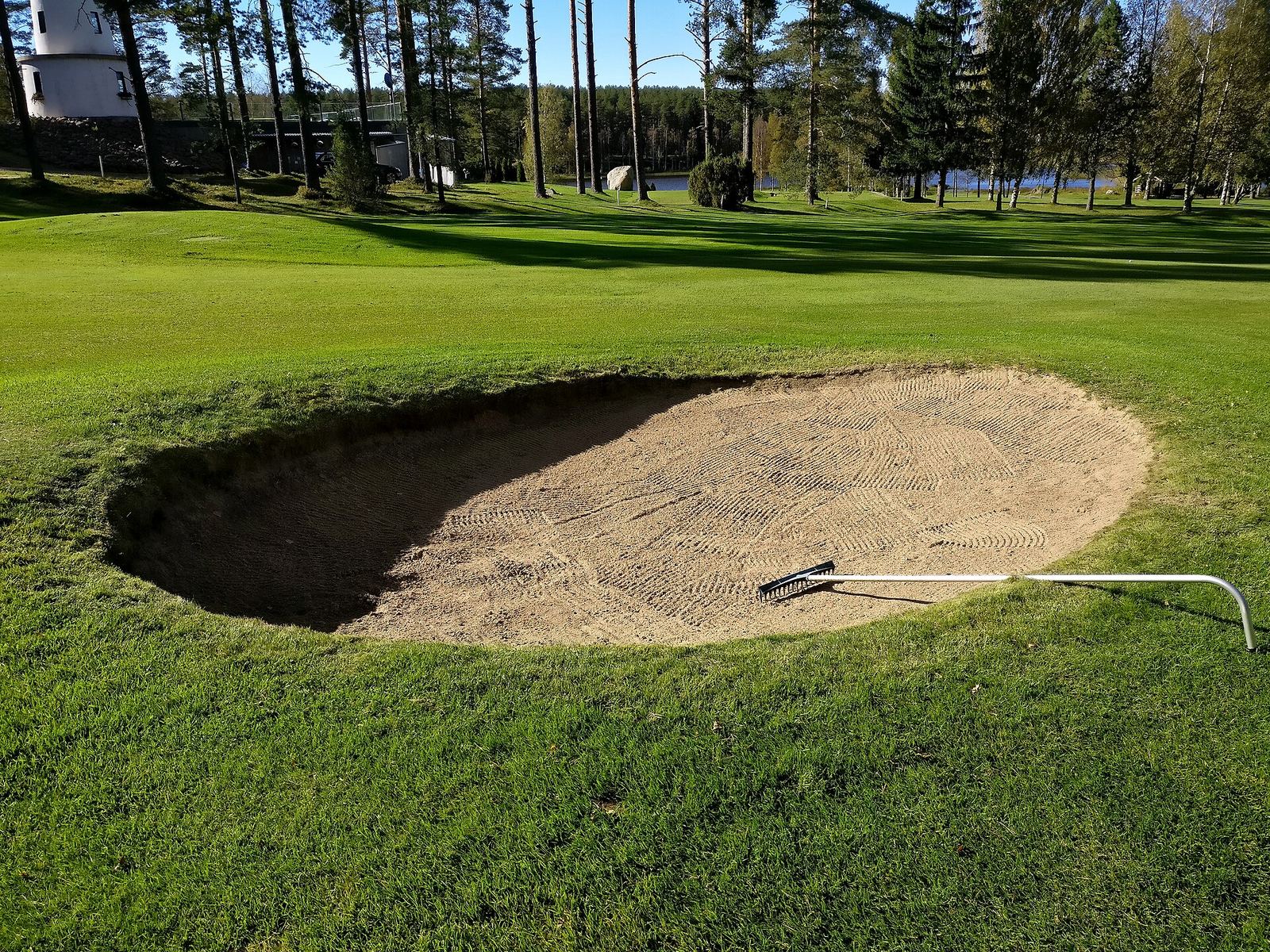
Baltimore's golf story is a municipal one, and it is better than the city's private-club reputation suggests. The city runs five municipal courses through the Baltimore Municipal Golf Corporation, the Classic Five, in place since 1985, and three of them carry the kind of history most cities paved over decades ago. A tour event in the Palmer era. A course built on Johns Hopkins's summer estate in 1915. Greens fees in the directories listed at twelve to twenty-six dollars. If you are coming to Baltimore to play golf, you are coming to play the munis, and you should play them in the order the city built them into its life. The full ordering is in our Baltimore course ranking.
Start at Mount Pleasant
Mount Pleasant Golf Course, in northeast Baltimore, is the flagship and the first round of any Baltimore golf trip. It opened in 1933 as an 18-hole par-71 municipal course and plays 6,728 yards from the longest tees, full size by any era's standard. In the 1950s it hosted the Eastern Open, a PGA Tour event, in the Palmer era of the tour, and local telling credits Arnold Palmer with a win here. Tour events at city courses were common once and are nearly extinct now; Mount Pleasant is a survivor of that arrangement, city-owned parkland where the best players in the world once teed it up for a municipal purse.
Play it first because it is the best golf of the three anchors and because it sets the trip's terms: this is walkable, public, historic golf, priced for residents. Directory listings have put it at twelve to thirteen dollars, a number that belongs to another century and somehow still describes a Baltimore muni.
Forest Park and Clifton Park
Forest Park Golf Course, in northwest Baltimore, is the second round. Gus Hook designed it, and it opened in the mid-1930s as part of the same municipal building wave; it plays par 71 at about 6,120 yards, parkland, walkable, city-owned, listed in directories at twenty-five to twenty-six dollars. It is the neighborhood course of the Classic Five, shorter than Mount Pleasant and gentler, the round you schedule for the morning after or the afternoon of arrival.
Clifton Park is the history play, and it should close the trip. Built in 1915 on the former summer estate of Johns Hopkins, it was Baltimore's first public golf course, and city telling counts it among the oldest municipal courses in the United States. It plays par 71 at about 5,950 yards, with the opening hole beside the historic Clifton Mansion, and it hosted early U.S. Public Links competition in the city's account of its past. Gus Hook's name is on Clifton Park too, which gives Baltimore's muni system a single designer's thread running from 1915 through the 1930s: Hook built the city's public golf, course by course, across three neighborhoods. The statewide context sits in the Maryland state ranking.
The order, the mistake, the close
So the trip runs: Mount Pleasant for the championship bones, Forest Park for the neighborhood round, Clifton Park for the walk through 1915. All three are municipal, all three are playable on a resident's budget, and none of them requires knowing a single member of anything. That is the point of Baltimore golf, and it is rarer than it should be.
The one mistake visitors make is skipping the munis for a private invitation or a suburban daily-fee and missing the actual story. Baltimore's private golf is fine and mostly forgettable. Its public golf is a century-old system that hosted Arnold Palmer and still charges what a sandwich costs. Play Clifton Park last, stand on the first tee next to the mansion Johns Hopkins summered in, and remember that American public golf started in places exactly like this: a rich man's lawn, handed to a city, for twelve dollars a round.