Course Profiles / New Jersey
Baltusrol Lower Course: A Course Profile
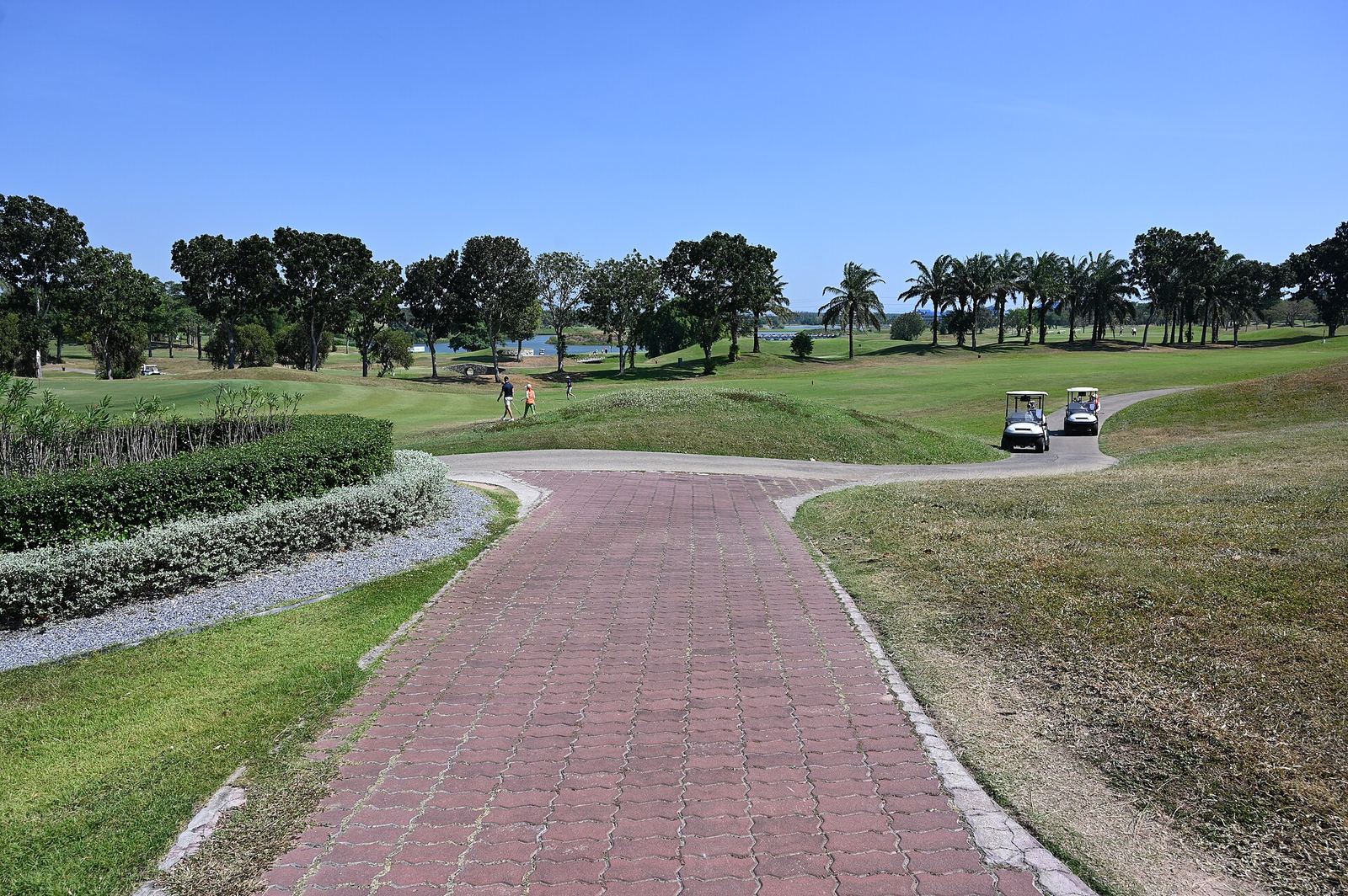
In 1954 Robert Trent Jones stood on the fourth tee at Baltusrol Lower, a par 3 over a pond that members had been calling unfair, and made an ace. The story survives because it settles an argument the way only a hole-in-one can. The hole was fair. The architect proved it with the ball in the cup. That is Baltusrol in miniature: a course that has spent a century being accused of severity and then hosting the championships that prove severity was the point. Our place for it in the state picture is in the best courses in New Jersey ranking, but the Lower Course really argues with national company, not state company.
The Lower opened in 1922, A.W. Tillinghast's work, as part of the first contiguous 36-hole dual courses project in the United States. Two full championship courses, side by side, built at once. Almost nobody did that in 1922, and the ambition set the club's course for a century. What followed on the Lower is a championship roll that few American courses can match in one breath: U.S. Opens in 1954, 1967, 1980 and 1993, with Jack Nicklaus winning in 1967 and again in 1980. PGA Championships in 2005, won by Phil Mickelson, and 2016, won by Jimmy Walker. The KPMG Women's PGA in 2023. A club named a National Historic Landmark in 2014, an honor golf courses almost never receive, because the place itself is part of American golf history and not just a venue that borrowed some.
Lengthened, then restored
Baltusrol also carries a warning about what championship golf does to a classic course. Robert Trent Jones lengthened it for championship play starting in 1948. Rees Jones repeated the work in 1992. Father and son, four decades apart, same assignment: make Tillinghast long enough and hard enough for the modern professional. Each pass bought the club another major. Each pass also moved the course further from what Tillinghast drew, which is the quiet cost of staying on the rota. Courses that refuse the work lose the championships. Courses that accept it can lose themselves.
The correction came from Gil Hanse, whose restoration of the Lower reopened in 2021. Restoration is the right word and the record supports it: the work aimed at recovering the Tillinghast character that the lengthening decades had paved over. The test of the Hanse version is already scheduled. The PGA Championship returns in 2029, which means the restored Lower gets examined by the best players in the world on a course trying to be two things at once: the 1922 design, and a modern major venue. If Hanse got it right, 2029 is where everyone finds out.
What the golf asks
The fourth hole, the par 3 over the pond, is still the signature because it concentrates the course's character into one shot. There is no bail-out worth taking, no angle that softens it. You hit the shot or you pay. Tillinghast built that kind of clarity all over his best work, greens and hazards placed so the decision is made standing over the ball, not discovered afterward. The Lower rewards the golfer who can hold a line under pressure and punishes, promptly, the one who talks himself into a shot he does not have. That is why it keeps hosting majors while prettier courses do not. A championship committee can trust it to separate a field without trickery.
One concession, honestly made: for the ordinary good golfer, the Lower in championship trim is a grind, and the decades of lengthening left stretches where power matters more than the shot-making Tillinghast prized. The restoration softens that criticism without erasing it. This is not a course that flatters anybody, and members who play it weekly earn their handicaps in a way resort golfers never understand.
Private, in Springfield, and not apologizing for either fact. The Lower Course is the rare American venue where the history is not decoration. It is the design brief, the championship record, and the defense against every modern architect who thinks he could do better on the same ground. The fourth green, the pond in front of it, and an ace from 1954 say otherwise.