Course Profiles / New Hampshire
Beaver Meadow Golf Course: A Course Profile
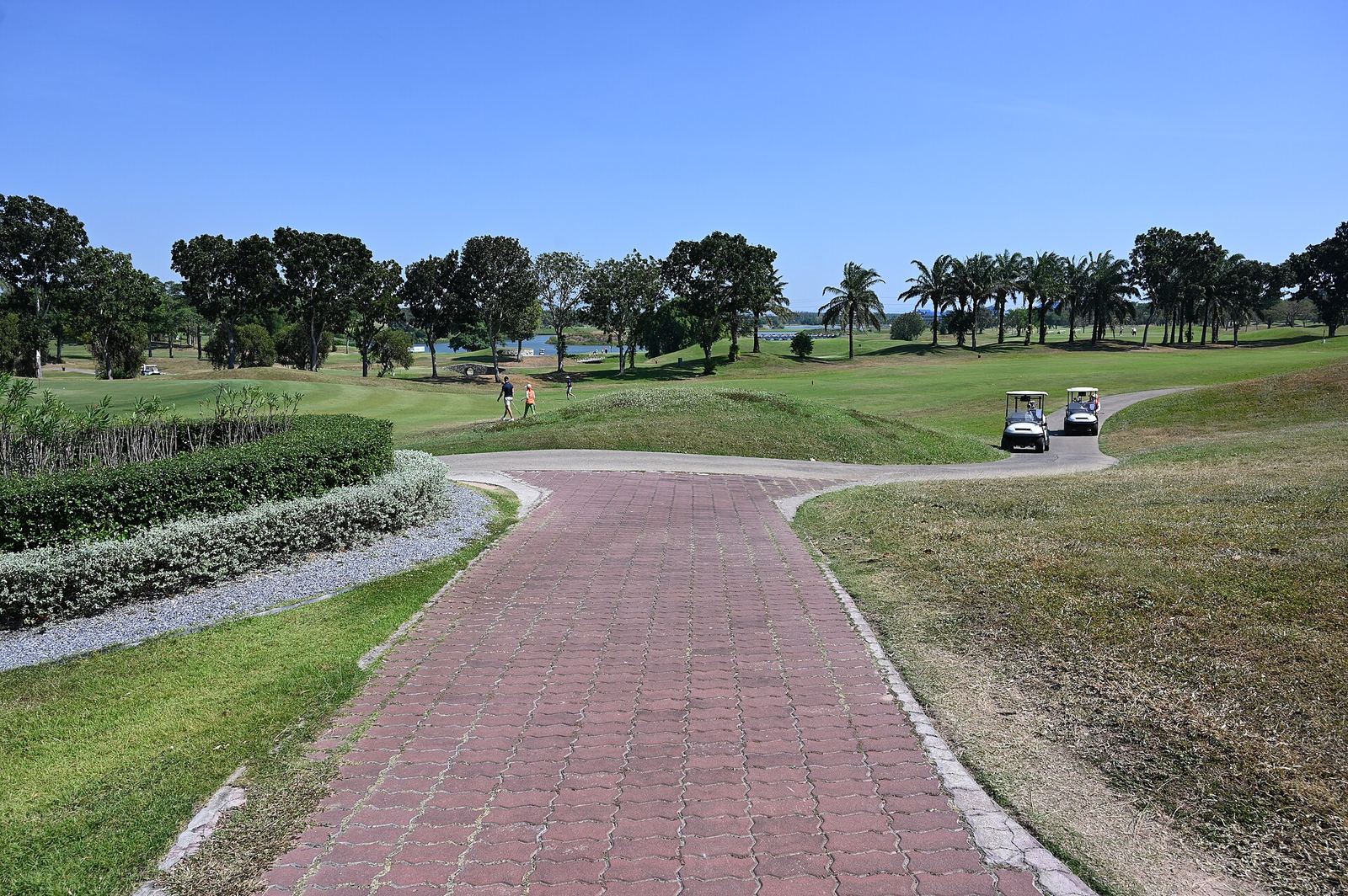
Fifty dollars. That is what Concord paid Willie Campbell to design its first nine holes in 1896, and it may be the best fifty dollars any New Hampshire town ever spent on golf. Beaver Meadow is the state's oldest golf course, a municipal layout in the capital city, and its survival from the Grover Cleveland era to a modern 18 holes is not a curiosity. It is the main fact about American public golf in New England: some of it started early, stayed public, and just kept going.
Campbell was a Scottish professional, one of the men who carried the game across the Atlantic and laid out courses wherever a town would pay him, often for sums that sound like jokes now. The $50 fee, recorded by VCP Golf, bought Concord a nine that opened a tradition the city has maintained for well over a century. The City of Concord took over ownership and maintenance in 1930, in the middle of the Depression, when plenty of towns were letting courses die. Concord kept theirs. That decision, more than any design feature, is why this profile exists.
Two nines, two eras
The second nine arrived in the late 1960s, designed by Geoffrey Cornish, the most prolific New England architect of his generation. So Beaver Meadow is a genuine two-era course: an 1896 Campbell nine and a Cornish nine added roughly seventy years later, now playing together as 18 holes, 6,356 yards, par 72, with a rating of 70.8 and a slope of 127 per GolfLink. Those numbers describe an honest municipal test. Not a championship examination, not a pitch and putt. A course a good club player has to play properly and a mid-handicapper can finish without losing a dozen balls.
The Cornish half deserves respect in the telling. Cornish built hundreds of courses across the Northeast, most of them public or modestly private, and his skill was making land and budget produce playable, interesting golf for ordinary players. Paired with Campbell's surviving nine, Beaver Meadow offers something few courses anywhere can: a walk through two distinct periods of American golf design in a single round, for a municipal fee, in a state capital.
That history sits inside a larger state picture in our New Hampshire state ranking, where mountain and private courses dominate the top. Beaver Meadow's claim is different, and older.
The tour footnote that is not a footnote
Municipal courses are not supposed to host professional tours, but Beaver Meadow hosted LPGA Futures Tour and Symetra Tour events from 2005 to 2013, a run of nearly a decade. The Futures Tour, later the Symetra Tour, is where future LPGA players earn their way up, and its fields are full of professionals who hit it farther and straighter than almost any amateur. A 6,356-yard municipal course holding those events for nine seasons says the layout, set up properly, could still ask questions that mattered, and that Concord could run a tournament. Both halves of that sentence reflect well on the place.
We score the golf first, then the day, then value and access. On access, a city-owned course in the capital is nearly unbeatable. Anyone can play it. On value, municipal pricing against 130 years of continuity is a strong hand. On the golf itself, the honest assessment is a good, playable, historically layered course rather than a great one, and there is no shame in that sentence. Most golf in America is played on courses exactly like this, and most of it is worse.
Who it suits, and the concession
It suits the golfer who cares where the game came from, the Concord local with a standing Saturday game, the traveler crossing New Hampshire who wants one round with genuine 19th century roots instead of another resort layout built last decade. It suits junior and newer players too, at a length and slope that welcome them without boring their better playing partners.
The concession is length and ceiling. At 6,356 yards with a 70.8 rating, Beaver Meadow will not test a strong player's long game the way a modern championship course does, and its facilities are a city's, not a resort's. Golfers who equate value with conditioning budgets and practice complexes will find it plain. We concede the plainness and note that plainness is partly the point. This course has been a working part of a small city's life since 1896, through a city takeover in the Depression and a second nine in the sixties and a pro tour in the 2000s.
Plenty of courses claim to be historic. Beaver Meadow can prove it with a receipt: nine holes, Willie Campbell, fifty dollars, 1896. The rest of the 5 best golf courses in New Hampshire can fight over the mountain views. The oldest course in the state is in the capital, owned by the public, still open.