Course Profiles / Missouri
Bellerive Country Club: A Course Profile
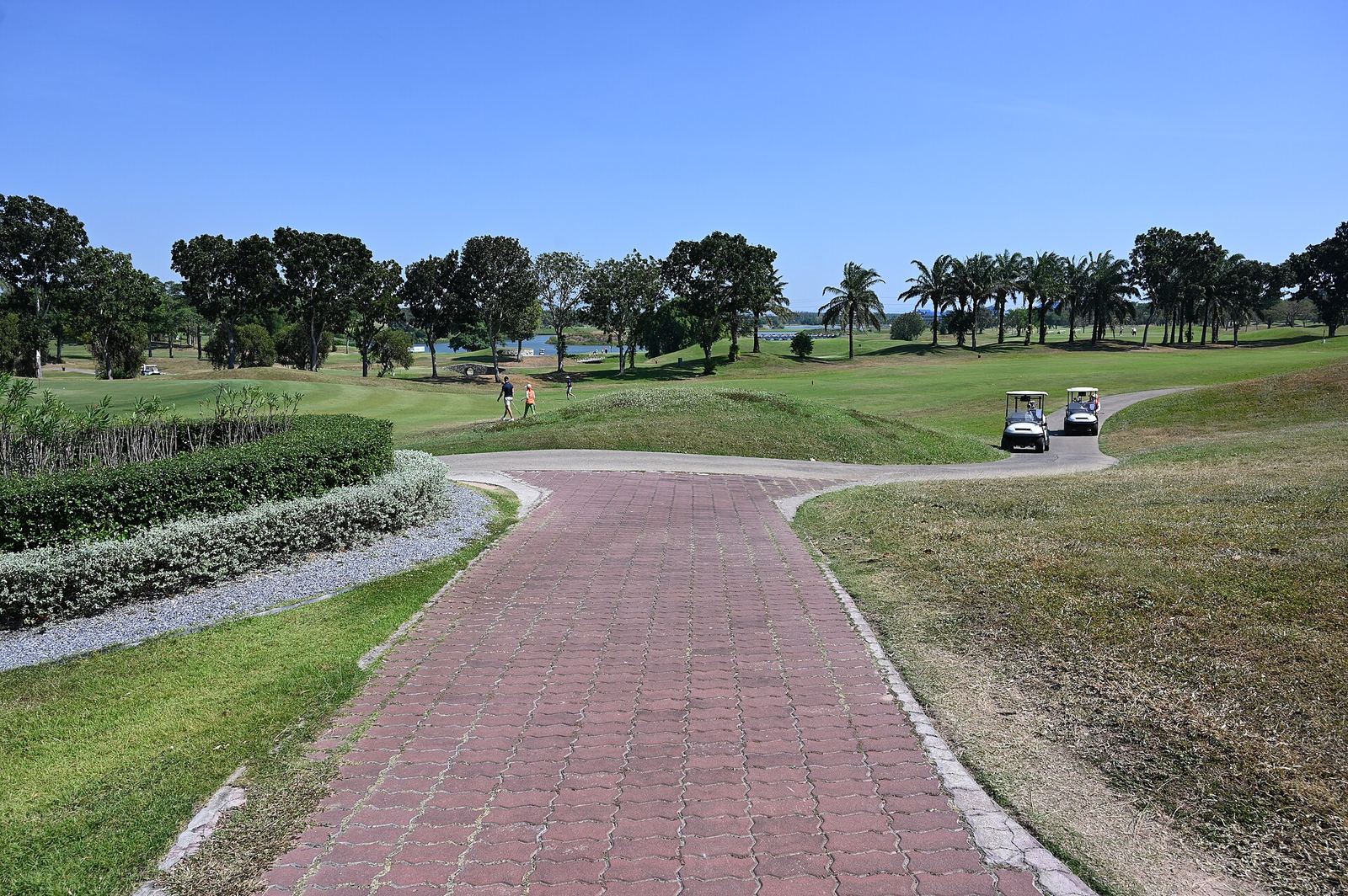
Gary Player completed his career Grand Slam at Bellerive in 1965, winning the U.S. Open on a course that was five years old. At the time it was the youngest course ever to host the Open. Think about what that means. The USGA, the most conservative championship body in golf, took its national championship to a Robert Trent Jones Sr. course in Town and Country, Missouri, that opened on Memorial Day 1960, and the week produced one of the game's landmark wins. Bellerive has been living up to that debut ever since. The state picture is in the best courses in Missouri ranking, but like Baltusrol, this is a course whose real argument is national.
The club itself began in 1897 as a nine-hole Field Club, which gives it the classic American biography: 19th century golf club, a move to the suburbs, and a statement course on the new ground. The statement came from Robert Trent Jones Sr., then at the height of his powers as the architect majors called when they wanted a test. His Bellerive opened in 1960 and was dubbed the Green Monster of Ladue. Nicknames like that are earned in the first season, by members watching good players post bad numbers. Jones built long, demanding golf, and Bellerive at its current championship measure, par 72 at 7,547 yards, still carries that brief.
A championship record with no gaps
Read the hosting record as a single sentence and its weight lands: the 1965 U.S. Open won by Player, the PGA Championship in 1992 won by Nick Price, the U.S. Senior Open in 2004, the BMW Championship in 2008, the Senior PGA in 2013, and the centennial 100th PGA Championship in 2018, won by Brooks Koepka. Six decades, no decade skipped. Governing bodies keep returning because the course keeps producing worthy champions and a test that needs no apology. Player completing the Slam and Koepka winning the 100th PGA are bookends most venues would trade their whole history for.
The next entry is already scheduled: the Presidents Cup in 2030. A team event is a different kind of trust. It asks a course to produce theater, reachable holes, and match-play volatility, not just 72-hole severity. That the same ground has been asked to do both tells you the Jones bones are more flexible than the Green Monster nickname suggests.
The Rees Jones pass
Renovated by Rees Jones in 2005 and 2006, with the greens shrunk by about 1,000 square feet each, the modern Bellerive is a father-and-son argument conducted in turf. The son's work tightened the targets his father's generation had built, adapting the course to modern championship expectations. Shrinking every green by a thousand square feet is a significant edit, and it cuts against the usual renovation story of expansion for the modern ball. Bellerive chose precision over acreage.
The honest concession: Trent Jones severity is a taste, and golfers raised on the modern strategic school can find Bellerive's examination one-note, length and accuracy demanded in the same order on hole after hole. The members and the championship committees have voted the other way for sixty years, and the champions list is their evidence. Player, Price, Koepka. Courses that identify the best player in the field that week are doing the one job a championship course has.
Private, in St. Louis County, and scheduled to be on television again in 2030. Bellerive opened as the youngest U.S. Open course in history and grew into one of the game's most reliable championship addresses. The Green Monster of Ladue turned out to be a promise the course has now kept for more than sixty years.