Course Profiles / Iowa
Finkbine Golf Course: A Course Profile
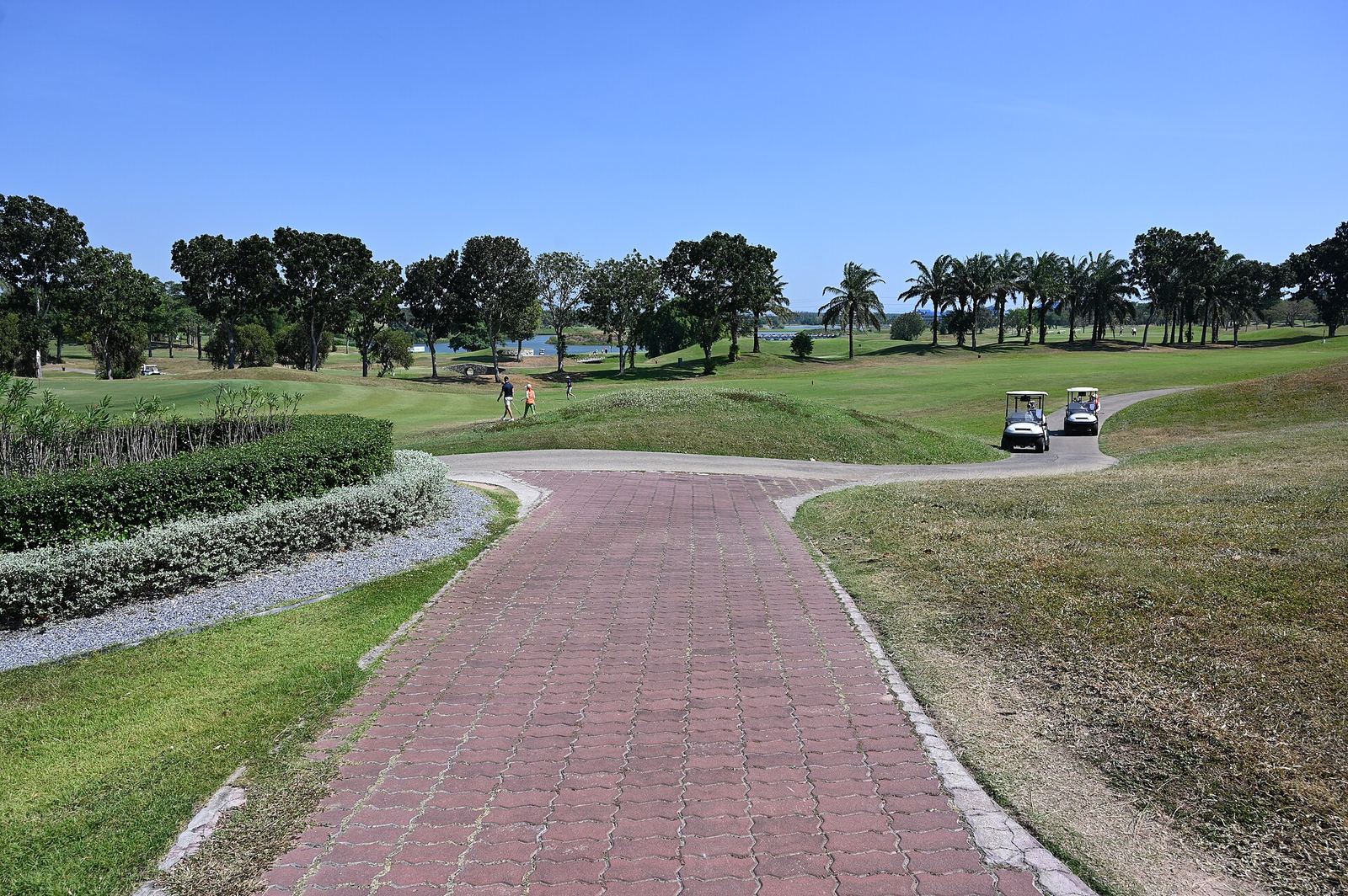
The 13th hole at Finkbine is an island green. Not a peninsula pretending, not a green with water on two sides and an escape route at the back. An island, surrounded by water, with multiple tee boxes and two greens built into the concept, at a university golf course in Iowa City that opened in 1955. Robert Bruce Harris designed Finkbine as the home course for University of Iowa golf, and whatever else has changed across seven decades of renovations, that 13th remains the hole everybody talks about on the drive home. College courses are supposed to be forgettable practice facilities. Finkbine has a signature hole with genuine menace in the middle of the back nine.
The rest of the course is no pushover either. Finkbine plays 7,280 yards at par 72, per the University of Iowa athletics site, which is serious length for a course of its era. It hosted the men's Big Ten Championships in 1992 and 2002, the 1991 Ben Hogan Tour Hawkeye Open, and the PGA Amana VIP Pro-Am for more than 20 years. Hosting the Big Ten twice means conference coaches kept voting to bring their championships back to Iowa City, and that vote is worth more than a magazine panel's afternoon. Golfweek listed Finkbine among its five Iowa public courses ranked nationally in 2026, which places a 1955 university layout in the state's modern top tier.
The course has been maintained like it matters. A fall 2003 renovation brought bentgrass fairways and newly grassed greens and tee complexes. More recently the course has been undergoing a major renovation, with longer fairways and native prairie in the plans, per the Des Moines Register, and a Scott Hoffman renovation has been reported at $11 million. University courses live or die on this cycle of investment. A school that stops spending gets a tired muni with a logo on the scorecard. Iowa kept spending, and the result is a home course that still hosts championships instead of just remembering them.
A public course with a team's standards
Finkbine's dual life is the interesting tension. It is a public university course, which means the Iowa City golfer without any university connection can play the Hawkeyes' home ground. It is also a Division I team's daily workplace, which means the conditioning and the length have to satisfy players who compete across the Big Ten. Our Iowa City town ranking and the Iowa state ranking both treat Finkbine as the anchor of its area for exactly that reason. Public access to a course kept at team standard is the best deal in college town golf, and Iowa City has had it since 1955.
There is also something to be said for a course that has held the same job since 1955. Finkbine was an Iowa course before televised golf turned every university layout into a branding exercise, and it has outlasted several eras of design fashion without surrendering its identity. The length was extended rather than the routing discarded. The greens were re-grassed rather than reinvented. Even the current renovation, for all its reported cost, works on fairways and prairie plantings instead of blowing up Harris's ground plan. Continuity like that is rare in American golf, where the default answer to an aging course is a bulldozer and a famous name. Iowa chose the slower answer, repeatedly, for seventy years.
The concession is that a course in active renovation is a moving target. Visitors may find a hole altered, a fairway longer than the last review they read, native prairie growing in where clean rough used to sit. The native areas, in particular, change the bargain for wild hitters: the course is getting more beautiful and more punishing at the same time, and a ball that used to sit up in mown rough may now be a search party. Plan for the version of Finkbine that exists when you arrive, not the one in a five year old blog post.
None of that dims the 13th. Stand on one of its tee boxes late in the round, pick which of the two greens the day gives you, and hit a shot that either finds dry land or does not. No algebra, no bailout, no blaming the architect's subtlety. Harris built his island in Iowa in 1955, decades before island greens became a television cliché, and Finkbine's is still the purest version of the argument: commit, or swim.