Course Profiles / South Carolina
Furman University Golf Club: A Course Profile
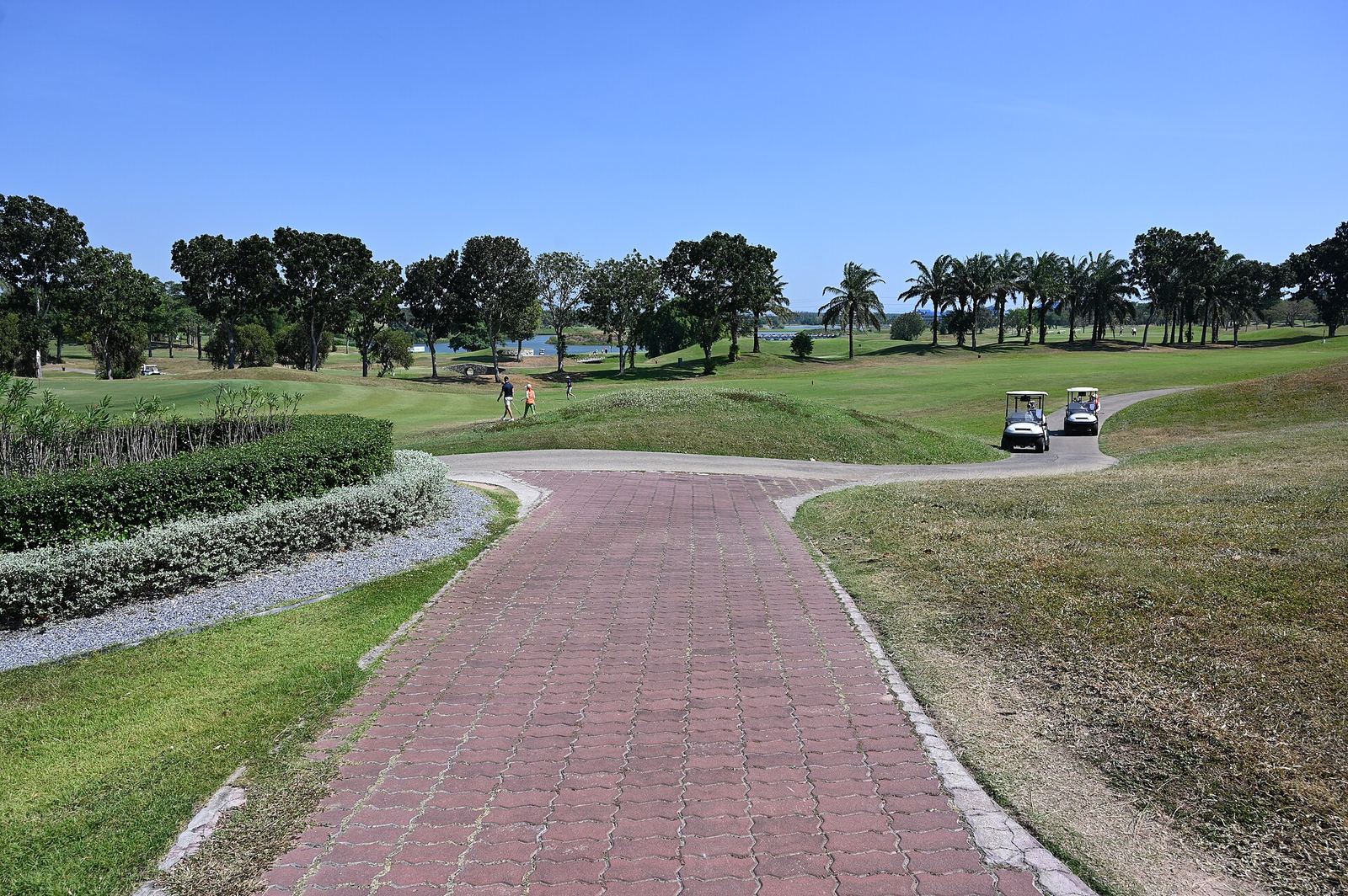
Look at the names that came out of one public course in Greenville. Betsy King. Beth Daniel. Dottie Pepper. Brad Faxon. Two LPGA Hall of Famers, a Solheim Cup captain, and one of the best putters the PGA Tour ever produced, all with ties to a university course that anyone can book. College golf programs talk about development pathways. Furman just points at the trophy case.
The course sits on the Furman University campus and serves as home ground for the Paladins golf teams, which explains part of the pipeline and not all of it. Plenty of schools have a home course. Few of them have a home course that a visiting golfer would cross a county to play on its own merits. That is the Furman trick, and it is why the course keeps showing up in conversations well above its price class, including a No. 16 spot in Golfweek's Best Campus Courses list back in 2015.
An old course that got its greens back
Richard Webel and Walter Cosby designed it, and it opened in 1955, which puts it in that postwar generation of American courses built long, straight, and honest, before target golf took over the drawing boards. Par 72, about 7,000 yards. Those are working numbers, not resort numbers. A college team needs a course that can stretch for a tournament and still play fairly for a Tuesday foursome of alumni, and 7,000 yards of parkland does both without theatrics.
The important date is 2008. Kris Spence renovated the course that year and rebuilt all 18 greens to USGA specifications with Champion UltraDwarf Bermudagrass. Greens are where campus courses usually die. The budget goes to the clubhouse, the range gets the new mats, and the putting surfaces limp along on whatever grass survived the last decade. Furman did the opposite. It spent the money underground and on the surfaces, and the result is a 1955 layout that putts like a course built last year. Anyone ranking college courses who skips the greens question is grading the brochure.
The alumni record deserves one more look, because it cuts both ways. King and Daniel are not just names on a list, they are two of the defining American players of their era, and Faxon's short game was studied by a generation of pros. A course does not produce that by accident, but it also does not produce it alone. Credit the program, credit the coaching, and then credit a layout with enough length and enough green interest to teach elite players something across four years of daily play. Flat, easy campus golf does not sharpen anybody.
The access argument
Here is the part that matters most for our rankings. Furman is public. Fully public, on a university campus in Greenville, bookable by the same golfers who will never see the inside of the private clubs that fill most state lists. In our Greenville ranking and in the full South Carolina ranking, we score the golf first, then the day, then what it costs you to get on. Furman wins the third category outright and holds its own in the first, which is how a campus course ends up keeping company it has no business keeping on paper.
The honest concession: it is a working college course, and it feels like one. Practice traffic, team schedules, the general hum of a university facility. Golfers hunting a hushed private club morning will not find it here, and the architecture, while sound, is not going to make a design pilgrim's itinerary the way a golden age restoration might. Webel and Cosby built a good, fair test. They did not build a museum piece.
That trade is easy to accept. What you get is championship length, genuinely modern greens, a Hall of Fame alumni wall, and a tee time you can actually have. Most courses ask you to admire them from outside the fence. Furman hands you a scorecard and lets you measure your game against the same ground that measured Betsy King's.