Course Comparisons / Kansas
Hallbrook Country Club vs. Ironhorse Golf Club: The Leawood Choice
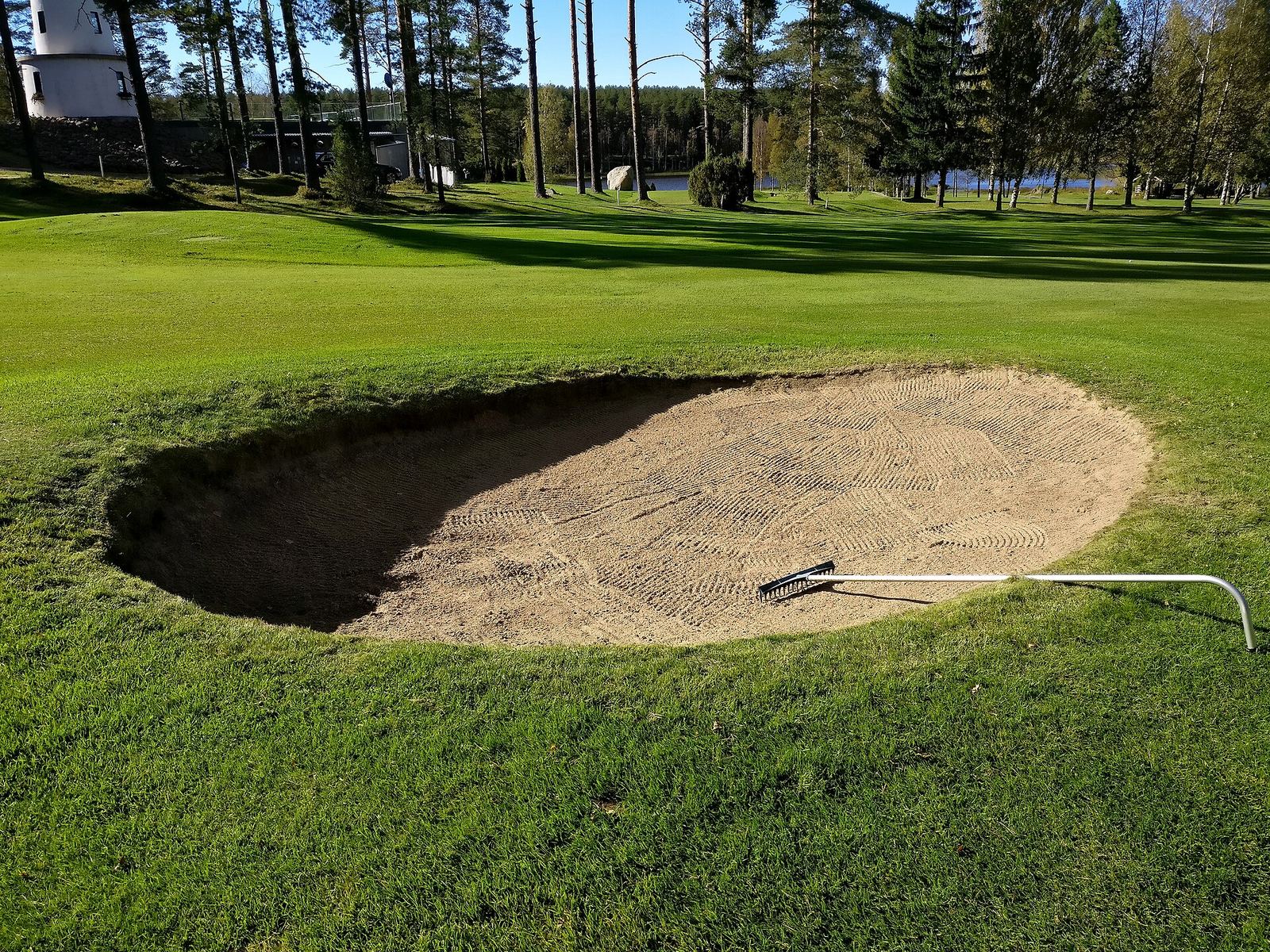
Leawood, Kansas has a clean golf argument, the kind most suburbs never produce. On one side, a private Tom Fazio course built on the Hallmark founder's family farm with the stated goal of hosting a U.S. Open. On the other, a city owned course named for an abandoned railroad that Golf Digest once called the best new affordable course in the United States. Private ambition against public value, same town, same creek trouble running through both.
Both courses figure in the full Kansas state ranking. Here the question is narrower and more useful: which Leawood round is better, and for whom?
Hallbrook Country Club: built to host an Open
The land came first. Joyce C. Hall, founder of Hallmark Cards, bought a 41 acre plot in 1927, part of the family farm the club now occupies. His son Donald J. Hall hired Tom Fazio to design a course with one goal stated up front: host a U.S. Open. When Hallbrook opened in 1988, it carried the second hardest USGA course rating in the country. Read that again. A brand new course in a Kansas suburb opened as, effectively, one of the two hardest rated courses in America.
The U.S. Open never came. What came instead was reality, delivered by members playing weekly golf on a course built for a championship that exists one week a year. Fazio Design has returned several times to soften Hallbrook for member play. That history is not a scandal. It is the most honest story in modern course design: build for the Open, then spend decades making it livable for the people who actually pay for it.
The golf that remains is still serious. Par 72, 6,862 yards, a 75.0 course rating and 151 slope, with a creek in play on roughly 70 percent of the holes. Golfweek ranks it the No. 3 private course in Kansas. The club is also spending $22 million renovating its clubhouse, practice facilities, and racquet sports, which tells you the institution behind the course is healthy and investing.
Concede the obvious. Hallbrook is private, and a goal that never arrived hangs over its founding story. Estimates at this level put initiation well into six figures, as an estimate, and without an invitation the whole argument is theoretical.
Ironhorse Golf Club: the public answer
Ironhorse is owned by the city of Leawood and managed by Troon, the only Troon managed facility in the Kansas City metro. Michael Hurdzan designed it, it opened in 1995, and Golf Digest promptly ranked it the No. 1 public course in Kansas. Golf Digest also named it among the best new courses of 1996 and the best new affordable course in the country. Affordable is doing heavy lifting in that sentence, and it is the right word for what Ironhorse was built to prove.
The name comes from an abandoned railroad that ran through the property. The golf is Hurdzan's: a twisting creek in play on 17 of 18 holes, which makes Hallbrook's creek on 70 percent look restrained, and 59 bunkers. Par 72, 6,889 yards from the back tees, rating 73.8, slope 140. It is a certified Audubon Cooperative Sanctuary, and GOLF Magazine put it among the top five courses you can play in Kansas in 2016. Slightly longer than Hallbrook, slightly softer on the card, and open to anyone who books a tee time.
Ironhorse's limit is the usual public one: traffic, pace, and conditioning that depends on a municipal operation having a good year. Troon's management is the counterweight, and it is a strong one. City owned and professionally managed is the model most public golf should copy.
The verdict
On architecture and difficulty, Hallbrook wins: a 151 slope, a Fazio design with a real backstory, and the No. 3 private ranking in the state. If you are invited, you go, and you do not hesitate.
For every golfer without that invitation, Ironhorse is not a consolation. It is one of the most decorated affordable courses in America, in the same town, with water on almost every hole and a slope of 140 to keep good players honest. Leawood's real distinction is having both. Most suburbs get neither.
Both courses sit inside the county we rank in full in our Johnson County ranking, where the rest of the Leawood and Overland Park bench gets its hearing.