Course Profiles / Nebraska
Lost Rail Golf Club: A Course Profile
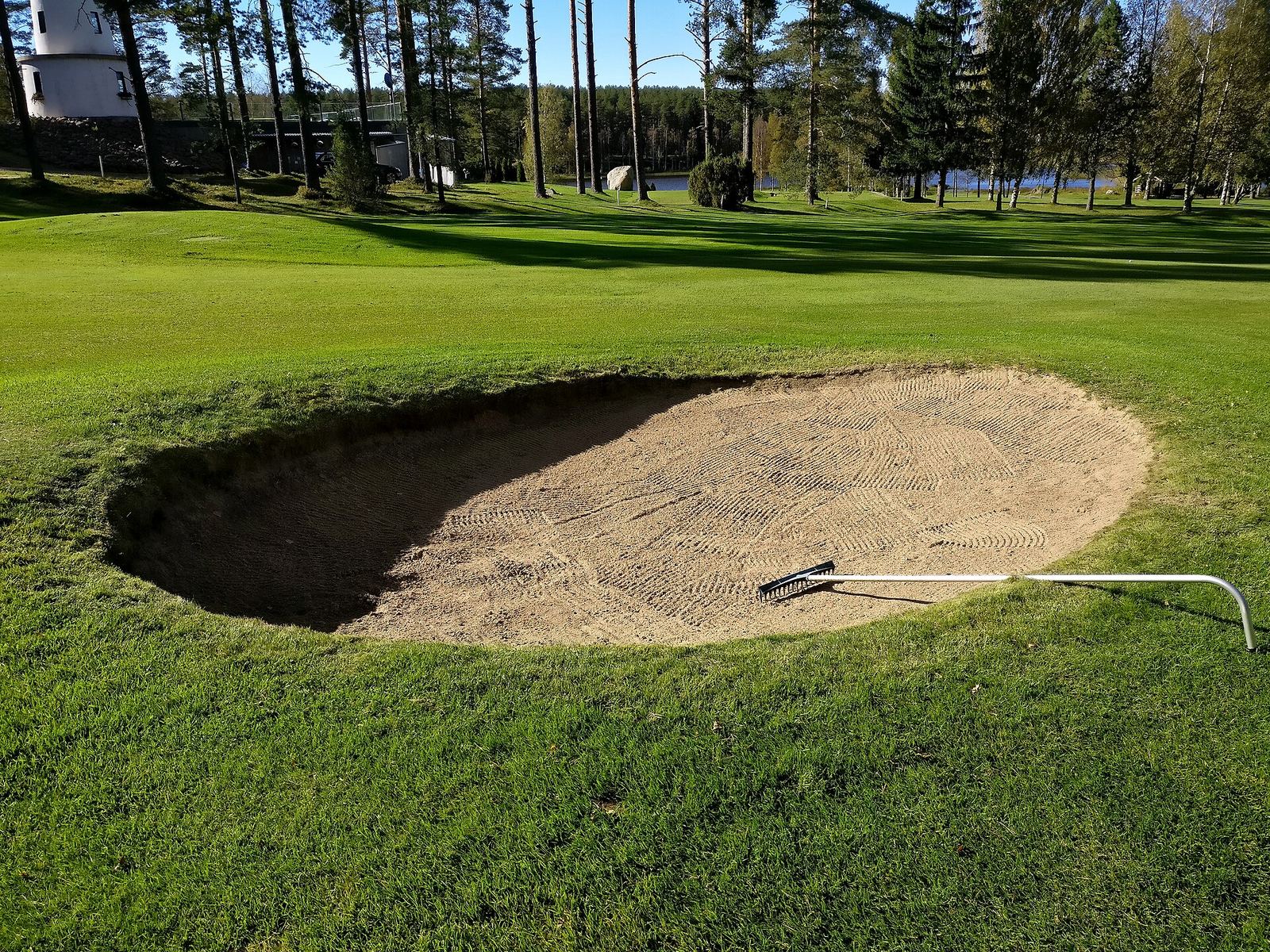
Most new private clubs open with a whisper campaign and a ranking argument that takes a decade to settle. Lost Rail opened in 2022 in Gretna, Nebraska, and the argument settled fast. GOLF Magazine ranked it No. 3 in Nebraska and No. 29 in its Heartland top 50. Golf Digest put it in its top 200 in 2025. Golf Inc. Magazine voted it among the world's top three new private clubs after opening. For a club on bluffs above the Platte River, in a state the national ranking conversation usually flies over, that is not a debut. That is an arrival.
The ground does the heavy lifting. The course sits on 155 acres of bluff land with 40 foot ravines cut through it and 20 mile views out over the river country. It plays about 7,200 yards at par 71, and the record is emphatic about what is not there. No homes. No roads crossing the course. One hundred fifty five acres of golf and topography, unbroken by the development frame that surrounds most modern private clubs. Scott Hoffmann designed it, and his best decision appears to have been trusting the ravines. Forty feet of elevation violence in Nebraska, a state outsiders insist on calling flat, is a routing asset you build a club around rather than soften.
The railroad in the ground
The name is literal. An abandoned 100 year old Burlington Northern railroad line, which once linked Omaha to Sioux City, runs through the property, and the design incorporates it on several holes. Nebraska golf has a quiet tradition of this, great courses built on land with a working past, and the rail line gives Lost Rail its memory. The line carried freight between two river cities for a century. Now it carries the eye across holes, a straight man made line against all that broken bluff ground. Golfers who know Sand Hills and its descendants will recognize the instinct. Use what the land and its history already put there. Invent nothing.
The bluff setting also changes the wind equation. Twenty mile views mean twenty miles of weather arriving visibly, and a course above a river valley plays in air that moves. At 7,200 yards, par 71, with ravines asking for carries, Lost Rail is not a gentle new club trading on scenery. The rankings from three different publications say the golf carries the setting, and we take that consensus seriously precisely because Nebraska has produced this trick before and the raters were not grading on a curve.
The setting also explains the format of the place. A golf only property, no homes and no roads crossing the routing, is a decision about what a membership is buying, and what it is buying at Lost Rail is separation. From the bluffs, the Platte River country does the work that clubhouses and landscaping budgets do elsewhere. Hoffmann had 155 acres, which is not a vast canvas by modern championship standards, and he still found 7,200 yards and par 71 without crowding, because the ravines create natural separation between holes that acreage usually has to buy. Vertical land is efficient land. A 40 foot ravine between two holes isolates them more completely than 200 flat yards would, and it is why the course can feel older and larger than its footprint and its 2022 birthdate say it should.
The honest limit
Lost Rail is private, and it is young, and those two facts frame the concession. A course that opened in 2022 has not yet been tested by time, by decades of member play, by the slow verdict of golfers who have seen every condition it can present. Our Nebraska state ranking places it near the top on the strength of the ground and the early record, but the courses above and around it earned their spots over generations. Lost Rail is earning its in public, fast.
Still. A hundred year old rail line, ravines forty feet deep, the Platte below, and no rooftop in sight. Nebraska keeps producing the same lesson for anyone willing to drive out and learn it. The best golf land in America is not always where the flights are cheap. Sometimes it is on a bluff in Gretna, where the trains stopped running and the golf started.