Course Profiles / New York
Montauk Downs State Park Golf Course: A Course Profile
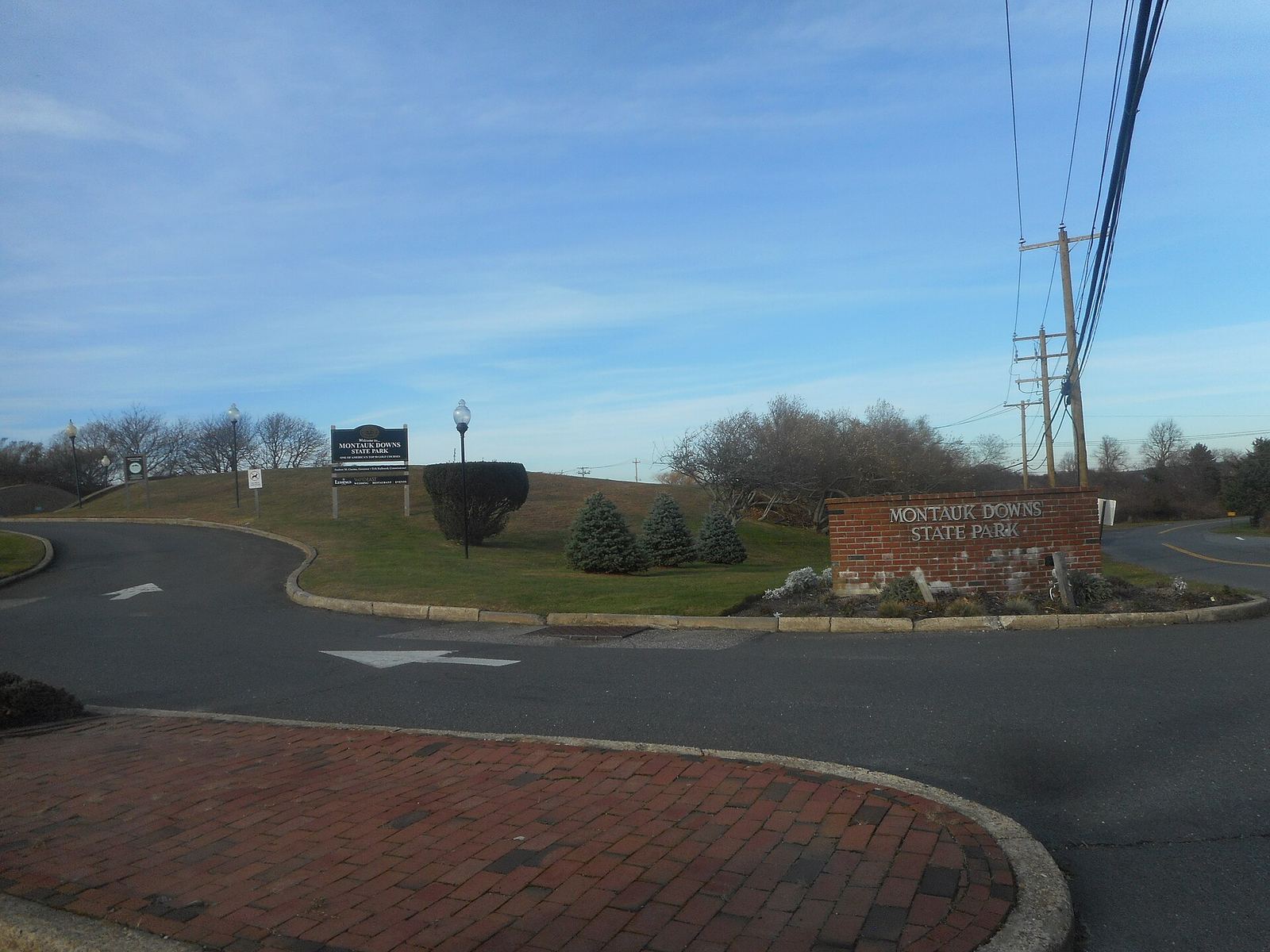
Drive 120 miles east of New York City, until the island runs out, and the last serious golf you meet is a state park course. Montauk Downs sits at the tip of Long Island, where wind off the ocean changes play daily, and that last phrase is not a brochure line. It is the course's identity. The same hole is a different hole at 8 in the morning and at 3 in the afternoon, and the golfer who plays Montauk once has not played Montauk. He has played one of its moods.
Golfweek ranked it No. 6 on its 2026 list of the best courses you can play in New York. In a state with New York's depth of public golf, a top six you can play finish for a state park layout is a loud result. New York residents could play it for under 50 dollars, per Golf Digest. Hold those two facts together. A nationally ranked public course, at the end of Long Island, for the price of a decent lunch in the city it sits 120 miles from. That is the whole case, and it is a strong one.
Two Joneses, forty years apart in one routing
Golf was played at Montauk for at least 40 years before the modern course took shape. In 1968, Robert Trent Jones Sr. and Rees Jones redesigned the layout, father and son in the same routing, which makes Montauk Downs a small museum of the family's ideas about how a public championship course should ask its questions. Then, in 2008, Rees Jones returned to restore bunkers and tees on the par 3 holes. That return visit matters. Architects who redesign a course and come back four decades later to tend the short holes are making a claim about what the course is. The par 3s, into and across that ocean wind, are where Montauk Downs tells the truth about a golfer's ball striking.
Our Montauk town ranking deals with a town where the glamorous golf conversation belongs to private clubs most golfers will never see. The Downs is the counterweight. State park access, public tee times, and a routing with a real design lineage, sitting in the same wind as the famous neighbors.
The state park setting deserves its own paragraph, because it changes the social contract of the round. This is golf as public land, in the same park system as the beaches and the trails, and the Downs carries itself that way. The Jones redesign gave it championship bones, a 1968 statement that a public course at the end of the island deserved the same architectural seriousness as the private clubs in the Hamptons corridor behind it. But the mission stayed democratic. The right word for how regulars feel about it is ownership. New Yorkers regard this course the way they regard a good public library branch, as theirs, and the under 50 dollar resident figure is the policy expression of that feeling. Courses ranked above it on the you can play list mostly cost multiples of that figure. The gap between its Golfweek position and its price is the widest in the state, and it is not close.
The concession at the end of the island
The limits are geography and demand. One hundred twenty miles is a commitment, and a course this good at this price draws the crowds that commitment implies. Pace and availability are the tax. Conditioning at a heavily played state facility will also never match the private end of the Montauk market, and pretending otherwise helps nobody.
But value is part of our scoring, and on value this course is close to untouchable in the New York state ranking. A top six public ranking, a two generation Jones pedigree, wind that rewrites the course daily, and a resident rate under 50 dollars. At the very end of Long Island, where the land gives up and the Atlantic takes over, the people's course is the one still standing in the breeze.