Course Comparisons / South Carolina
Palmetto Hall Golf Club Arthur Hills Course vs. Palmetto Hall Golf Club Robert Cupp Course: The Hilton Head Island Choice
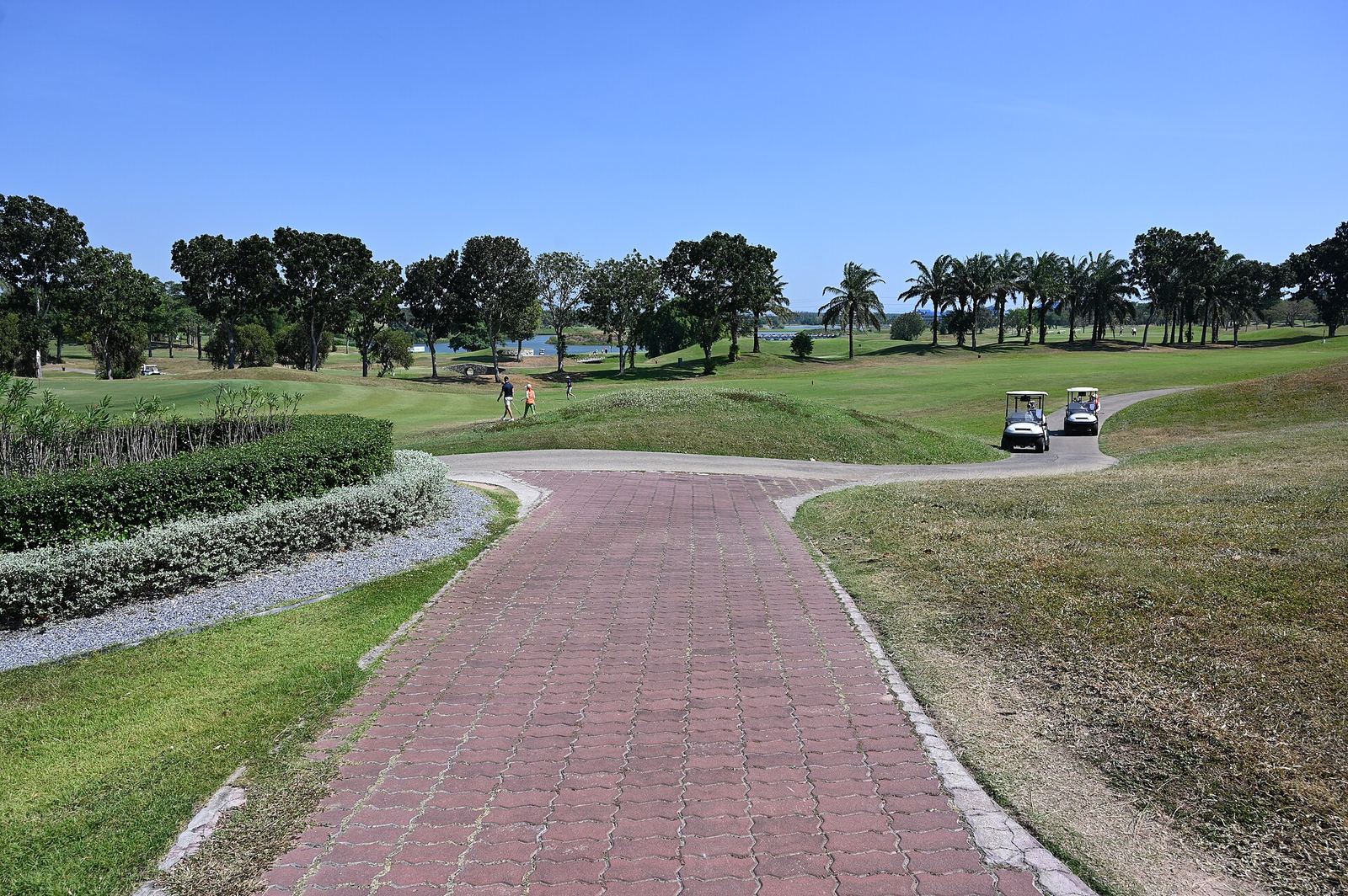
Same club, same island, same parking lot, two completely different bets about what makes golf hard. Palmetto Hall gives Hilton Head visitors a rare clean comparison, because so much is held constant. Both courses are semi-private with public tee times available. Both are par 72. The Arthur Hills Course, opened in 1991, plays 6,918 yards. The Robert Cupp Course, opened in 1993 as Cupp's flagship, plays 7,079 yards. Two years apart, 161 yards apart, and yet nobody who has played both would call them siblings. They argue with each other, which makes the choice easy to make well if you are honest about your game.
Start with the histories, because they frame the golf. The Hills Course was named to Golf Digest's list of America's Top 10 New Courses in 1991, no small thing in an era when new course building was booming. It was built on the site of an old Civil War garrison, which gives the property a past most resort courses cannot claim. Heritage Golf Group bought Palmetto Hall in 2022, and the Hills Course debuted renovated greens and new Better Billy bunkers in October 2024. That recent work matters in a head to head. Greens and bunkers are where a 1991 course shows its age first, and Palmetto Hall addressed both on the Hills side.
The Cupp Course arrived with a louder claim. At opening it carried the highest slope rating in South Carolina, 152 from the back tees, before the Ocean Course at Kiawah passed it. It still plays to a 75.2 course rating and a 149 slope. Cupp designed it on a computer, and the course is known for geometrically shaped hazards and bullnose bunkers. That origin story is either thrilling or a warning, depending on the golfer. Computer-drawn geometry produces shapes that nature would not, angles and bunker forms that look deliberate because they are, drawn rather than found.
The golf, compared honestly
On the golf first, which is how we score these, the Cupp Course is the harder examination and it is not particularly close. A 75.2 rating at 7,079 yards with a 149 slope means strong players get tested and average players get punished, especially around those geometric hazards, which tend to collect balls hit on lines that would be safe on a more naturalistic course. If you want to know where your game stands on Hilton Head, Cupp will tell you, in writing, by the turn.
The Hills Course is the better day for most golfers, and that is not a dismissal. Arthur Hills builds courses that challenge through placement and green contour rather than through raw penalty, and 6,918 yards is plenty of golf on an island where wind and humidity do quiet work on a scorecard. The renovated greens and bunkers sharpen that test for current play. In our Hilton Head Island ranking and in the South Carolina state ranking, the Hills tends to be the recommendation we make to mixed groups, because a mixed group is what most Hilton Head trips actually are.
The concession belongs to Hills, though, and Cupp's defenders should make it forcefully. If you are a low handicapper who travels for difficult golf, the Hills Course may leave you underfed. It was a top 10 new course in 1991, but it was never trying to be the hardest course in South Carolina. Cupp was. There is a real pleasure in a course that refuses to apologize for its slope, and resort golf could use more of it. Too many island courses protect the visitor's ego. Cupp protects nothing.
Access and value are a tie, which is the useful part. Semi-private, public tee times, same club, same town in Beaufort County. You are not choosing between a gate and an open door, or between two price worlds. You are choosing a philosophy, and you can play the other one tomorrow, which regular visitors should do at least once. Playing them back to back is the best design seminar on the island for the price of two green fees, one course drawn by hand and eye in the older manner, one drawn on a computer at the start of golf's digital design era.
Verdict: the Cupp Course wins for the serious player and for anyone who wants the sterner, stranger test, and it wins this comparison on pure difficulty and distinctiveness. Pick the Hills Course anyway if your group spans handicaps, if you are playing on a travel day, or if you simply want the renovated greens and the more graceful round. The mistake is not choosing either one. The mistake is playing only one and assuming you know Palmetto Hall.