Course Profiles / Arizona
Phoenix Country Club: A Course Profile
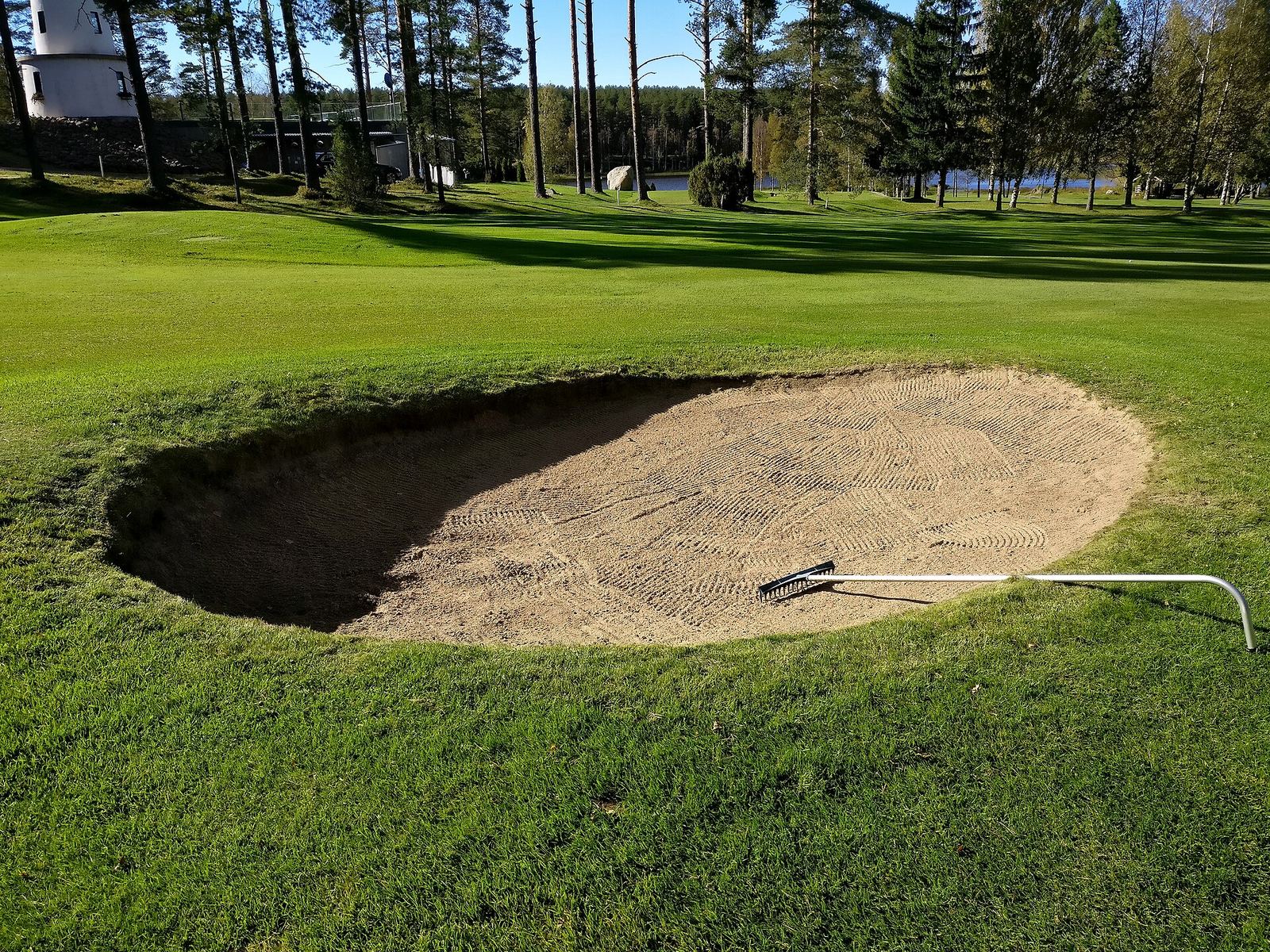
The club existed before the state did. Phoenix Country Club was founded in 1899, thirteen years before Arizona statehood in 1912, and its golf course sits in downtown Phoenix at Thomas Road and 7th Street, a location that reads today like a clerical error. A private parkland course, in the middle of a desert city's grid, on land that any sane developer would have paved decades ago. Harry Collis designed the 18 holes that opened in 1921, and here is the detail that separates this club from nearly every peer in America: the routing remains unchanged. A century of golf architecture fashion has passed over this property, and the map Collis drew is still the map.
The tournament history is not decoration. The club hosted the Phoenix Open from 1932 to 1986, over half a century of the tournament before it moved to TPC Scottsdale and became a stadium spectacle. The champions list from this address includes Arnold Palmer, Jack Nicklaus, Ben Hogan and Johnny Miller, which means the short list of the game's defining players all won on these fairways, on a course under 6,900 yards. Today the club hosts the Charles Schwab Cup Championship, the PGA Tour Champions season finale for the top 36 players. The through line is obvious once you see it: this has always been a shotmaker's venue, first for the best players alive, now for the best players over fifty.
Consider what the club gave up in 1986 and what it kept. The Phoenix Open left for TPC Scottsdale and grew into the loudest week in golf, a stadium party that happens to contain a tournament. Phoenix Country Club could not have hosted that version of the event on this footprint, and did not try. What it kept was the thing the stadium cannot sell: a course where Hogan and Palmer won with the same skills the members use on Saturday, small greens and position over power. The Schwab Cup finale fits the property the way the old Phoenix Open did, a field of legendary ball-strikers on a course that rewards exactly that. Some clubs lose their tournament and lose their identity with it. This one traded the circus and kept the golf.
Small greens, old questions
Par 71, a shade under 6,900 yards. By modern scorecard logic the course should be defenseless, and it is not, because the defense was never length. The greens are small and old school, with fall-off edges, so the penalty for a loose iron is not a bunker but a downhill chip from short grass with no room to land the ball. Tom Lehman and John Fought redesigned the course in 2002, and the smartest thing about their work is what they preserved: the elevated greens and the strategic bunkering, the features that make a short course play honest. Too many redesigns of classic parkland courses chase yardage the property does not have. This one accepted the course's actual identity.
Weigh it against the desert target golf that defines the Valley in most golfers' minds, the courses we rank in our Phoenix ranking and across the full Arizona state ranking. Phoenix Country Club is the rebuttal to the idea that Arizona golf means cactus and forced carries. This is parkland: grass, trees, small greens, and a routing older than the state fair. It asks the questions golf asked in 1921, and it turns out those questions still sort players out.
One more detail tells you what membership means here. There are no tee times. Play is first come, first served for members, a policy that only works at a club where the membership is small enough and the culture old enough that nobody games it. The concession, plainly: almost nobody reading this will play it. It is private, downtown, and content to stay that way. But a rankings site that only covers courses you can book is a travel guide. Phoenix Country Club matters because it kept the 1921 routing, the small greens, and the tournament thread from Hogan to the Schwab Cup finale intact on land the city grew up around. The desert can have the stadium. This is the club that was here first.