Course Comparisons / Arizona
Phoenix Country Club vs. Papago Golf Club: The Phoenix Choice
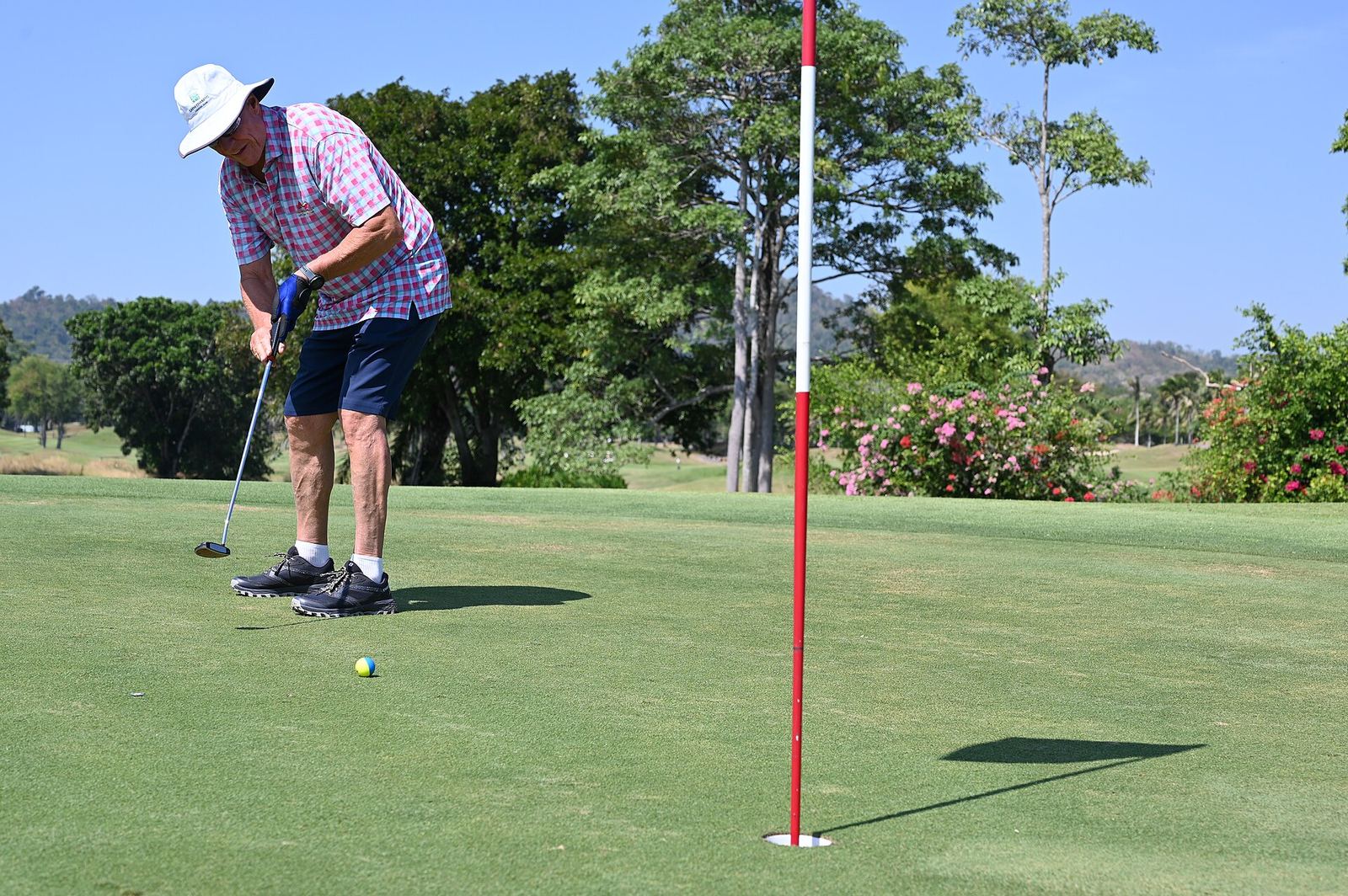
For 54 years, the Phoenix Open belonged to a private club in the middle of the city. From 1932 to 1986 the tournament was played at Phoenix Country Club, and its champions there included Arnold Palmer, Jack Nicklaus, Ben Hogan, and Johnny Miller, which is not a bad century of golf compressed into one sentence. The tournament left for TPC Scottsdale and became a stadium spectacle. Phoenix Country Club stayed where it has always been, at Thomas Road and 7th Street, private, quiet, and now the host of the Charles Schwab Cup Championship instead. Fifteen minutes away, in Papago Park at the base of the red buttes, sits the course that inherited the city's public golf crown: Papago, a 1963 municipal by William Francis Bell, long considered the finest municipal course in Arizona. That is the Phoenix choice. The club that kept the champions, or the muni that kept the city. Both halves of it are ranked in our Phoenix course ranking.
Phoenix Country Club: the old room
The club was founded in 1899, before Arizona was a state. Harry Collis designed the 18 hole course that opened in 1921, and the routing remains unchanged, a fact that should stop any golfer mid-scroll. A century of golf architecture fashion, of lengthening and softening and rebranding, and the bones at Phoenix Country Club are still Collis's bones. Tom Lehman and John Fought redesigned the course in 2002, but they worked inside the routing, preserving the elevated greens and strategic bunkering, and the result is the rarest thing in desert golf: a parkland course with small, old school greens that fall off at the edges, playing par 71 at a shade under 6,900 yards in downtown Phoenix.
The Schwab Cup Championship, the PGA Tour Champions season finale for its top 36 players, is the right modern tenant for it. Senior tour golf on a short, tricky, century old parkland course is a contest of positioning rather than power, which is what the course was built to reward. The club culture matches the architecture: private, and run without tee times, with members playing first come, first served. If you need a symbol for how far this place sits from the stadium golf across town, that is it.
Papago: the people's championship course
Papago's record is a municipal course's record, and it is extraordinary by that standard. Designed by William Francis Bell, Billy Bell's son, and opened in 1963, it hosted the 1971 U.S. Amateur Public Links Championship, the national championship for public golfers, on city owned ground. It plays par 72 at up to about 7,333 yards with four sets of tees, a full championship length that most munis never approach. The City of Phoenix put a $5.9 million renovation into it in 2008. Since 2018 it has been the home course for Arizona State University's men's and women's golf teams, which means a city course now carries a major college program's name and standards. The NGCOA's Arizona chapter named it the 2020 Arizona Golf Course of the Year. And the setting beats the private club's, honestly assessed: Papago Park and the buttes give Papago a sense of place that a downtown parkland, however fine, cannot match. The desert is in the room at Papago. At Phoenix Country Club, by design, it is kept outside.
Arizona's wider argument is in the Arizona state ranking, where Papago's presence among resort and private heavyweights is itself the story.
The verdict
As architecture, Phoenix Country Club wins. An unchanged 1921 routing, small fall away greens, a Hogan and Palmer and Nicklaus champions list, and a current tour finale played on its terms: that is a heavier golf pedigree than even Papago's can carry. If a member invites you, you go, and you study the greens.
But the Phoenix choice, for the Phoenix golfer, goes the other way, and this publication will defend it. Papago is nearly as serious a test, 400 yards longer, set in the better landscape, open to anyone, and cheap in the way city golf is supposed to be cheap relative to the private game. Phoenix Country Club is the finer course behind a gate. Papago is the finest municipal in the state, in a park, under the buttes, with a Public Links in its past and a college program in its present. Take the invitation when it comes. The rest of the year, you know where the city's golf actually lives.