Course Profiles / Kansas
Prairie Dunes Country Club: A Course Profile
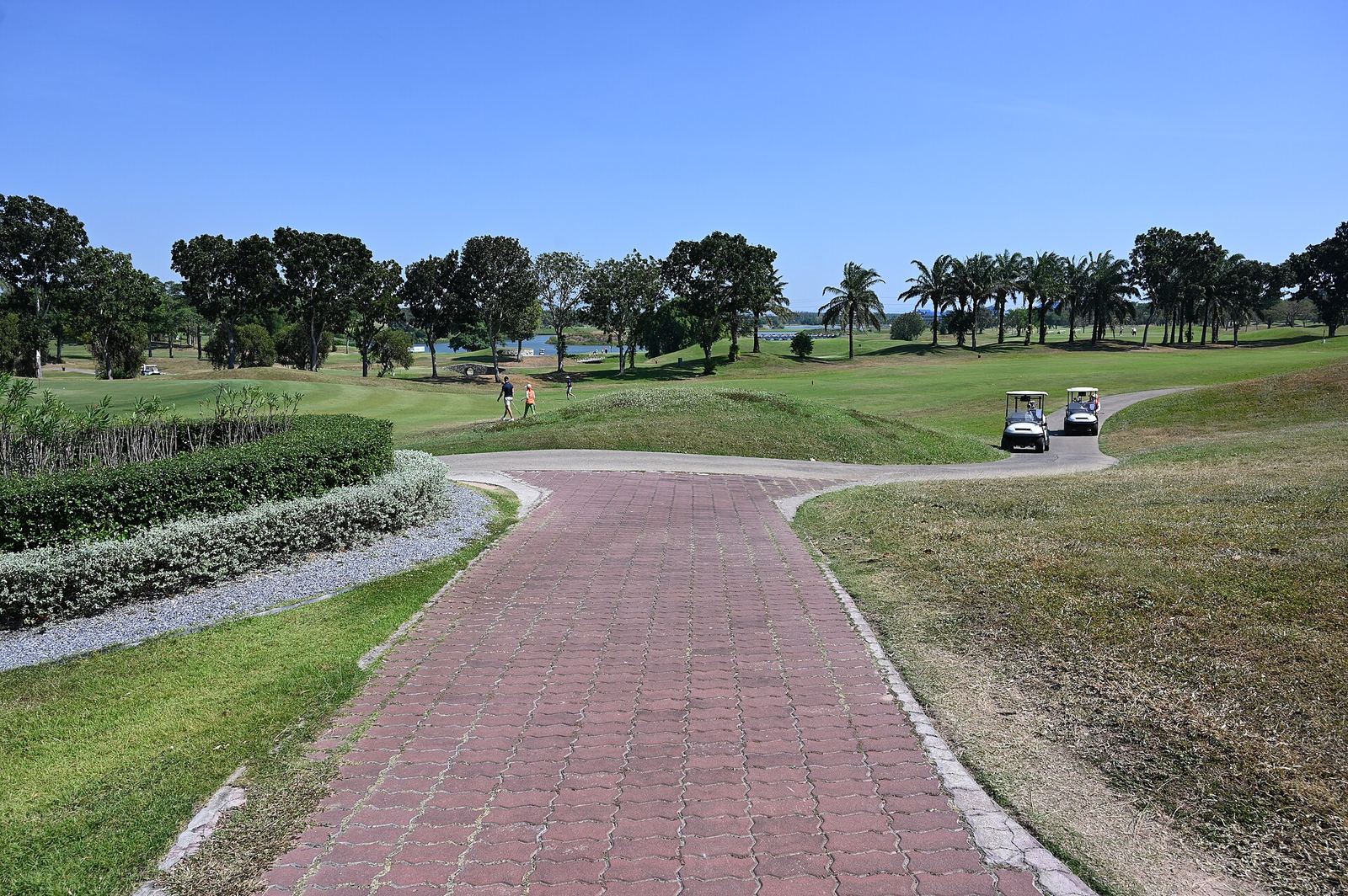
Perry Maxwell stood on 480 acres of Kansas sandhills and said there were 118 good golf holes out there. He only had to eliminate 100 of them. That sentence explains Prairie Dunes better than any ranking ever has. The course was not imposed on the land outside Hutchinson. It was found in it, dune by dune, and what Maxwell left behind in 1937 still embarrasses architects who get flatter ground and bigger budgets.
The founding story is pure Kansas. Salt magnate Emerson Carey and his four sons started the club in the mid 1930s, built in part with Works Progress Administration funding in the depths of the Depression. Maxwell's first nine opened on September 13, 1937. Twenty years later his son Press Maxwell added the second nine, in 1957, and the remarkable thing is how hard it is to tell where the father stops and the son starts. The routing breathes the same way on both sides. Wind is the constant hazard. The dunes do the shaping that other architects pay earthmoving crews to fake.
What the golf asks
Prairie Dunes plays par 70 at 6,947 yards, with a 75.5 rating and a 148 slope, and those numbers undersell it. Length is not the test here. Position is. The sandhills ground moves in every direction, fairways tilt and narrow where the dunes pinch in, and a drive that looks safe from the tee can leave a stance and an angle that make the next shot a guess. Maxwell was famous for his contoured greens, the so-called Maxwell rolls, and at Prairie Dunes the putting surfaces sit naturally into the folds of the land, so the approach shot has to be judged for where the ball will finish, not just where it lands.
The wind deserves its own paragraph because it is effectively a third architect. On the open prairie there is nothing to stop it, and a calm morning round and a blustery afternoon round are two different golf courses wearing the same scorecard. Good players who have been there talk about the course the way sailors talk about a stretch of water. Respectfully, and with stories.
The championship record backs the reputation. The 2002 U.S. Women's Open went to Juli Inkster here. The 2006 U.S. Senior Open produced one of the great near misses in Kansas golf, Allen Doyle beating Kansas native Tom Watson on Watson's home turf. Add the 1986 Curtis Cup, three U.S. Women's Amateurs, and the 2014 NCAA Division I Men's Championship, and you have a small club in Reno County that the USGA keeps trusting with its biggest weeks. The USGA has already awarded it a future U.S. Senior Open in 2029 and a U.S. Women's Open in 2032, which tells you the relationship is not nostalgia. It is ongoing.
The rankings agree. GOLF Magazine put Prairie Dunes at No. 27 in its Top 100 Courses in the World for 2025-26, and Golf Digest had it No. 23 in America's 100 Greatest for 2023-24. For a private club in Hutchinson, Kansas, those are absurd numbers, and they are earned. We place it at the top of our Hutchinson ranking and near the top of the Kansas state ranking for the same reason the national panels do. The golf itself is the argument.
The honest concession
Prairie Dunes is private, and access is the obvious cost. There is no public tee time, no resort package, no easy workaround. Estimates put initiation well into six figures, and they are only estimates, because the club does not publish its numbers. If your standard for a great course includes being able to play it, Prairie Dunes will frustrate you, and that frustration is legitimate.
The other knock you hear is that par 70 at under 7,000 yards cannot hold modern championship golf. The 2006 Senior Open answered that, and the USGA's decision to come back twice more answers it again. The wind and the greens do the defending that yardage does elsewhere.
Who suits it? The golfer who likes to flight the ball, who enjoys a shot that has to be invented rather than executed from a yardage book. Who it frustrates: the player who wants every hazard visible from the tee and every green flat enough to read at a glance. Prairie Dunes hides nothing maliciously, but it explains very little.
Maxwell eliminated 100 holes to leave these 18 standing in the Hutchinson sand. Ninety years on, nobody has found the 101st that should have replaced one of them.