Course Profiles / Florida
Shingle Creek Golf Club: A Course Profile
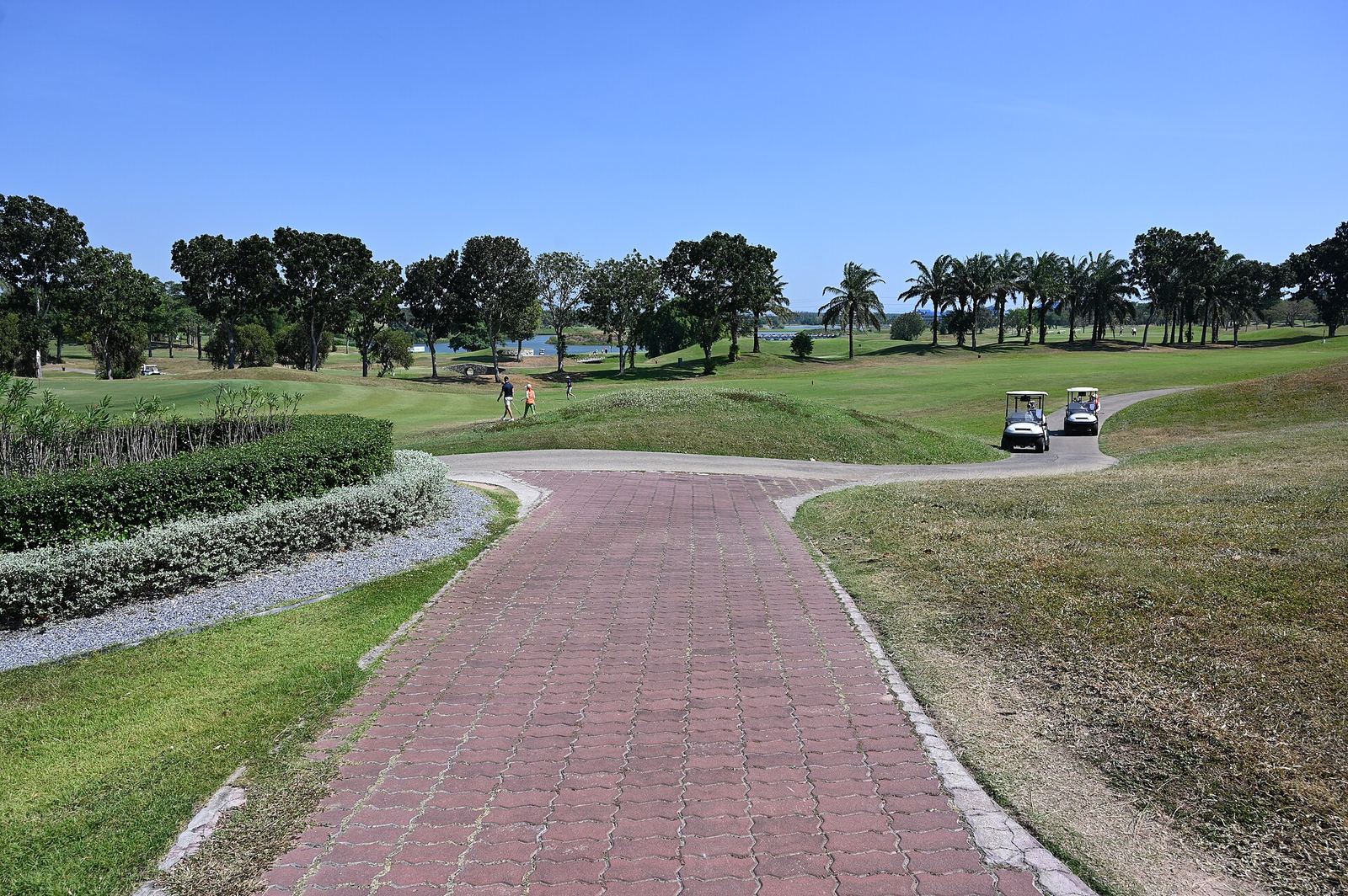
Water is in play on 15 of 18 holes at Shingle Creek, along the headwaters of the Everglades, in the middle of Orlando's convention corridor. That sentence describes about forty Florida courses. What separates this one is what Arnold Palmer's company did to it in 2016, when Thad Layton of Arnold Palmer Design redesigned the course and built three entirely new holes. The redesign gave a flat, water heavy parkland course a set of decisions to make, and Palmer style risk and reward par 5s to make them on.
Shingle Creek opened in 2003 at Rosen Shingle Creek, designed originally by David Harman. It plays par 72 at 7,213 yards from the black tees, resort golf with public access, hosting collegiate and charity events on the convention corridor. None of that distinguishes it on paper. Orlando is full of long resort courses with big greens near big hotels. The case for Shingle Creek has to be made on the ground, hole by hole, which is the only honest way to make it.
What the Palmer redesign changed
Palmer golf, at its best, asks a friendly question with a mean answer. The large greens here invite you to fire at pins. The water on 15 holes punishes you for firing at the wrong ones. The par 5s after the redesign carry the clearest version of the idea: a genuine choice on the second shot, lay back for a full wedge or take on a carry that shortens the hole and brings the hazard fully into play. Pre redesign Shingle Creek was a resort course you played because you were staying there. Post redesign it is a course worth a morning of a trip on its own merits, which is why it appears in the best golf courses in Orlando and holds a place in discussions of the 5 best golf courses in Florida public access golf.
The calendar tells its own story about the redesign's credibility. Shingle Creek hosts collegiate and charity events on the convention corridor, the kind of repeat business a course only keeps if tournament organizers trust its conditioning and its test. A collegiate field does not come back to a layout that bores good players, and the par 5s in particular give low handicappers something to chew on while the large greens keep a charity scramble moving. Holding both audiences at once is the resort game's whole trick, and it is where the Palmer work shows most clearly: the same hole reads as an opportunity to a college player and as a fair, water guarded challenge to a 20 handicap on a corporate outing.
The concession: flat is flat. Palmer's team could add strategy, new holes, and better questions, but they could not add elevation to Orlando parkland, and golfers who want terrain will not find it here. The day also runs on resort rhythms, outings and events on the calendar, a pace set by groups. If your Orlando golf ideal is a quiet walk on heaving ground, this is not your course and pretending otherwise helps nobody.
Who it suits is clearer. The strong player gets 7,213 yards and par 5s that reward nerve. The resort golfer gets a course that forgives a loose swing everywhere except exactly where it should not, around water and at tucked pins. That balance is harder to build than it looks, and it is the reason Shingle Creek outlasted its first design.
Orlando hands a visitor dozens of interchangeable rounds. This one, since 2016, is not interchangeable. The water was always there. Now the questions are too.