Course Profiles / Arkansas
Texarkana Country Club: A Course Profile
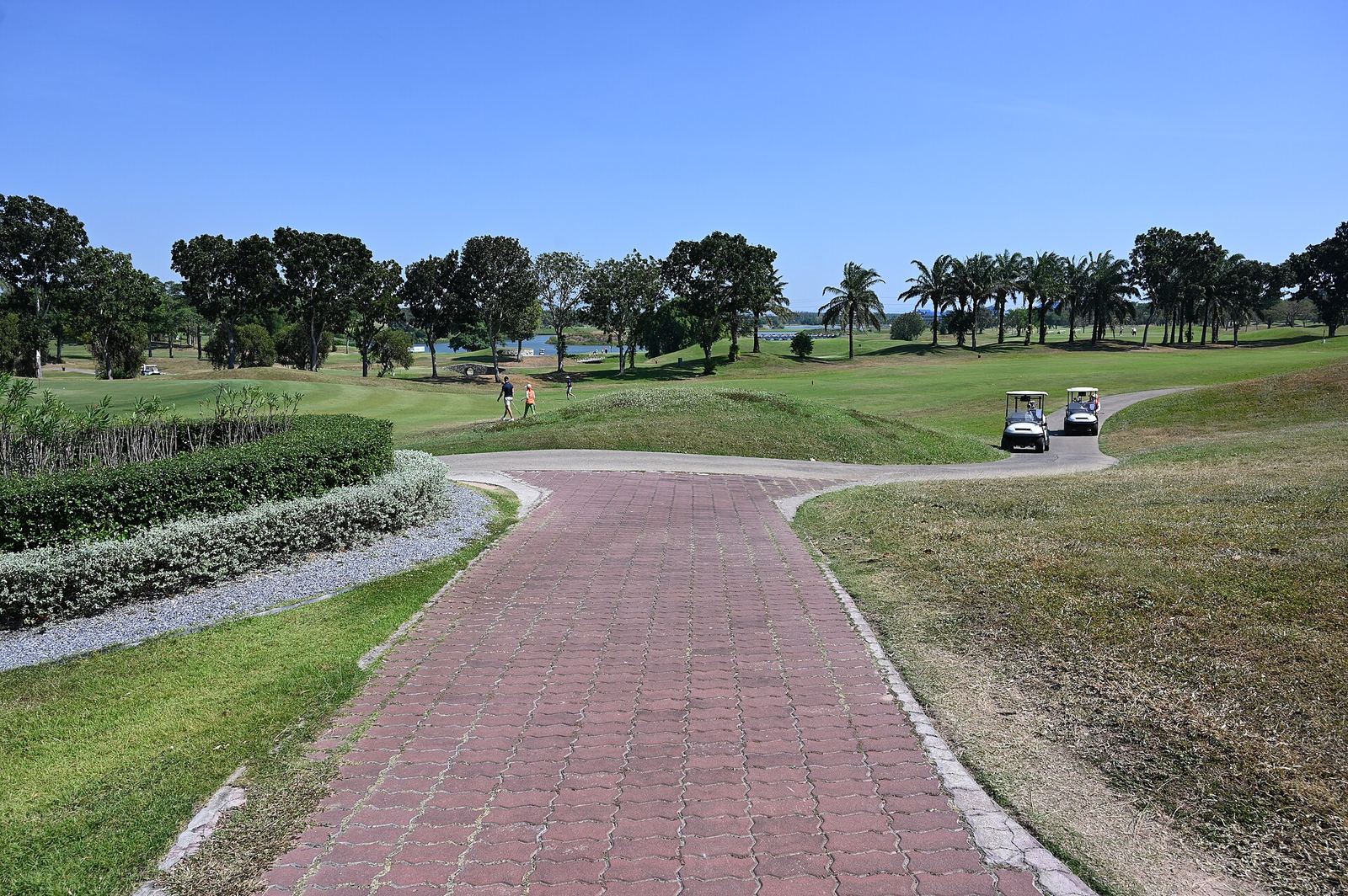
Byron Nelson called it "little Augusta." He was not a man given to loose praise, and he said it about a private club in Texarkana, on the Arkansas side of a town that cannot decide which state it belongs to. Nelson served as club professional here in 1934, before the Byron Nelson era really began, and the name he gave the place has followed Texarkana Country Club ever since. GOLF Magazine's panel ranks it No. 3 in Arkansas. The nickname explains why better than the ranking does.
The club began in 1914 with a nine-hole course and sand greens, the standard equipment of small-city golf in that decade. What turned it into something more arrived in 1922, when the Chicago firm of Langford and Moreau built the current course. William Langford and Theodore Moreau were not gentle designers. Their work is known for deep bunkers and sloping greens, for earthworks with a scale that can look almost industrial until you play into them and realize the scale is the strategy. Texarkana, in Miller County, got the real thing: a Langford and Moreau course in a town most national panels could not find on a map.
The All-American Hole
Every old club has one hole it will not shut up about. Texarkana's is the 14th, once considered one of the top eighteen holes in the country and known as the All-American Hole. Reputations like that do not survive a century of member golf unless the hole keeps earning them in medal play, week after week, against players who know exactly where the trouble sits. A famous par from the Langford and Moreau era, defended by the firm's deep bunkering and a sloping green, asks the question their courses always ask: how brave is your long iron, really?
The rest of the test is modern enough. After a renovation in the spring of 2000, the course measures 6,935 yards from the championship tees, and the club's competitive record runs deeper than the nickname. Texarkana hosted six Ben Hogan and Nike Tour events, the developmental tours of their day, which means tour-level fields walked these fairways and the course held its scoring line. That is the difference between a pleasant old club and a championship venue with a private gate. In the Arkansas state ranking, Texarkana's position rests on exactly that combination: Golden Age bones, a tour-tested record, and a name given by the greatest winner the game produced in his generation.
Access, and the honest limits
It is private. That is the whole access story, and in Texarkana it cuts both ways. The club sits on the state line, in the birthplace area of Byron Nelson era Texas and Arkansas golf, and its membership world is the twin-city business class of two states at once. If you get the invitation, take it without checking your calendar first. If you do not, there is no public tee time, no resort package, no way in except knowing somebody.
The concession: Langford and Moreau built across the Midwest and the South, and purists will tell you their most celebrated work sits elsewhere, on bigger land with bigger budgets. Texarkana is not their grandest canvas. At 6,935 yards it also plays a full generation behind the modern championship standard, even if member golf at that length is arguably better golf.
But scale was never the claim. The claim is that a small club on a state line hired a serious firm in 1922, kept their work intact enough to host tour events eight decades later, and employed a young Byron Nelson along the way. Little Augusta. He had played a few courses by then. He knew what he was looking at.