Town Rankings / Michigan
The Best Golf Courses in Bloomfield Hills
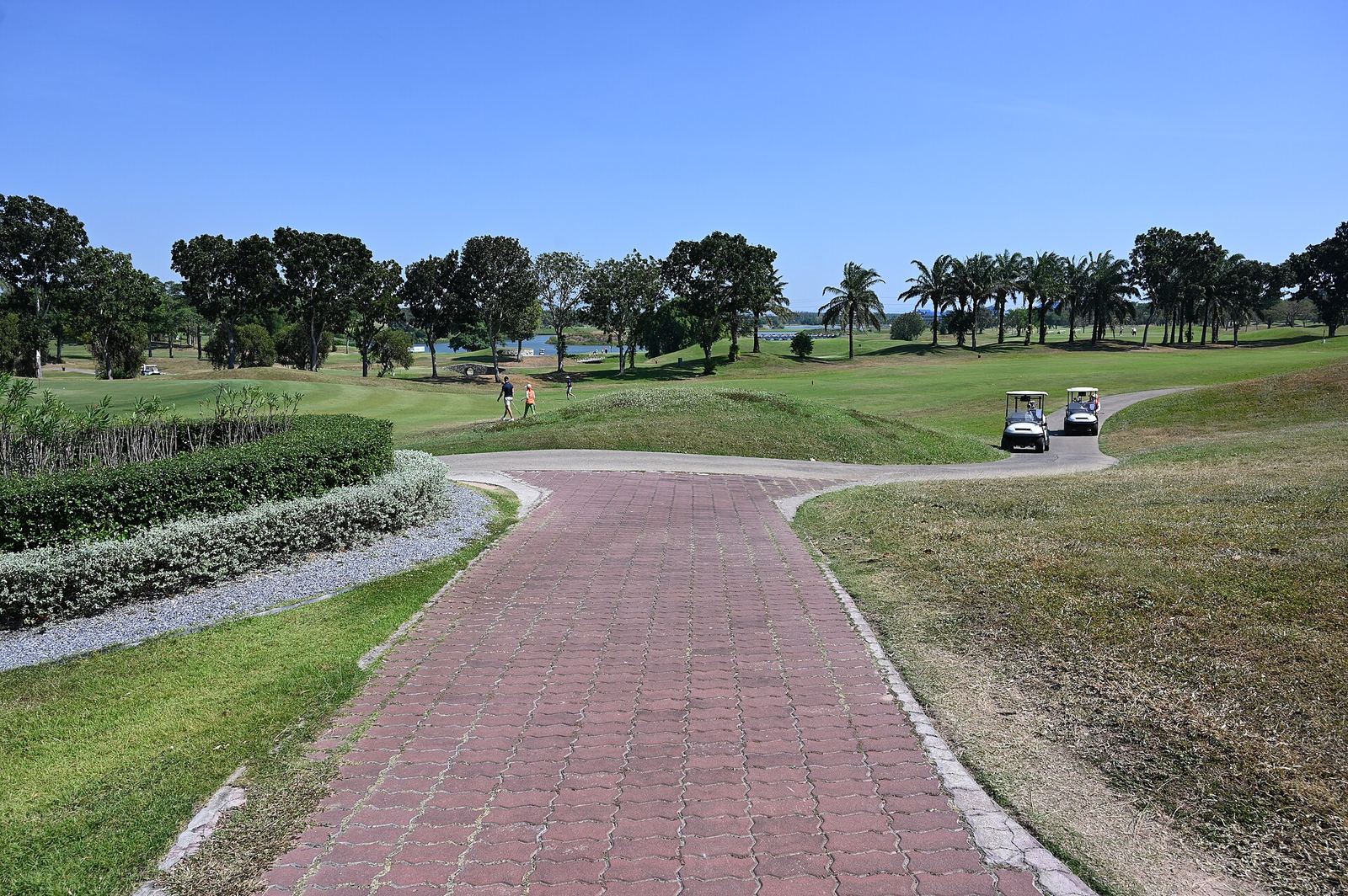
Bloomfield Hills is a suburb that happens to contain one of the meanest, most decorated golf courses in America. Oakland Hills sits behind its gates on Maple Road like it has always been there and always will be, and the rest of this wealthy corner of Oakland County arranges itself, golf wise, in its shadow. There are only three courses on this list. There is really only one argument, and it is about how far behind the leader the other two sit.
Access is the honest caveat up front. Everything ranked here is private. This is a ranking of golf, not of tee times you can book tonight, and if that frustrates you, Bloomfield Hills will frustrate you in person too. What the town has, it keeps.
1Oakland Hills South Course
The South Course is called the Monster, a nickname it earned honestly across six U.S. Opens and a Ryder Cup. Donald Ross laid out the bones, championship golf kept adding scar tissue for a century, and in 2021 Andrew Green restored Ross's intent, clearing away decades of accretion and giving the course back its width, its angles, and its teeth in the right places. That sequence matters. Plenty of famous courses are museums. The restored South plays like an argument Ross started and modern length finally forced everyone to hear properly.
The greens are the examination. They are big, tilted, and defended less by bunkers than by the simple problem of where your ball stops. A fairway hit in the wrong section is a defensive second shot. A pin tucked behind a ridge turns pars into negotiations. Championship history can prop up a reputation long after the golf has gone soft. Here the golf carries the history, not the other way around.
The concession: the South can be a grim day for an ordinary player having an ordinary ball striking round. It does not care about your feelings, your handicap, or the fact that you paid a member a favor to be there. Some golfers walk off admiring it the way you admire a courtroom. We still rank it first in Bloomfield Hills, first in the Detroit suburbs, and in any serious conversation about the best championship courses in the Midwest. It is not close.
2Oakland Hills North Course
The North Course lives one of the hardest lives in American golf: the second course at a club whose first course is a legend. It gets the overflow rounds, the guest days, the members who want a friendlier walk, and it handles all of that with more quality than it gets credit for. Same property, same Ross lineage in feel, lower stakes. On a pure golf basis it would headline most suburbs in Michigan.
What keeps it second is not a flaw so much as the company. The North does not have the South's scale, its greens do not frighten anyone, and nobody has ever built a century of championship lore on it. Judged alone it is a very good members' course. Judged next door, it is the warm up act. Both things are true, and members who play most of their golf here are not suffering.
3Birmingham Country Club
Birmingham Country Club, over the line in Birmingham, is the neighborhood entry: a proper old Oakland County club where the membership actually lives, plays its club championships, and raises its kids on the range. It lacks Oakland Hills' acreage and aura, and everyone involved knows it. What it has is the thing big championship clubs often lose, which is a course woven into the daily life of the people who belong to it.
As pure architecture it sits third and it is not a grievance, it is a category. The test is shorter, the greens kinder, the day easier. If your standard is the round you would play 100 times a year rather than the one you would play once and describe forever, a case exists for flipping second and third. We score the golf first, though, and on golf alone Birmingham finishes where it finishes, with its head up.
Bloomfield Hills, then: one Monster, one understudy good enough to star almost anywhere else, and one hometown club that never asked to be either. Most towns would trade their whole list for the first tee alone.