Town Rankings / West Virginia
The Best Golf Courses in Charleston, West Virginia
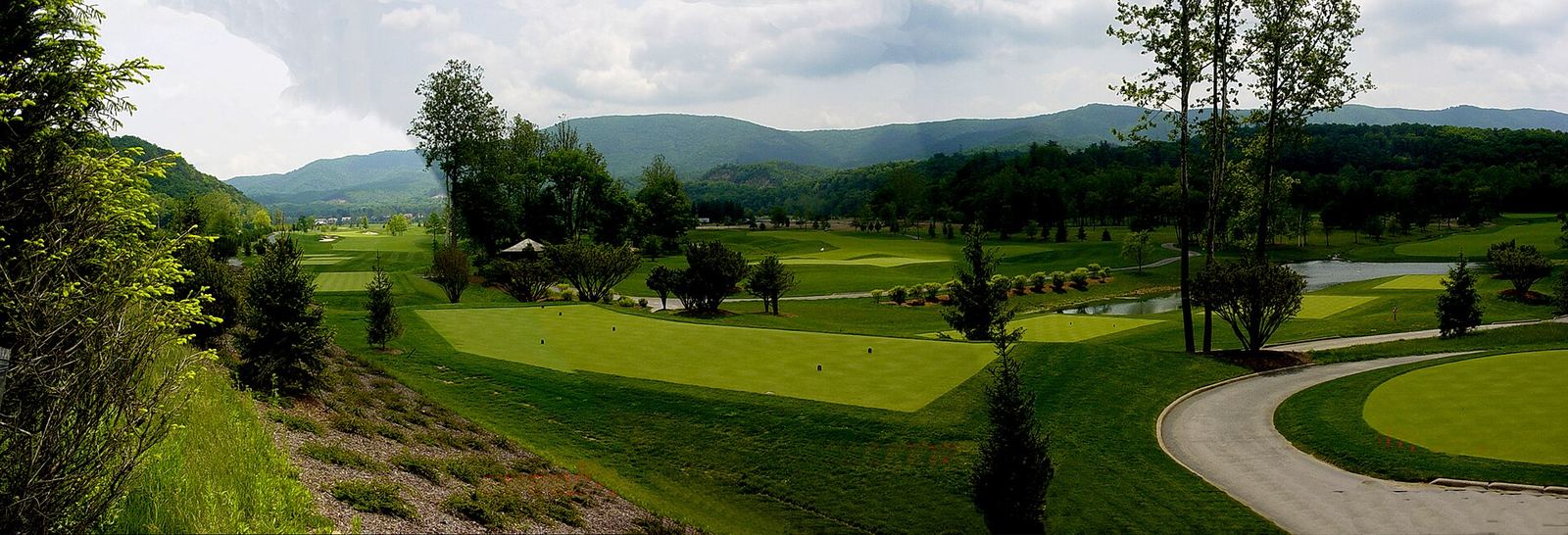
Charleston is a state capital built into river hills, and its golf matches the terrain and the town's size: two private clubs carry the serious game, and the cheap county golf at Coonskin Park, a nine where the capital plays for very little, carries everybody else. That nine is not on this list of the town's ranked clubs, and its absence should be noted before anything else, because by rounds played it may be the most important golf in Charleston. What follows ranks the three clubs that anchor the capital's formal golf life, and it is a short bench. We will say so rather than dress it up.
West Virginia golf is hill golf. Nothing is flat, lies are earned, and a course's routing through the ridges is most of its character. We score the golf first, then the day, then access, knowing full well that in Charleston access is the story for most golfers and Coonskin is their answer.
1Berry Hills Country Club
Berry Hills is Charleston's hilltop club, dating to 1925, which in West Virginia terms makes it an institution from the era when the capital's coal and chemical money built its permanent things. A century on a hilltop gives a course its identity in ways no renovation can: mature routing, members who know every sidehill lie, and views over the valley that remind you what state you are in. The golf is old school hill country golf, a test of balance and patience as much as ball striking.
The concession is that 1925 hilltop golf is a narrow test by modern standards, and the player who wants length and scale will find a members' course fitted to its ridge rather than a championship spread.
Fitted to its ridge for a hundred years is, in this state, a compliment of the first order. Berry Hills is Charleston's No. 1 because it is the capital's most complete expression of its own golf: private, hilly, old, and unbothered by fashion.
2Edgewood Country Club
Edgewood is the capital's other private club, the in town option woven into Charleston's residential life, and it gives the city something useful: a genuine second choice with its own membership culture rather than a waiting list's consolation prize. The golf is traditional club golf, kept for members who play constantly and judge a course across a season rather than a single visit.
The concession is distinction. Edgewood's case is cumulative and local, and in a head to head against a hilltop course dating to 1925, cumulative and local loses the top spot while winning most of the actual Tuesdays.
That is the correct outcome and Edgewood's members, one suspects, are fine with it. Second in the capital, first in its own neighborhood's affections, which is the arrangement private clubs are built on.
3Little Creek Country Club
Little Creek rounds out the three, the south side's club golf and the most approachable door of the three for a golfer trying to get into Charleston's club scene. In a small capital market, the third club matters out of proportion to its ranking: it keeps the other two honest, it absorbs the golfers the others cannot take, and its course gives the town a third flavor of hill golf within a short drive of the statehouse dome.
The concession is that third of three, in a town whose best golf conversation is two clubs deep, is third. Little Creek does not pretend to Berry Hills' hilltop pedigree and this list will not pretend for it.
Three clubs, one county nine doing the people's work at Coonskin, and a capital city whose golf is exactly as big as the city is. In the hills above the Kanawha, with the light going, that has always been enough for the golfers who actually live here.