Town Rankings / Tennessee
The Best Golf Courses in Chattanooga
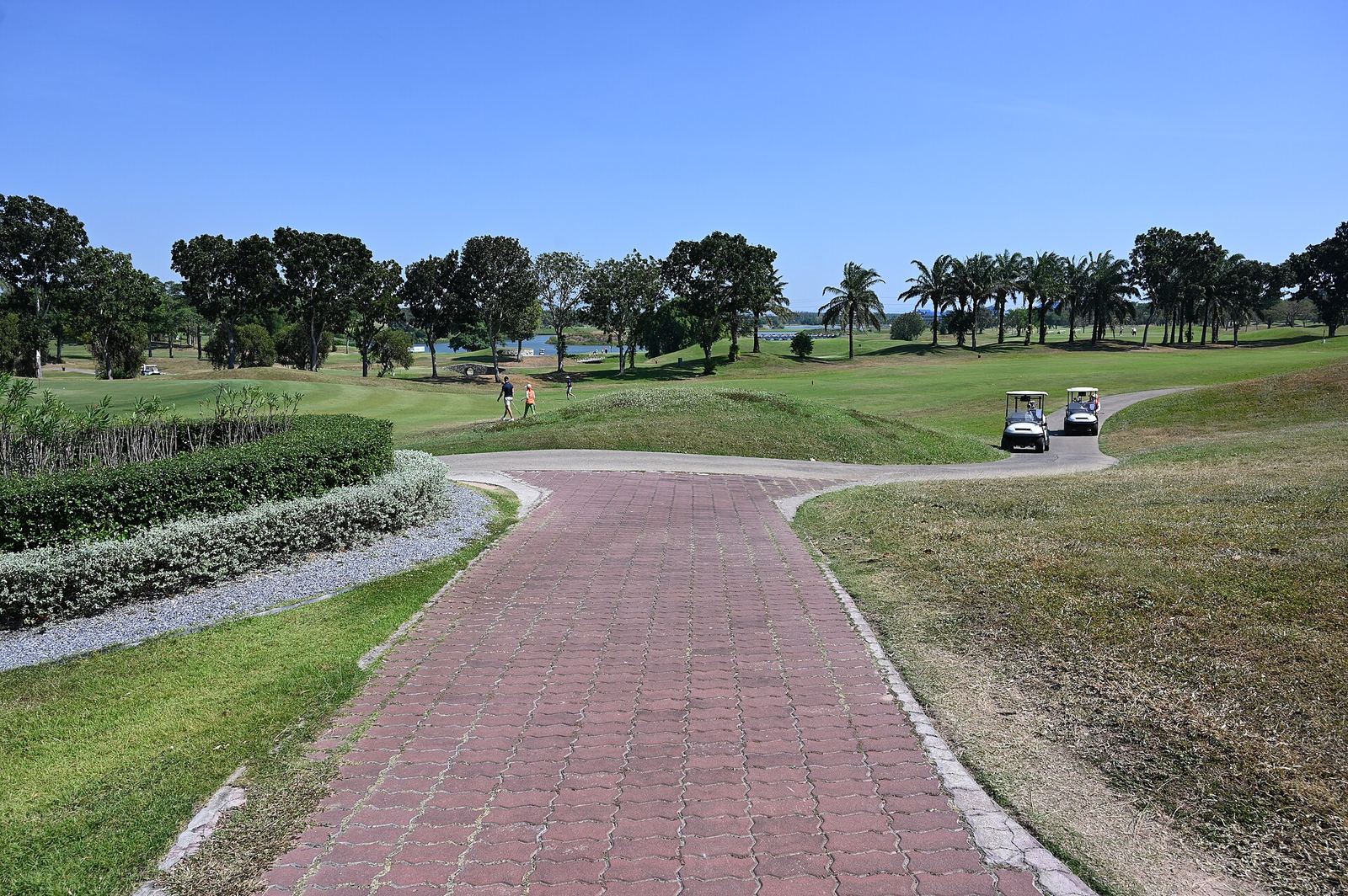
Chattanooga is a river city folded into mountains, and its golf geography follows the terrain exactly. One old club on the Tennessee River. One modern club in the valley. One course up on Signal Mountain, one over the line on Lookout Mountain, and one out in Ooltewah that most of American golf knows better than the local ones. Five courses, four different elevations of argument.
That spread is why Chattanooga punches above its size in Tennessee golf. The ranking question is not depth, it is hierarchy: a nationally known championship course, a Golden Age design on a mountaintop, and an 1896 river club all claim the top spot for different reasons. We score the golf first, then the day, then access. By golf alone, this order is not as close as local loyalties would like.
1The Honors Course (Ooltewah)
The Honors Course is Pete Dye's Ooltewah design, built as a monument to amateur golf and run with that single purpose ever since. It has hosted major amateur and collegiate championships, including NCAA finals, and it was never diluted into a resort or a real estate amenity to pay for itself. That purity of purpose is rare in modern golf, and it shows in the test: long, exacting, and uninterested in whether a resort guest enjoys himself.
Dye in this mode is not the visual trickster of his resort work. The Honors is a stern examination set in quiet country east of Chattanooga, and its reputation among good players, the ones who have actually stood on those tees in competition, is the strongest evidence any course on this list can offer.
The concession is access, and it is severe. This is one of the harder invitations in the South. A ranking weighted to what a visitor can book would bury it. But the best course in the Chattanooga area is the Honors, and a list that pretends otherwise to be democratic would be lying about the one thing it exists to say.
2Lookout Mountain Club (Lookout Mountain GA)
Yes, it sits in Georgia, on the same mountain that overlooks Chattanooga, and no, that technicality does not remove it from this town's golf life. Lookout Mountain is a Seth Raynor design, which puts it in the small family of Golden Age courses built from his template holes and engineered greens, and mountaintop Raynor is a special case even within that family. The ground falls away, the views run for miles, and the template strategy plays differently at elevation with mountain wind moving the ball.
Raynor courses have spent two decades being rediscovered and restored across the country, and the ones on dramatic ground benefit most. The concession is that template golf divides people. Some players find the repeated hole concepts, the Redans and Biarritzes, more museum than sport. On top of a mountain, with that wind, the museum argument gets hard to sustain. It is a great course in a setting no architect could buy, and it beats the home club in town on architecture.
3Chattanooga Golf and Country Club
Chattanooga Golf and Country Club dates to 1896 and sits on the Tennessee River, which makes it the historical anchor of golf in this city by a margin of generations. Riverfront golf at an old Southern club is its own category of day: flat walking ground by local standards, the river as a constant presence, and a membership that has played the same ground through every era of the game's equipment and fashion.
The concession in its favor is that if this ranking weighted the day and the place over the pure test, the river club would finish second and push first. It finishes third because the Honors is a sterner exam and Lookout Mountain is the rarer design, but third here comes with the best argument of any bronze medalist in Tennessee: no course in this city has meant more to its golfers for longer.
4Council Fire Golf Club
Council Fire is Bob Cupp and Bruce Devlin's work in the valley, a modern club course built in the era when Cupp was one of the most thoughtful designers in the game. Valley golf in Chattanooga means sheltered conditions compared with the mountains, and a course designed for a membership's weekly game rather than for championships or postcards.
It is good modern golf, honestly presented, and that is both the praise and the limit. The concession is competition. Council Fire would headline the list in many Tennessee towns. Here it sits behind a Dye monument, a Raynor, and an 1896 river club, and there is no version of the evidence that moves it past any of them.
5Signal Mountain Golf and Country Club
Signal Mountain gets the shortest section because its case is the most local: mountain golf for its community, up above the city, in cooler air than the valley floor gets in August. Members who play it weekly will tell you that elevation and that air are worth more than this ranking gives them credit for, and on a humid Tennessee summer day they have a point worth conceding.
But a town ranking has to compare tests, not thermometers. Fifth in Chattanooga still means a mountain course with a loyal membership in one of the better small golf cities in the South, and most towns in Tennessee would trade their No. 1 for it without blinking.