Town Rankings / Indiana
The Best Golf Courses in Indianapolis
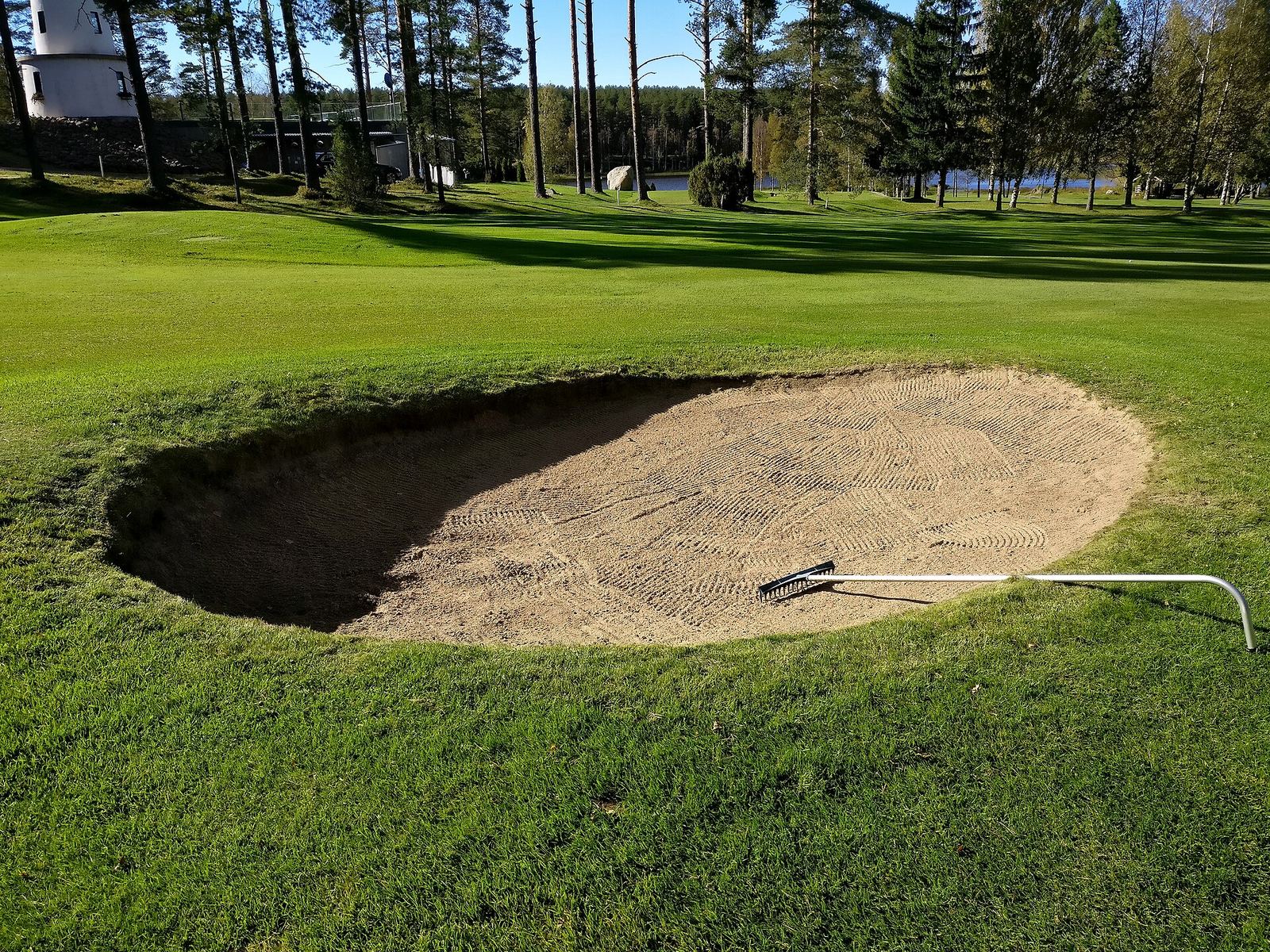
Four holes sit inside the Indianapolis Motor Speedway. Not next to it, not within earshot of it. Inside it. In May the grandstands fill and the noise rolls over those holes, and the rest of the year a golfer can play through the same ground in near silence, which is the stranger feeling of the two.
Indianapolis golf is mostly practical golf. Flat land, big skies, city courses that do a lot of work for a lot of people, and a couple of private clubs that keep to themselves. Then there is the one address that no other American city can copy. We score the golf first, then the day, then what it costs you to get on, and that order matters here, because the most famous course in town is also, on balance, the best one. That does not happen often.
1Brickyard Crossing Golf Course
Pete Dye built Brickyard Crossing, and the hook is the four holes inside the Speedway. A weaker architect would have let the setting do all the talking. Dye did not. The holes away from the track still ask questions, still punish the lazy line, still make you think about where the miss can live. The holes inside it are the ones you will describe at dinner, and they earn the description, because playing golf with that much concrete and history around you changes how a shot feels in your hands.
The concession is obvious and we will make it plainly: part of what you are buying is the novelty. Strip the Speedway away and this is a strong public course, not a national top 100 argument. With the Speedway there, it is a round you cannot have anywhere else, and in a town ranking that counts for a lot.
It also counts that anyone can book it. The best course in Indianapolis is public. That settles arguments in most cities before they start.
2The Fort Golf Course
The Fort sits on former military ground at Fort Harrison, and it feels different from the rest of the city the moment you arrive. The land moves. There are trees and elevation and a sense of enclosure that flat central Indiana rarely gives you. If Brickyard is the headline, The Fort is the round local players tend to defend when you ask where they actually like to play.
The golf is a step below the top spot in shotmaking demand, and the concession is that it lacks a single defining stretch you would cross the state for. What it has is consistency. Hole after hole of solid, shaded, walkable golf on land that does the work for the design. For a public player who cares more about the course than the story around it, this is a legitimate No. 1 pick. We just cannot put a very good course ahead of a good course inside a racetrack built by Pete Dye.
3Broadmoor Country Club
Broadmoor is the private entry, a members club on the north side with the kind of old parkland look that suits Indianapolis. Tree lined, settled, played by people who know every bounce because they have seen them for years. Private golf at its best is exactly that familiarity, a course that reveals itself slowly to the people who play it weekly.
The reason it sits third is access, and we will not pretend otherwise. A ranking that most readers cannot act on loses something when the private club wins it. Broadmoor may well give its members the best everyday golf in the city. From the outside, without a member to host you, it is a name on a list. The golf we can verify for a visitor starts at Brickyard and The Fort, and Broadmoor slots in behind them with respect.
4Coffin Golf Club
Coffin is city golf near downtown, the kind of course that keeps a town playing. It is not trying to be Brickyard and it should not be judged as if it were. The value is in its location, its price bracket compared with the top two, and the fact that a golfer who lives in Indianapolis can actually build a habit here.
The concession is the ceiling. There is no stretch at Coffin that belongs in a conversation about the best holes in Indiana. But a ranking needs a fourth course that does a real job, and Coffin does one: it is the round you play on a Tuesday without planning your week around it.
Indianapolis will always be a racing town first. The strange, good thing is that its racing town golf is not a gimmick that collapses when you play it. You finish inside the Speedway, you walk off, and the track is still there, indifferent to your score.