Town Rankings / Maine
The Best Golf Courses in Kennebunkport
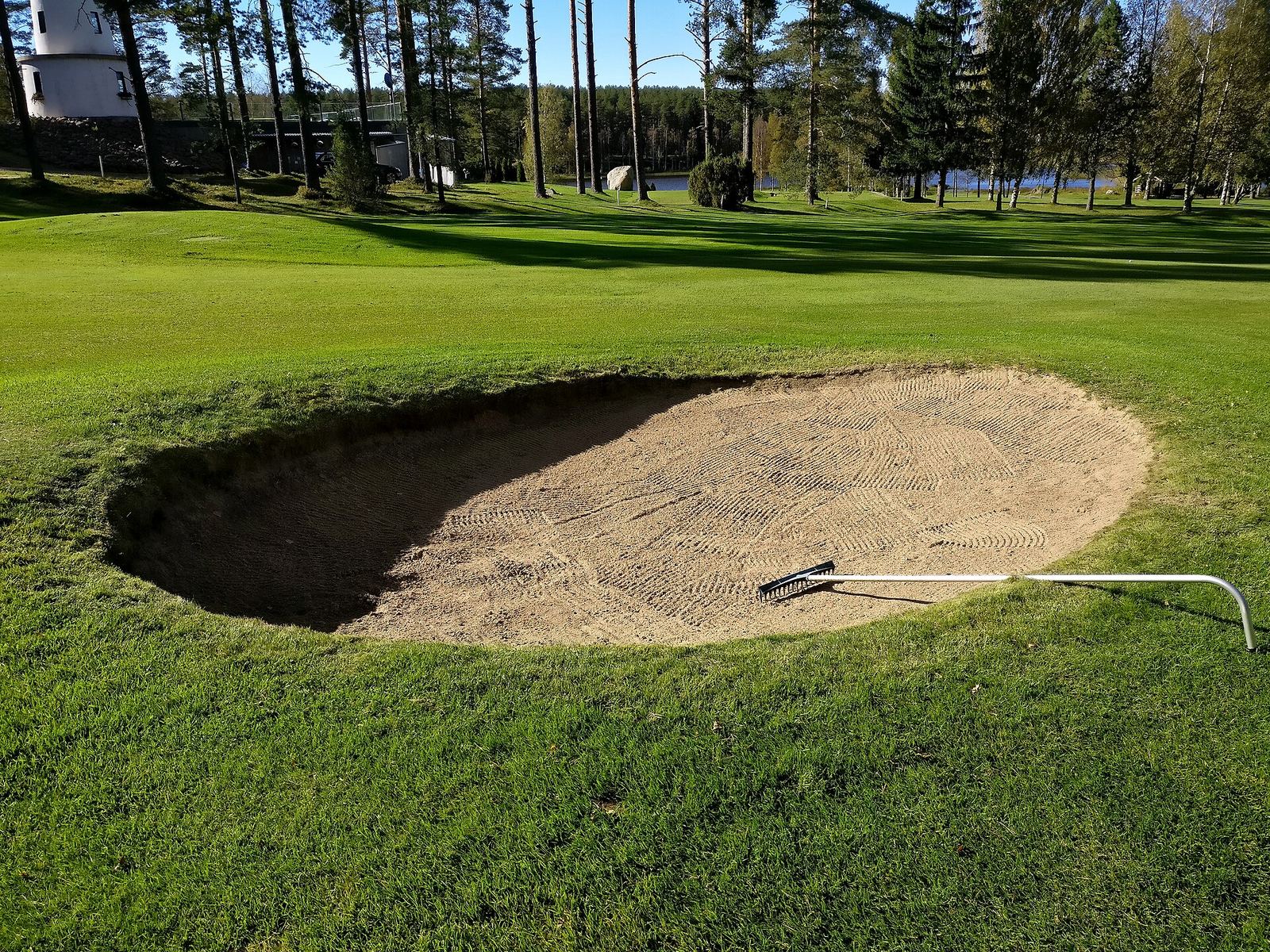
In Kennebunkport, a president in the gallery is not an event. It is a Tuesday. This is the Bush family's summer town, Walker's Point jutting into the Atlantic a short drive from the first tee, and Cape Arundel, the local club, has absorbed decades of presidential golf the way other clubs absorb a member guest tournament: as part of the furniture. Visitors arrive expecting the politics to be the story. Locals know the golf was there first, and the golf is better than the postcard suggests.
The bench, honestly stated, is two courses: Cape Arundel in Kennebunkport and Webhannet just inland in Kennebunk. That is the whole list, and it is enough, because the top of it is one of the genuinely distinctive rounds in New England. This is summer colony golf on the Maine coast, short season, salt air, small greens and old bones. We rank the golf first and the day second, and here the two courses split those prizes more evenly than you might expect.
1Cape Arundel Golf Club
Cape Arundel is a Walter Travis design on the Kennebunk River, and Travis is the name that should stop you. He was one of the great early American golfer architects, a champion player who built courses that reward brains over brawn, and Cape Arundel is his kind of golf preserved in amber: compact, clever, shaped around the river and the tide, asking for placement and touch on a small coastal canvas. Modern golf builds bigger. It rarely builds smarter per acre.
Then there is the layer no other Maine course can replicate. This was the Bush family's summer course, the place presidents played their vacation golf, with presidents in the gallery treated as normal because for this club, for decades, they were. Golf history usually happens at championships. Here it happened on holiday, in sweater weather, with the Secret Service watching approach shots. That casualness is the charm. The course has hosted the highest level of American public life without ever reorganizing itself around the attention.
The concession is scale, again, because it follows all of Maine's old courses around. Cape Arundel is short by modern standards and the power game will find places to lean on it. Conditioning and facilities are those of a seasonal coastal club, not a resort operation. If you need length and spectacle, you will leave thinking it quaint. If you value design intelligence and a setting where the river keeps changing the light and the wind, you will leave thinking modern golf forgot something. We land with the second group, comfortably.
2Webhannet Golf Club (Kennebunk)
Webhannet, in neighboring Kennebunk, is the working half of this pairing: the fuller, more conventional club round, the course where the area's serious everyday golf gets played while Cape Arundel holds court for the summer colony. It serves members and their routines, league nights and club championships, the unglamorous calendar that is the actual backbone of American golf.
Second place here is mostly about ceiling. Webhannet does not have Travis's name, the river setting at the same level, or a presidential thread running through its history. What it has is substance, a complete club course that asks a fuller set of modern questions than its famous neighbor can.
And here is the honest counterargument, conceded in full: judged purely as a test of today's game, longer, stronger, less bound by a small old canvas, Webhannet may give the better player the more satisfying examination. Some local golfers prefer it for exactly that reason and roll their eyes at visitors swooning over the Travis name. Rankings decide anyway. Design pedigree, setting and a century of singular history put Cape Arundel first, but if you can only play one and you play for the test alone, Webhannet's case is real.
Kennebunkport golf fits in a single summer day and improves with the tide: Travis's little river course while the water is moving, Webhannet for the fuller round, and the Atlantic doing its work on both. Two courses, one famous name, one honest club, and a town that learned long ago to treat presidents and approach shots with the same Maine indifference.