Town Rankings / South Carolina
The Best Golf Courses in Kiawah Island
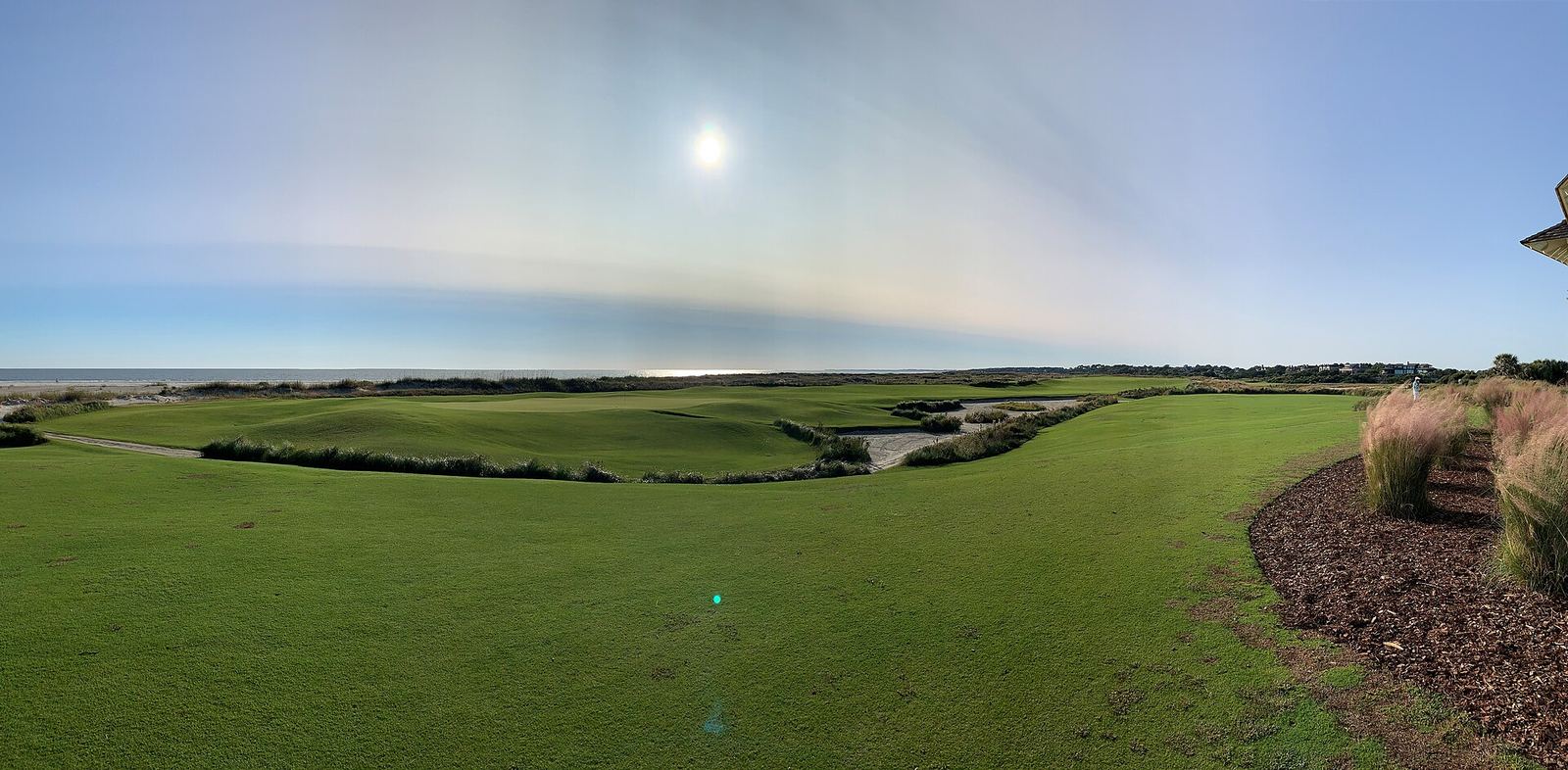
The wind is the first fact at Kiawah and the last one. The Ocean Course hosted the 1991 Ryder Cup, the War by the Shore, and two PGA Championships, and in every one of those weeks the story ended up being the same: the course, strung along the Atlantic on a barrier island off Charleston, lets the weather set the examination, and the best players in the world spend four days negotiating with it. Wind decides your score here, not you. The rest of Kiawah's golf lives in that famous course's long shadow, and some of it is good enough to step out of it.
This is a resort island with a private club attached. Four courses make the list: the public facing resort rota, where anyone with the fee can test themselves against a major championship venue, and the Kiawah Island Club's private golf, where members play a links styled course of real quality away from the cameras. We score the golf first, then the day, then access and value. The Ocean Course's fee is famously steep and Osprey Point runs at roughly half of it, so value argues one way and greatness argues the other. Greatness wins. It usually does when the evidence is a Ryder Cup.
1Kiawah Island Ocean Course
The Ocean Course is No. 1 on evidence no other course in this state can match. The 1991 Ryder Cup, the War by the Shore, went to the last match on this ground and became one of the defining weeks in the event's history. Two PGA Championships followed, proof that the governing bodies trusted the course with their biggest examination more than once, decades apart. Courses do not collect weeks like that by accident or by scenery. They collect them by holding up.
The design argument matches the trophy argument. An oceanside course built for championship golf, where the Atlantic is not a backdrop but a playing condition, where a two club wind is a calm day and the closing stretch in a crosswind asks questions most golfers have never been asked. The concession is real and worth stating plainly: on a hard day, the Ocean Course can stop being fun. It is expensive, it is exposed, and a mid handicapper in a three club wind will lose balls, temper, and any illusion about their game, possibly in that order.
Play it anyway, once, in whatever wind you draw. Kiawah's whole identity is that this course refuses to flatter you, and a ranking that valued comfort over that refusal would not be worth reading. The War by the Shore was not a nickname a marketing team invented. It was a weather report.
2Cassique Golf Club
Cassique is the Kiawah Island Club's links, Tom Watson's first US design, opened in 2000, styled as a links with manufactured dunes along the Kiawah River and marsh. Watson the player was the great links golfer of his generation, a man who won his Opens by understanding ground golf and bad weather, and Watson the designer built his members a course in that image: links style holes on Lowcountry ground, meant to be played along the turf rather than over it.
It is members only, costs in the highest estimate tier, and Watson consulted on playability for members against the club's championship minded River Course, which tells you Cassique's intent. This is the connoisseur's Kiawah, the course the island's own golfers may love most, precisely because the resort crowds never see it.
The concession is access in its purest form. At least the Ocean Course will take your money. Cassique will not, and a ranking that counts the day a golfer can actually have must mark that down even while ranking the design second. Private golf this good, this hidden, is Kiawah's other story.
3Kiawah Island Turtle Point
Turtle Point is Jack Nicklaus, opened 1981, one of his early resort designs, with three holes along the Atlantic Ocean and a major Nicklaus led renovation in 2016 keeping it current. Those three ocean holes are its claim in a town where ocean golf is the local currency: Turtle Point is the resort course, after the Ocean Course itself, that actually reaches the water, and the renovation sharpened a design that had decades of resort play on it.
The concession is identity. A Nicklaus resort course from 1981, however well renovated, sits in a hard bracket at Kiawah, outshone by a major championship venue in its own resort and out charmed by Watson's links in the private club. Turtle Point is the strong third course of a Kiawah trip, the round that surprises golfers who booked it as filler.
Filler is unfair. Third here means a Nicklaus with ocean holes at a serious resort, and most towns in America would trade their No. 1 for it.
4Kiawah Island Osprey Point
Osprey Point is Tom Fazio from 1988, playing through maritime forest, marsh, and lagoons, in Fazio's scenic Lowcountry routing. It is generally rated the most playable resort course at Kiawah after Oak Point, and it is the popular second round on Kiawah trips, at roughly half the Ocean Course fee. That combination, beauty plus playability plus relative value, makes it the course actual vacations are built around. Not everyone survives the Ocean Course with their enthusiasm intact. Osprey Point restores it.
The concession is challenge. Fazio's gift is the gorgeous, playable frame, and Osprey Point's frame is lovelier than its examination is deep. Golfers chasing the island's hardest questions will find it gentle, and gentle finishes last in rankings that score the golf first.
Last of four, then, and the one most returning guests rebook first. Rankings and rebookings are different sports. Kiawah is rich enough to win at both, and the wind, which decides everything here, does not care about either.