Town Rankings / Pennsylvania
The Best Golf Courses in Lancaster
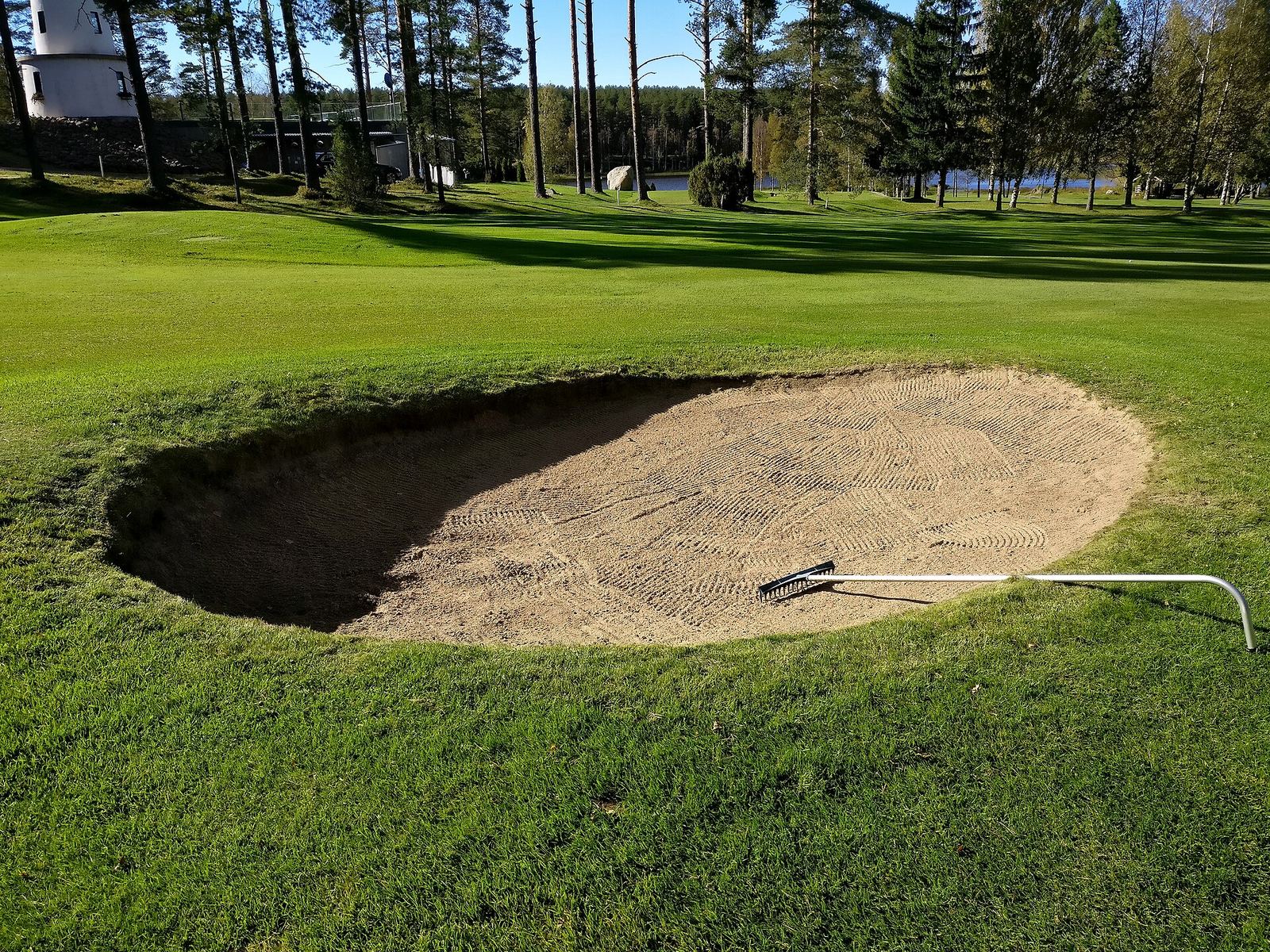
Lancaster County sells a slower version of Pennsylvania: farms, hex signs, horse-drawn buggies on roads shared with pickup trucks. The golf does not fit the postcard. Just outside the city sits a William Flynn course that hosted a U.S. Women's Open and made major champions work for every par, and a few minutes away a township municipal course fills its tee sheet with the people who actually live here. That tension, a championship private club and a working muni in the same small city, is Lancaster golf in one sentence.
The ranking scores the golf first, then the day, then what it costs to play. Lancaster's No. 1 is not close. The argument, such as it is, happens underneath it, between access and pedigree, which is the right argument for a town like this to have.
1Lancaster Country Club
Lancaster Country Club is William Flynn's work, and Flynn in Pennsylvania means a particular kind of seriousness. This is the architect of Shinnecock Hills and Merion's era, a designer who routed courses across natural ground and let the land make the decisions. Lancaster's land is gentle, rolling farmland country, and Flynn turned it into a course that looks pleasant from the clubhouse and then spends eighteen holes correcting that impression. The bunkering asks you to pick a side. The greens ask you to pick a section. Wrong answers compound quietly.
In 2015 the course hosted the U.S. Women's Open, and the championship did what championships do: it certified the course in public. The best women players in the world came to Lancaster County, the course held up under major pressure and major weather, and the winner had to play genuinely good golf rather than survive a tricked-up setup. That week is the strongest single piece of evidence on this entire list, and it belongs to the club at the top.
The concession is the familiar one, sharpened here by geography. Lancaster Country Club is private in a county where most golfers play public golf, so for most local players this course is a reputation and a television memory, not a tee time. We rank the golf, not the guest policy. On golf, nothing else in Lancaster is in the conversation.
2Overlook Golf Course
Overlook is the township municipal course, the public centre of Lancaster golf, and it earns second place on the strength of the job it does every single day. The tee sheet is full, the price is honest, the course is kept to a standard that embarrasses plenty of privately owned public tracks, and generations of Lancaster golfers have learned the game on it. A muni that well run is not an accident. It is a choice a community keeps making.
The concession is architectural, and Overlook's regulars would probably shrug at it. The design does not ask the questions Flynn asks a few miles away. It is a straightforward, playable course that gives a competent golfer what he expects, hole after hole. In a ranking that scores golf first, that caps it below the top spot by a wide margin. In a ranking of what matters to a town's golf culture, Overlook might be first, and we are comfortable holding both thoughts at once.
3Conestoga Country Club
Conestoga Country Club is Lancaster's other private option, a smaller, lower-key club that has served its members without chasing the spotlight its Flynn neighbour attracts. The golf is traditional parkland, pleasant and well kept, the kind of course that rewards the member who plays it a hundred times and learns its corners slowly. There is nothing wrong with any of that. There is also no championship record, no famous architect, and no week in 2015 that the whole sport watched.
Third place, then, with respect. Conestoga loses to a major championship venue above it and to a beloved muni below that ranking on charm, and it beats being almost anywhere else. Lancaster's golf ends the way the county itself works: one famous name, one public workhorse, one quiet club, and farmland rolling out past all three of them.