Town Rankings / South Carolina
The Best Golf Courses in Myrtle Beach
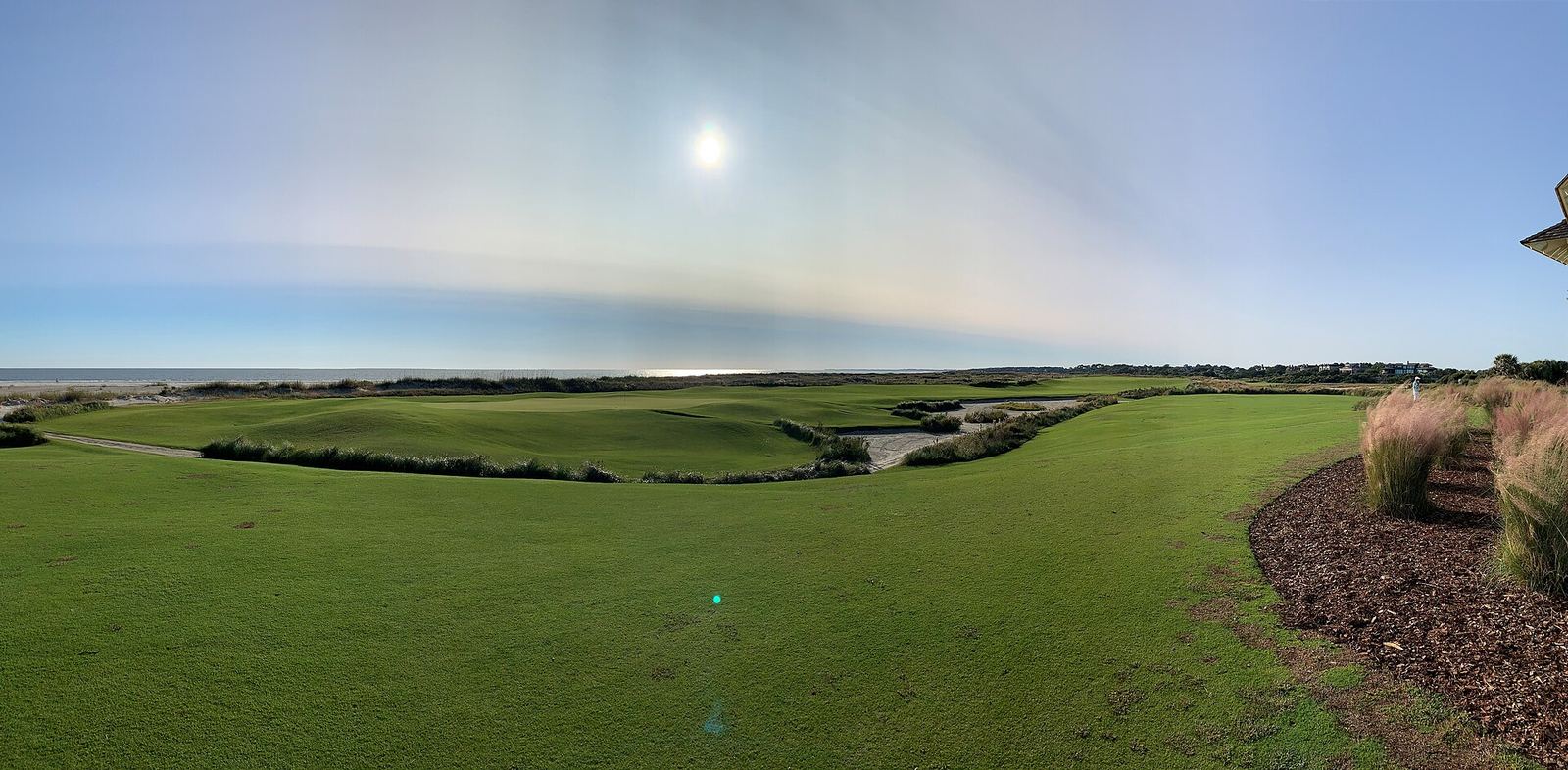
The 13th at the Dunes Club is called Waterloo, and the name is not marketing. It is a par 5 that doglegs sharply around a lake, so the second shot is a decision before it is a swing: lay back and leave a long third, or carry water you can see the whole way and find out quickly whether the round was a good idea. Eighty plus courses line this strip, and most of them never ask a question that clean.
That is the problem with ranking Myrtle Beach, and also the point of it. The Grand Strand sells volume. Packages, tee time mills, four rounds and a condo. Buried in that volume are a handful of courses that would hold up anywhere in the country, and a much longer list that exists because a group of eight needed a fourth round on Thursday. This ranking rewards the golf first, then the day around it, then what access actually costs you. By that measure the top is not close, and the fight is really for second.
1The Dunes Golf and Beach Club
Robert Trent Jones Sr. opened this in 1948, with play following in 1949, and the honest version of Myrtle Beach history starts there. Before the Dunes, this was a beach town. After it, this was a golf destination that happened to have a beach. Jones built on ground near the ocean and gave the place a course with real architecture on it, not resort filler, and his son Rees Jones has done renovation work on his father's design since, which tells you the family treats it as a legacy piece rather than an old asset.
Waterloo is the signature, and it earns it, but the ranking case is broader. The course has hosted the Senior Tour Championship and PGA Tour Q-School finals, events that do not go to pleasant vacation golf. They go to courses that can separate a field. It is still ranked the top course in Myrtle Beach and in the top five in South Carolina.
The concession is access, and it is a real one. This is a member club, semi-private in practice, with limited outside and package play windows. You cannot simply decide on Tuesday to play it on Saturday in peak season. For a ranking that counts access at all, that should hurt. It does not hurt enough. The best course in town by a clear margin does not lose its spot because getting on takes planning.
2Caledonia Golf and Fish Club
Caledonia sits down in Pawleys Island, which some purists will say is not Myrtle Beach at all. Fine. It is the second best course in the Myrtle Beach market by a distance, and leaving it off a Grand Strand ranking because of a town line would be tidier and wronger.
Mike Strantz built it in 1994 as his first solo design, on a former 18th-century rice plantation, routed through a canopy of centuries-old live oaks. The drive in under those oaks sets a tone most Myrtle Beach courses cannot match, and then the golf backs it up: intimate where the Dunes is grand, exacting around the greens, and finished with a par 4 18th that plays over water to a green set in front of the clubhouse porch. People watch from that porch. Miss the green and you have an audience for it.
It is public, which matters here, and consistently ranked among America's top 100 public courses. Peak fees run around $150 to $200, high for Myrtle Beach and still below destination resort pricing elsewhere. The concession is scale. Strantz kept it tight and low, and a player who wants a big, modern, bomb it everywhere test will call it fussy. That player is wrong about this course, but the preference is real.
3Barefoot Resort Dye Course
Pete Dye opened his Barefoot course in 2000, and it is the only semi-private course at the resort, the other three being straight resort tracks. That status shows in the golf. The waste bunkers and bulkheaded water hazards are pure Dye, hazards that look engineered rather than found, and the closing holes get compared locally to the finish at TPC Sawgrass. That comparison flatters it, but only a little, which is saying something.
It hosted Golf Channel's Big Break Myrtle Beach, and television likes it for the same reason players remember it: trouble is visible, photographed well, and usually avoidable by thinking one shot earlier than you wanted to. The concession is that Dye's visual intimidation can wear a high handicap group down over 18 holes, and at premium Barefoot pricing a beating should at least be optional. Play the right tees and it is the third best round in town. Play the wrong ones and you will rank it last on the drive home, unfairly.
4Grande Dunes Resort Club
Roger Rulewich designed Grande Dunes in 2001, and Rulewich spent years as Robert Trent Jones Sr.'s longtime associate, so there is a neat symmetry in the Jones lineage bookending this list. Seven holes play along the Intracoastal Waterway from a bluff-top setting, and the par 3 14th drops from a high tee along the water. When the wind is up off the waterway, that shot is the whole round.
It is ranked among Myrtle Beach's top public and resort courses, and the setting on the bluff is genuinely different from the flat, pine lined golf that fills most Strand scorecards. The concession is consistency. The waterway holes are memorable and a few of the inland holes are not, so the round peaks and dips in a way the three courses above it do not. Resort and public access at premium pricing makes it easy to get on, at least.
Play the Dunes if you can get the window. Play Caledonia if you cannot. That sentence has been true in Myrtle Beach for about thirty years, and nothing built since has changed it yet.