Town Rankings / California
The Best Golf Courses in Pacific Grove
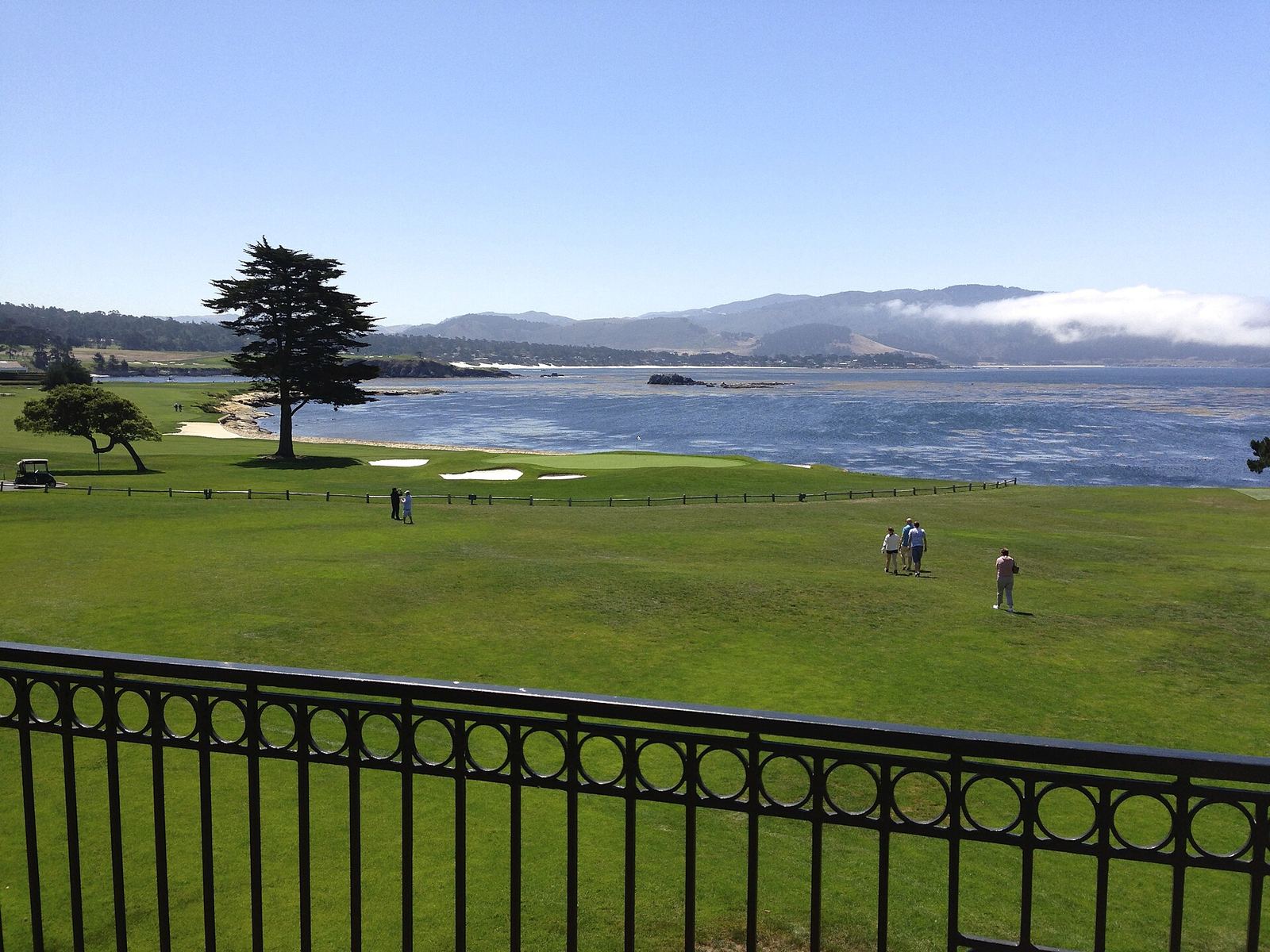
The back nine starts and the town falls away. You walk out of the pines, the ground turns to sand and dune grass, and the Pacific is suddenly right there, close enough that the wind off it rearranges your club selection on every shot. This is a municipal course doing that. The town of Pacific Grove owns it, runs it, and charges ordinary people to play it, a fact that still startles golfers who arrive expecting the Monterey Peninsula to be entirely gated and priced in four figures.
Pacific Grove is the quiet end of the Peninsula. The famous names sit a few miles south and east, behind resort gates. What this town has is one genuinely split personality golf course and, within a short drive, two very different tests in Monterey and at the old Fort Ord. The ranking below rewards the golf first, then the day it makes, then what it costs you to get on. On that math, the muni wins its own town, and it is not a sentimental pick.
1Pacific Grove Golf Links
Two courses share one scorecard here. The front nine, dating to 1932, plays through the pines in the parkland style of its era, tight and tree lined and unhurried. The back nine is the argument. Jack Neville, the man behind Pebble Beach, laid it out over dunesland by the lighthouse, and it plays like a small, honest links: exposed to the wind, firm underfoot, the ocean in play visually on shot after shot even when it is not in play literally.
That contrast is the whole case for No. 1. Plenty of courses are better conditioned. Plenty are longer and harder. Almost none give you two distinct kinds of golf in eighteen holes, at a municipal price, in a town you can walk to lunch from afterward. The concession is real: the front nine is good rather than great, the facilities are municipal facilities, and on a foggy morning the famous back nine can feel like hitting into a grey wall. None of that moves it. The back nine at Pacific Grove is the best value golf on the Peninsula, and the front nine's modesty is part of the price of admission, not a flaw in the deal.
2Bayonet Golf Course
Bayonet, out at Fort Ord, is the hardest test on this list and the pick of the serious player who finds Pacific Grove too short and too gentle. It is a former military course with a military temperament: tree lined, demanding off the tee, uninterested in your feelings. Rounds here are examinations. The cypress and oak corridors punish the crooked drive in a way the open dunes never do, and the course has a reputation across Northern California as a place where good players go to find out.
It loses the top spot on the day, not the golf. Bayonet is a grind by design, and a grind is a narrower pleasure than Pacific Grove's two-act round by the sea. Play it when you want a score to mean something. Play the Links when you want to remember where you were.
3Del Monte Golf Course
Del Monte is the elder in the room, an old parkland course in Monterey that has been part of Peninsula golf since the game's first California chapter. Its virtues are shade, turf, and tempo: a walkable, tree lined round of the kind that modern desert and links golf pushed aside. On a windy afternoon, when the coastal courses are getting beaten up, Del Monte's sheltered corridors are the smart tee time.
The honest concession is that nothing here startles. The holes are pleasant and well kept rather than memorable one by one, and a golfer with one day on the Peninsula should spend it by the water. Del Monte is for the second day, or the fifth trip, when the postcards are handled and what you want is a good walk on old ground. Peninsula golf started in places like this. It is worth one round to understand the rest of the list.