Town Rankings / Pennsylvania
The Best Golf Courses in Scranton
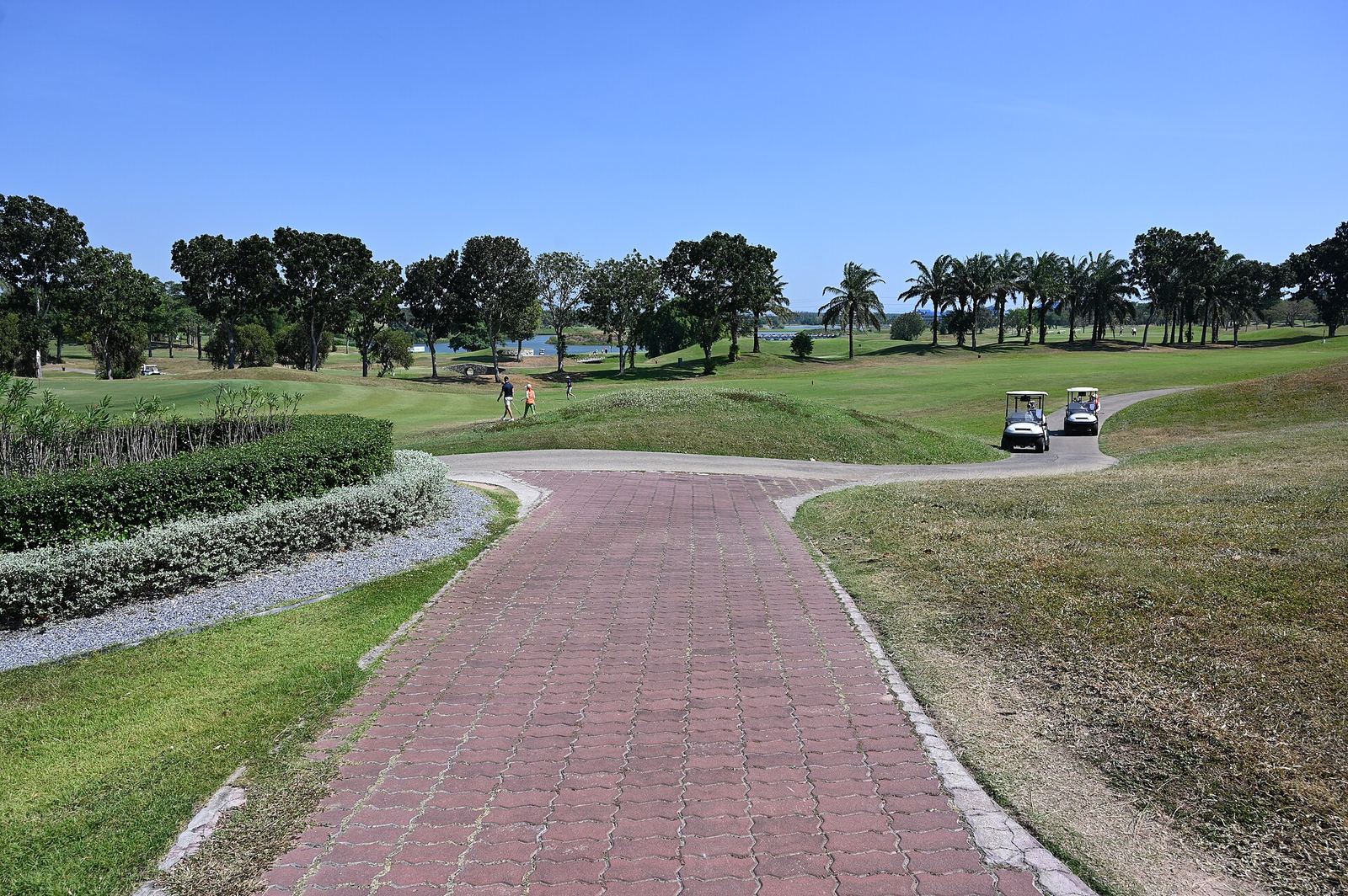
Scranton gets introduced to most Americans as a joke about an old television show, which is unfair to a city sitting in a river valley at the edge of the Endless Mountains with serious old golf. The private clubs up here were built when coal money ran the valley, and they hired the architects coal money could hire. Walter Travis and A.W. Tillinghast both worked at the same Scranton club. That is not a small-city résumé. That is a résumé most state capitals would envy.
Three private clubs make the bench, all of them closed to the public, which shapes everything about this ranking. We score the golf first, then the day, then access, and access here is a locked gate on all three lines. So the golf has to do the talking, and at the top of this list it talks fluently.
1Country Club of Scranton
The Country Club of Scranton carries the double pedigree in the hook of this list: Walter Travis and Tillinghast both had a hand in the golf here, in the foothills of the Endless Mountains. Travis was the great amateur turned designer who thought in terms of greens and consequences. Tillinghast needs no introduction anywhere in the Northeast. A course that passed through both sets of hands, on rolling mountain-edge ground, has a depth of design that reveals itself slowly, which is why members of old clubs like this one tend to get more devoted the longer they play their course, not less.
The setting finishes the argument. This is not city golf and not farm golf. It is golf at the point where the valley gives up and the mountains begin, with elevation and long views worked into a classic parkland examination. In a region full of pleasant old clubs, Scranton's country club is the one architecture people name first, and they are right.
The concession is that a Travis and Tillinghast pedigree sets a standard the course has to keep meeting, through restorations, tree decisions, and the thousand small choices that either protect old design or erode it. The club has carried that responsibility seriously. First place in Scranton, and the strongest private course in this corner of Pennsylvania.
2Glenmaura National Golf Club (Moosic)
Glenmaura, just south of the city in Moosic, is the modern entry: a big, demanding course built to a tournament standard a different era asked for. It proved that standard in public by hosting a Korn Ferry Tour event, sending the game's best developing players over its ground and watching the course stand up to them. Modern tournament courses trade charm for difficulty, and Glenmaura leans into the trade. It is long, exacting, and unapologetic about the shots it requires.
That modern difficulty is also the concession. Glenmaura's examination is sterner than it is lovable, and a steady diet of it would wear out most handicap golfers. Ranked as a test, it runs the Country Club of Scranton closer than this order suggests. Ranked as a place to play golf for fifty years, it finishes second, a tournament venue in a valley that prefers its golf older and a touch more forgiving.
3Elmhurst Country Club
Elmhurst, out in Moscow, is the valley's quieter private club: traditional parkland, a loyal membership, and a course that has served local golf for generations without chasing television cameras or national architects' reputations. It is the kind of club that anchors a community's golf life, junior events and club championships and the same foursomes on the same mornings, year after year.
Its third place is a matter of company, not quality. Elmhurst shares a list with a Travis and Tillinghast course and a former tour venue, and almost any club in almost any small city would finish third to that pair. Scranton's golf ends the way the valley itself runs: coal-era pedigree at the top, a modern test in the middle, and a quiet members' course in Moscow keeping the game's local heartbeat going under the mountains.