Town Rankings / Mississippi
The Best Golf Courses in Tupelo
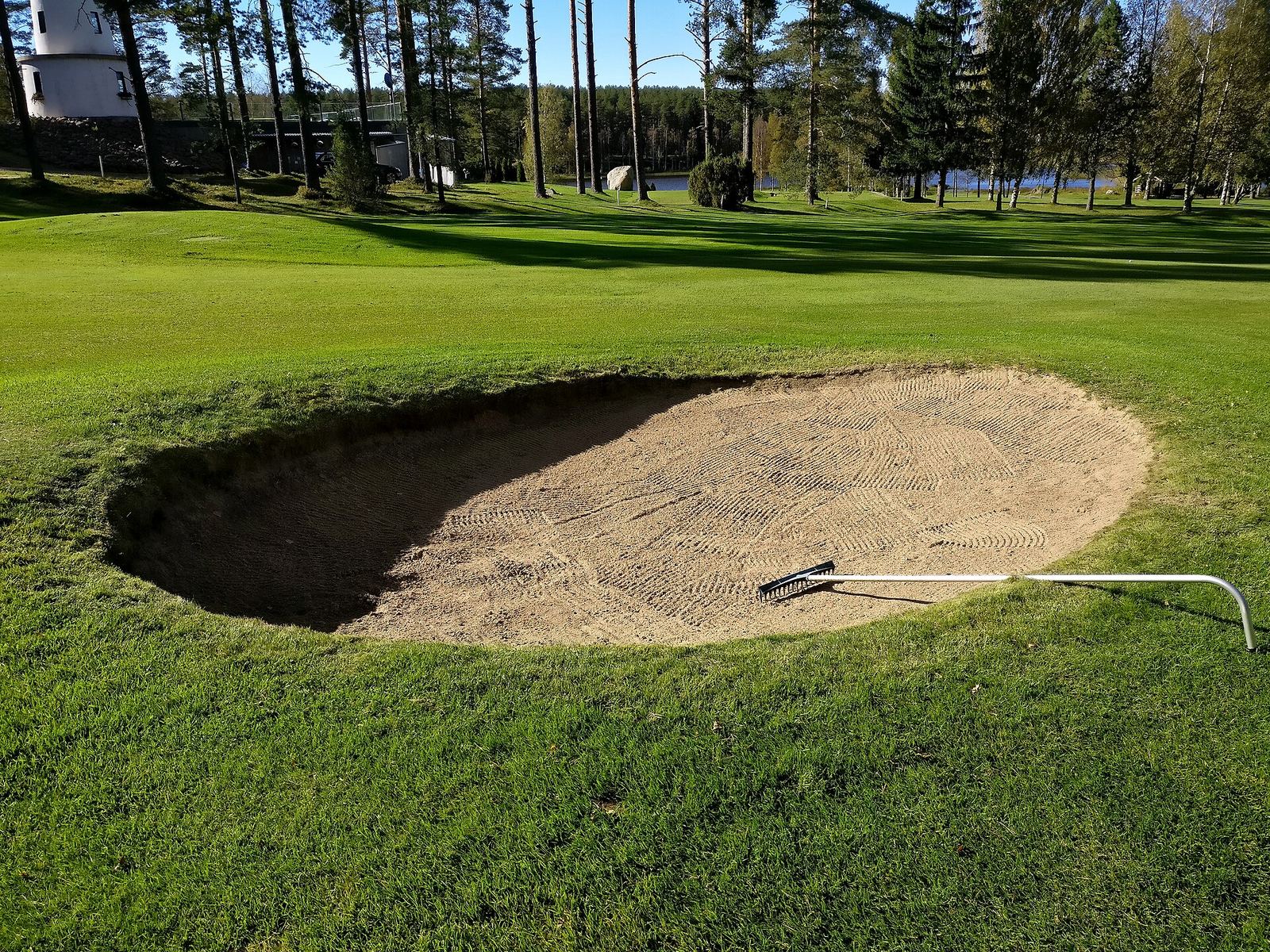
Tupelo sells itself on Elvis, and the birthplace brings the buses. Golf here asks for no such mythology. It is a working town's golf: a country club, a city course, and a newer public layout named for the trees its designer refused to cut. Three courses, three different jobs, and a ranking that mostly consists of saying which job matters most. We score the golf first, then the day, then access, which in Tupelo produces an order the town itself would probably recognize.
There is no resort golf here and no pretense of it. What Tupelo has is the standard equipment of a mid-sized Southern town that takes its golf seriously enough to keep three courses alive, and honest golf towns like this one are the game's actual foundation. The ranking is short because the bench is short. Padding it would be lying.
1Tupelo Country Club
The country club leads because it is the fullest version of golf in Tupelo: a private membership course with the conditioning, the regular games, and the institutional weight that come with being the town's established club. In towns of this size the country club is rarely the most interesting course in America and is almost always the best course in town, and Tupelo follows the rule.
The argument for it is cumulative rather than spectacular. Better day-to-day presentation than the public options. A membership that plays enough to keep standards honest. The sense, which golfers register without articulating, that this is the round in Tupelo people dress up for slightly. Rankings are allowed to notice that.
The concession is access, as it is on nearly every list we publish. A private No. 1 in a town with only three courses means the best golf in Tupelo is closed to most Tupelo golfers, and the two public options below carry more of the town's actual golf life than this ranking's order suggests. Both things are true. The ranking answers which course is best, not which course matters most, and on the first question the club wins.
2Big Oaks Golf Club Tupelo
Big Oaks is a Kevin Tucker design named for what it kept standing, and that name is a small manifesto. A course routed through big oaks instead of around a bulldozed field starts with shade, strategy around the trees, and a sense of place that manufactured layouts spend decades trying to grow. Tucker kept the trees, and the trees are the design's memory and its hazards at once.
As the newer public option, Big Oaks is the round a visitor should book and the course with the clearest identity of the three. Its ceiling is the honest question. Public golf in northeast Mississippi is not where anyone goes hunting for architectural greatness, and Big Oaks does not claim to overturn that. It claims a pleasant, tree-lined test with a name it earns, and it delivers that. Second place, and the best day out in Tupelo for anyone without a member's phone number.
3Bel-Air Golf Course
Bel-Air is Tupelo's city course, and city courses get ranked last on lists like this one with dreary regularity, including by us. The reasons are the usual ones: municipal budgets, municipal conditioning, a layout built to serve everybody and therefore optimized for nobody. Put Bel-Air third and move on is the easy paragraph.
Here is the other paragraph. Bel-Air is where Tupelo's golf actually happens in volume: the cheap round, the first round, the round after work, the round that keeps a kid in the game until he can afford the other two. A town ranking that counts only quality will always bury the muni, and a town that loses its muni discovers what it was for. Third on golf. First on the list of courses Tupelo could least afford to close. Both rankings are in this post, and the second one matters more than it looks.
Elvis left Tupelo as a boy and the town built a shrine. The golf stayed home and kept working: a club, a course under the oaks, and a city track by the people who live there. Rank them how you like, all three are still standing.