Architect Rankings
The Best Tom Doak Golf Courses in America
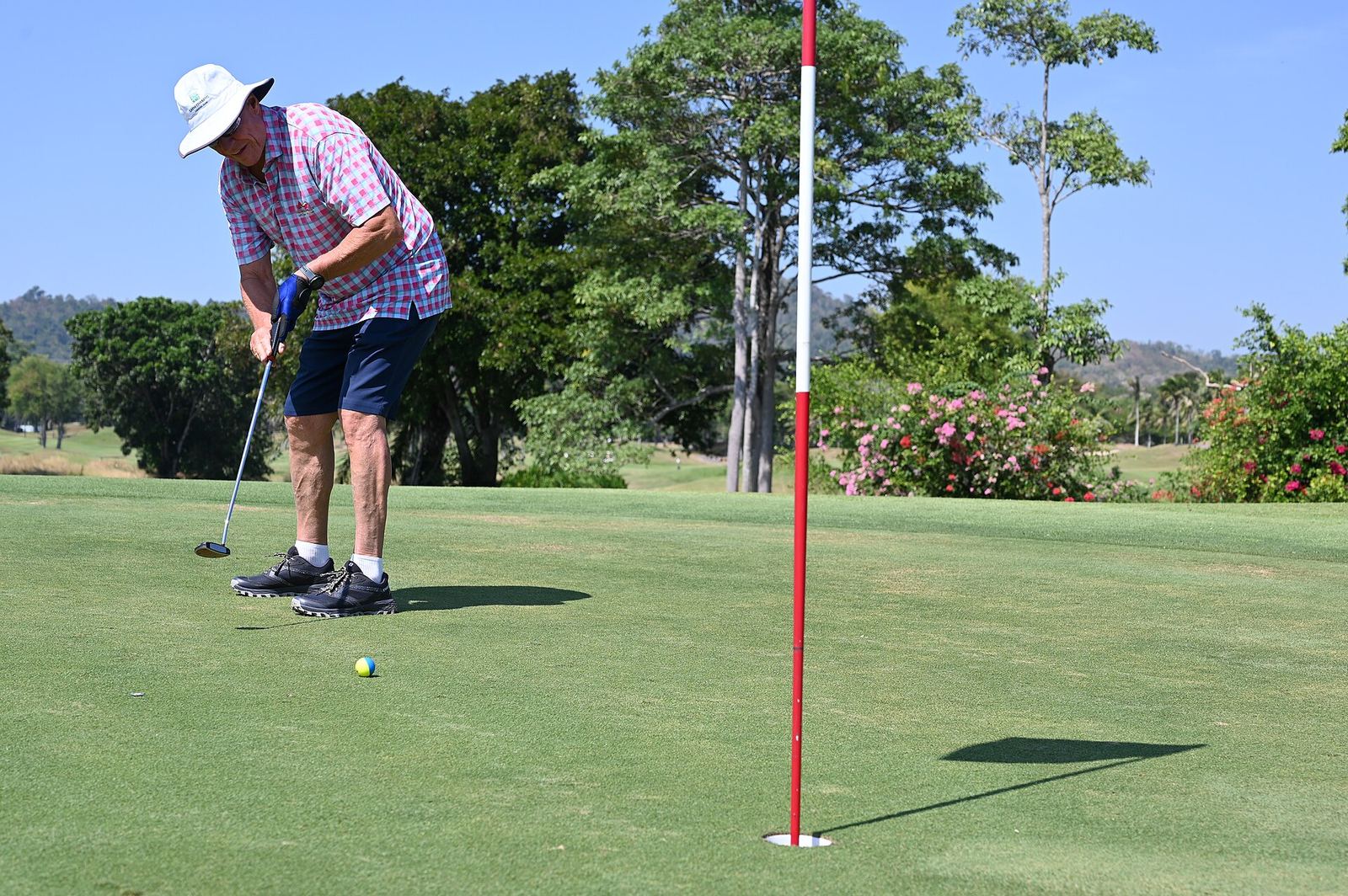
Tom Doak's idea of golf can be stated in one sentence: the land decides, the architect edits. Twenty seven of his courses sit in this dataset across seventeen states, from Bandon to Holyoke to Houston, and the spread itself is the first evidence, because no two of them sit on the same kind of ground. Dunes in Oregon. Chop Hills in Colorado. A reclaimed phosphate mine in Florida. A municipal park in Houston. Doak's range is not versatility as a party trick. It is a method applied honestly to whatever the site is, and the ranking below takes his best eight from the writable records, favoring originals over restorations where the golf is close. Regional readers can place the leaders locally through our Southampton ranking, the Houston ranking, and the San Francisco ranking.
1Ballyneal Golf Club
Doak built it in 2006 in the Chop Hills sand dunes near Holyoke, Colorado, on family farming land owned by founders Rupert and Jim O'Neal. Walking only, no carts, no tee markers, 100 percent fescue turf. Golfweek ranks it the No. 1 private course in Colorado and Golf Digest put it No. 34 on America's 100 Greatest in 2025. The greens perch on hilltops, the pars bend into half par holes, and the season runs mid May to mid October, two and a half hours northeast of Denver. This is the purest statement of the method: sand, wind, walking, and nothing else to hide behind. The 12 hole Mulligan short course is a bonus, not the argument.
2Sebonack Golf Club
The collaboration nobody predicted: Jack Nicklaus and Tom Doak together in Southampton in 2006, par 72 at 7,252 yards, with panoramic views of Great Peconic Bay, next door to National Golf Links and Shinnecock Hills. Owner Michael Pascucci bought the property in 2001 to build a championship course, and the 2013 U.S. Women's Open, the first on Long Island, proved he got one. Sebonack ranks below Ballyneal here only because its authorship is shared, and shared credit is still credit. The bay side holes belong on any short list of modern American golf.
3Streamsong Blue
Doak in 2012, on reclaimed phosphate mine land in Bowling Green, Florida, with large dunes and lakes where the mine left them, opened the same year as Coore and Crenshaw's Streamsong Red across the property. The greens are very large and heavily contoured, the ground is sandy and firm in a state famous for soft, and the course is regularly ranked among the best public courses in America. Resort access with publicly bookable fees matters here: the No. 3 Doak in America can be booked by anyone reading this.
4San Francisco Golf Club
A restoration credit, and the strongest one in American golf. Tillinghast remodeled the course in 1923, establishing its greens and bunkering as his first great work. Three holes lost in 1950 to a street widening that never happened were re-established in 2006 by Doak and Jim Urbina. The par 3 seventh, the Duel Hole, drops into the ravine where California's last legal duel was fought in 1859. The club, founded in 1895 and at this site near Lake Merced since 1915, plays 6,829 yards of rolling, pine covered ground. Restoring Tillinghast at a club this private, and being trusted to do it, is authorship of a kind.
5Bel-Air Country Club
George C. Thomas Jr. and William P. Bell built Bel-Air in 1926, the third of Thomas's great Los Angeles trio with Riviera and the Los Angeles Country Club, routed through canyons so severe that tunnels were cut through hillsides to move players from greens to tees, with a suspension bridge and an elevator ride after the ninth green. It hosted the 1976 U.S. Amateur. Doak's recent restoration recovered Thomas's bunkering and corridors, and he has called Bel-Air the most unique of the three because of its property.
6Memorial Park Golf Course
The most important Doak on this list for the game at large. A Houston municipal course, opened in 1936 under John Bredemus, home of the PGA Tour's Houston Open from 1951 to 1963 and again from 2020. Doak renovated it in 2019 for $18.5 million, funded by the Astros Golf Foundation, with Brooks Koepka as player consultant, and Golf.com ranks it No. 7 among municipal courses in the United States. A Tour event on a muni: if you want one course that proves the method scales down to public money, this is it.
7Stone Eagle Golf Club
Doak's only design in Southern California, opened in 2005 at the base of the Santa Rosa Mountains above Palm Desert. It looks severe against the rocks and offers generous landing areas, the oldest Doak trick, fear at a glance and room in fact. A true 19th hole settles bets. Desert golf usually means target golf on irrigated ribbons. Stone Eagle blends into the mountain terrain instead, and the valley views do the rest.
8The Tree Farm
The newest name here: a private club outside Aiken, South Carolina, opened for member play in the fall of 2023. PGA Tour player Zac Blair founded it, having bought the property in 2020, land that was previously a pine nursery on sand based rolling topography. Doak routed the course while Kye Goalby and Blair designed the holes and features. Ranking an infant course this high is a bet, and we state it as one: sand, in the Carolina Sandhills belt, with that routing team, is the safest bet modern golf offers.
The concession, owed honestly: Doak's reputation now runs ahead of some of the work, and restorations carrying his name borrow glow from originals he built his name on. A few panel darlings reward the walk and the philosophy more than the shots. But the top of this list needs no philosophy to defend it. Ballyneal's fescue, Sebonack's bay, Streamsong's mine dunes and a Houston muni holding a Tour event are facts, and facts are what the land decided.