Architect Rankings
The Best Willie Park Jr. Golf Courses in America
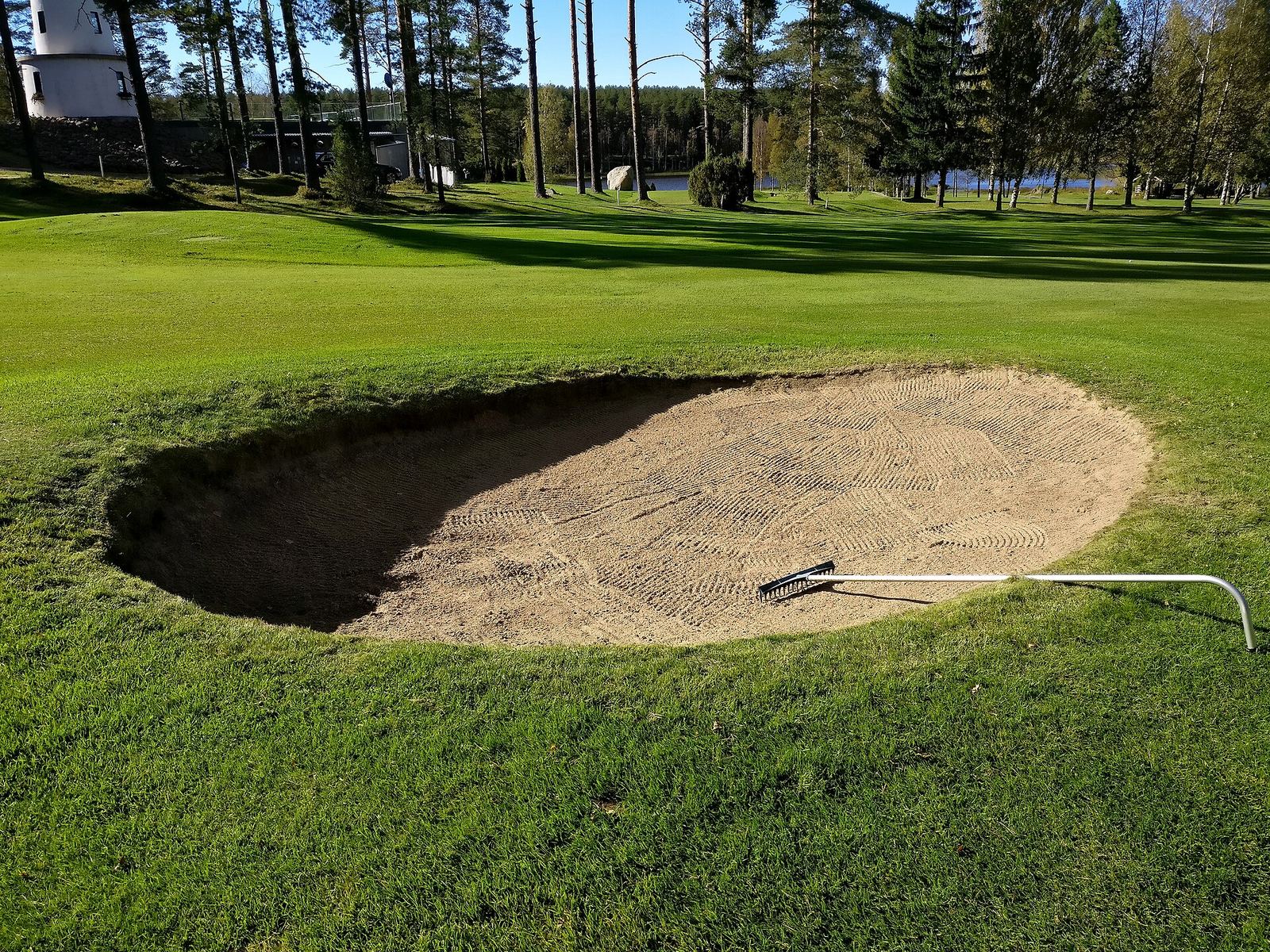
Willie Park Jr. won the Open Championship twice, then crossed the Atlantic and spent a career showing America what a golfer turned architect could do. Our dataset holds 23 of his American courses across 12 states, from an 1898 layout in Arkansas to a 1929 course in Virginia, and the range is the first thing to understand about him. He built seaside golf in East Hampton, championship muscle outside Chicago, and quiet member courses in Connecticut towns most golfers have never visited. He was not stamping out copies. He was reading land, in a decade when many American courses were drawn on paper first and forced onto the ground later. This list ranks the best seven we can fully document, best first.
1Maidstone Club, East Hampton, New York
Maidstone takes the top spot because it is the Park course where land, era, and survival line up. Opened in 1899 in East Hampton, designed by Park with William H. Tucker, it plays par 72 at 6,719 yards along the Atlantic Ocean, combining links style golf with coastal views. An 1899 seaside course by a two time Open champion is as close as American golf gets to the game's source, and Maidstone is listed among the best courses in New York for good reason. The ocean is not a backdrop here. It is the architecture's partner, bringing the wind that makes a modest yardage play like a championship.
2Olympia Fields Country Club North Course, Illinois
The championship entry. Park's North Course opened in 1923 as the fourth course at what was then the largest country club in the world, and it hosted two U.S. Opens, in 1928 and 2003, two PGA Championships, a U.S. Senior Open, and a U.S. Amateur. More recently it hosted BMW Championships in 2020 and 2023, with Jon Rahm winning in 2020 on a 66 foot playoff putt. Par 70, 7,353 yards, Butterfield Creek threading the property, and Golf Digest ranks it in America's top 100 and No. 6 in Illinois. If Maidstone is Park the linksman, the North is Park the examiner, and it loses the top spot only because East Hampton's ground is rarer than championship length.
3New Haven Country Club, Connecticut
New Haven is the purist's pick, and it nearly took second. The club dates to 1898 in Hamden, Robert Pryde built the early course, and Park redesigned it completely in 1921, opening Memorial Day 1922. A recent restoration by Brian Schneider expanded playing surfaces and brought bunkers back into play, and 17 original Park greens remain. Seventeen. That survival rate is why historians care about this course. It hosted the New England Amateur in 1941 and 1998, and early members included President William Howard Taft and Walter Camp. For golfers who want to see what Park actually thought, this is the most intact evidence in America.
4Princess Anne Country Club, Virginia Beach, Virginia
Princess Anne is the surprise of the list. Founded in 1916 by Norfolk businessmen as a coastal retreat, its course opened in 1921 with Park credited for the tees, greens, and bunkers. The par 70 layout winds through pines and live oaks and crosses inlets and lakes, Tim Liddy renovated it completely in 2007, and Golf Magazine named it one of the Top 25 Short Courses in the World in 2020. President Warren G. Harding played here in 1921. A short course with that kind of recognition is doing something right about interest per yard, and it is the most playable course on this list for most golfers.
5Woodway Country Club, Darien, Connecticut
Woodway plays 6,901 yards at par 71 in Darien, and its history has a wrinkle worth knowing. Park was selected in January 1917 and the course officially opened June 30, 1918. A Bruce Hepner renovation later thinned trees and restored playing corridors and green sizes, and the club is a certified Audubon Cooperative Sanctuary. It appears on Golf Digest Best in State lists, and it represents Park's Connecticut parkland mode at its most polished. It concedes ground to the four above it on uniqueness, not quality.
6Highland Golf and Country Club, Indianapolis, Indiana
Highland's story is the most American on this list. The club began in 1903, lost its municipal home when the city ended its lease in 1919, bought a 143 acre farm on a high bluff of the White River, and hired Park to design and build the new course with Bill Diddel's help, opening in 1921. It hosted the 1927 Western Open, then a near major, and plays par 70 at up to 6,551 yards with a perennial top ranking in Indiana from Golf Digest. A bluff above a river is land Park knew how to use, and the Western Open date proves the course was taken seriously from the start.
7Boonsboro Country Club, Lynchburg, Virginia
Boonsboro closes the list with an attribution that needs care, and this ranking will give it. Park approved the tract and selected the routing in 1923, and Fred Findlay designed the course, which opened July 1, 1929 on land that had been a farm for nearly 125 years. It plays par 72 at 6,640 yards and has hosted the Virginia State Amateur, including the 2023 championship. Park's hand here is the routing eye rather than the full design, which is why it sits seventh despite the fine record. Seventh for a routing credit tells you how strong the six above it are.
The honest concession about Park is that his American work is scattered, much of it altered, and some of it, like the Olympia Fields South Course where he reconfigured a Tom Bendelow layout, resists clean credit. He is easier to underrate than the architects who built a few famous courses in one place. The through lines are the greens, 17 of them still intact at New Haven, and a willingness to let seaside ground in New York and creek ground in Illinois produce completely different golf. For regional context, see our Virginia Beach town ranking, the East Hampton town ranking, and our Hot Springs town ranking, where his 1898 Park Course still anchors the club's gentler side.
Two Open Championships, then a second life spent teaching a new golf country how its courses should sit on their land. Maidstone's dunes and New Haven's seventeen greens are the surviving lessons, and they are still worth studying.