Course Profiles / Vermont
The Quechee Club Lakeland Course: A Course Profile
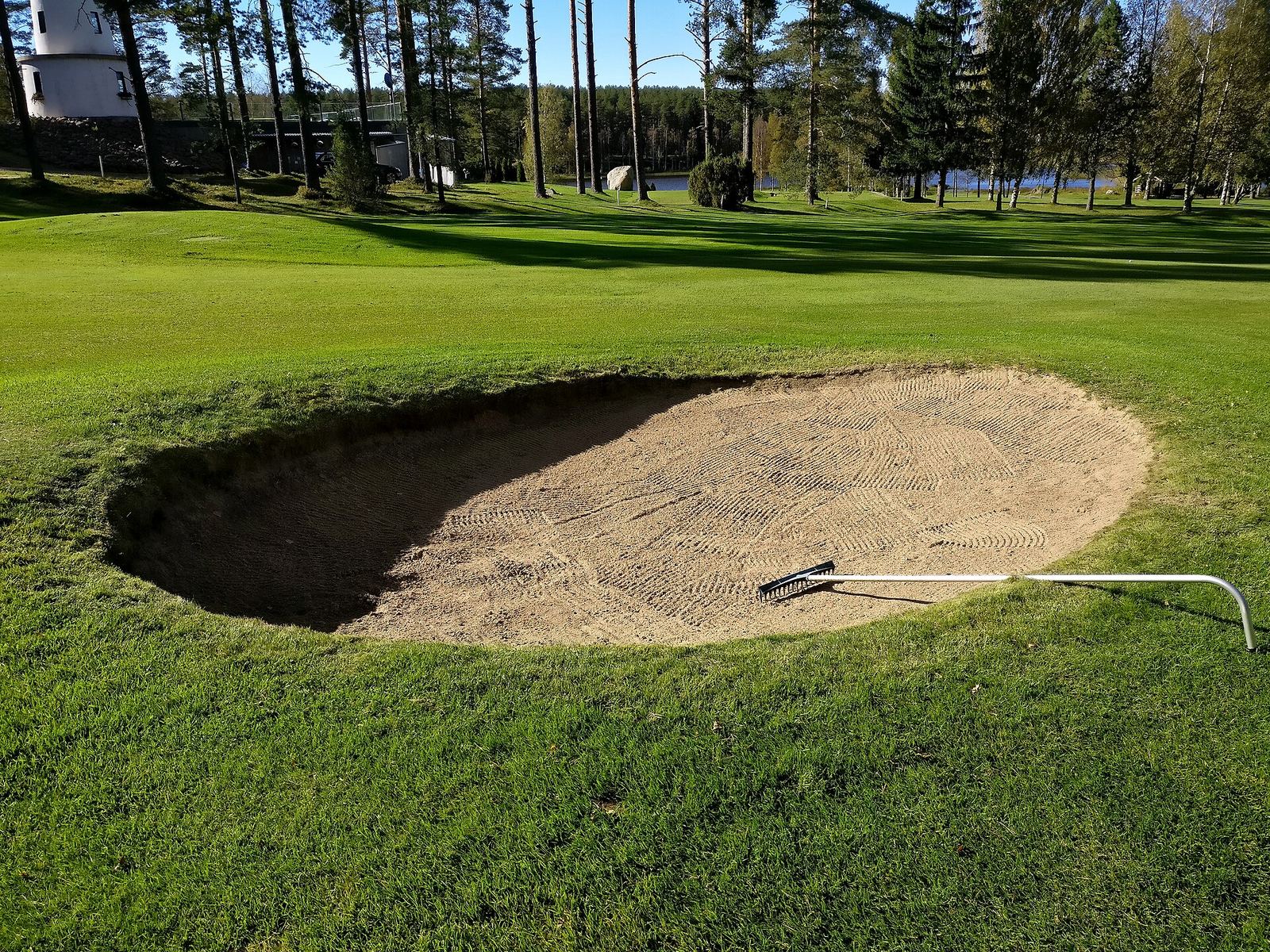
Water comes into play on 17 of the 18 holes at the Lakeland Course. Sit with that number. Most courses brag about water on five or six holes and mean a pond you can avoid with a sensible line. At Lakeland, the second course at The Quechee Club in Vermont, water is the routing. The course plays 6,671 yards of links style golf along the Ottauquechee River and Lake Pinneo, per the club, and the river and the lake are not scenery you admire between shots. They are the hazard on nearly every hole you play, all afternoon.
Geoffrey Cornish designed Lakeland, which opened in 1975, five years after the club's Highland Course. Having two Cornish courses on one property invites the obvious ranking exercise, and Lakeland's identity in that pairing is clear enough: wide fairways, water everywhere. The width matters because it changes the psychology. On a narrow course with water, the play is survival, aim at the safe half and accept your medicine. Lakeland gives you a broad fairway to find and then asks whether your approach, your layup, your recovery shot can stay dry. GolfPass lists the course at 6,670 yards, par 72, with a rating of 72.1 and slope of 132, numbers that describe a course of moderate length and real, persistent pressure. The pressure just arrives by water rather than by distance.
Both Quechee courses were restored by Brian Silva in 2012 after Tropical Storm Irene, per the club. That restoration context matters for a river course. A layout strung along the Ottauquechee was always going to take the storm's worst, and rebuilding it afterward was a statement about the club's commitment to keeping 36 holes in this valley rather than retreating to the higher, safer Highland ground alone. Lakeland came back as itself, river and lake and all, rather than as a softened version with the water engineered out. Golfers who love this course love it for exactly what a cautious redesign would have removed.
A word on the two course dynamic, because it shapes how Lakeland should be judged. Second courses at private clubs usually exist to absorb overflow: member rounds on busy weekends, outings, the guest who does not rate the main event. Lakeland was built five years after Highland on harder, wetter ground, with its own designer identity within Cornish's work and its own hazards from start to finish. It reads as a deliberate companion, not a relief valve. Members who want the river game play Lakeland on purpose, and the five year gap between the two openings suggests the club always intended a pair of distinct rounds rather than eighteen good holes and eighteen spare ones.
The access reality is plain: this is a private club course in Quechee, Vermont, and the public cannot book it on a tee sheet website. In the Vermont state ranking, Lakeland's place rests on the golf itself, because the golf is what a member or a guest actually gets. Cost of belonging is not published, and estimates for private clubs of this type in New England vary enough that any specific figure would be an estimate dressed as a fact. What can be said plainly is that the Lakeland round is the more aquatic of the two Quechee experiences, and on a still summer evening along Lake Pinneo, that is the one many members would pick.
The concession is the flip side of the headline number. Water on 17 holes can turn a bad day recursive. A golfer spraying approaches does not get the occasional dry reprieve here, and the scorecard can get wet in a hurry, literally and otherwise. High handicappers should bring extra balls and a sense of humor, and anyone judging the course after one rainy, wild round should give it a second try in calm weather before filing a verdict.
Judged fairly, Lakeland is the rare second course with a stronger personality than many clubs' first. Highland opened first and carries the senior name. Lakeland carries the river. Seventeen holes of water will tell you everything about your iron game by the turn, and the walk in along the lake, if you have kept a ball dry, feels earned in a way a gentle finishing hole never does.
Down the river, Brattleboro Country Club makes the older, smaller Vermont case, and the two courses bookend the state's golf nicely.