Course Comparisons / Tennessee
TPC Southwind vs. Memphis Country Club: The Memphis Choice
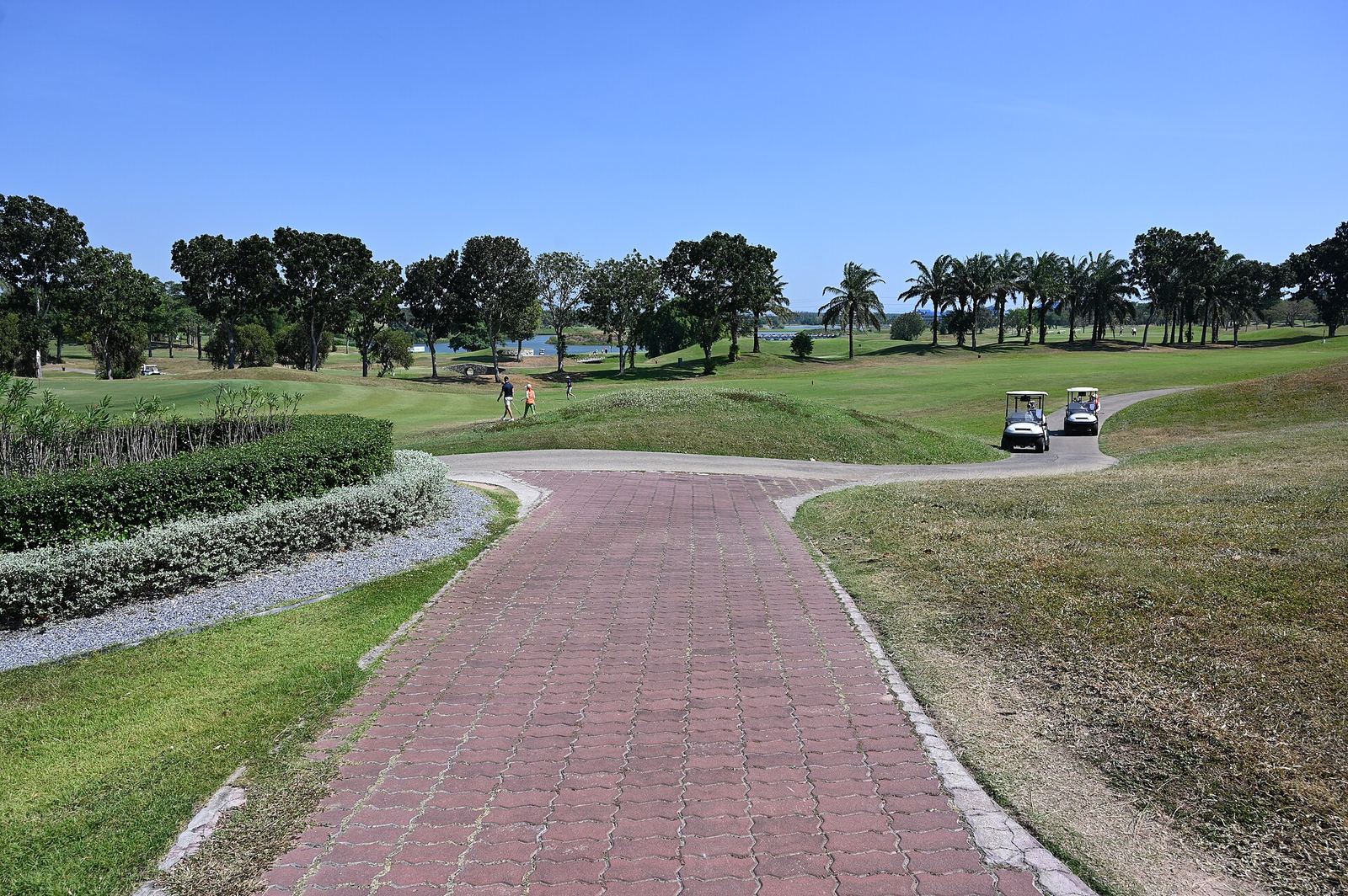
Every August the PGA Tour comes to Memphis and plays TPC Southwind on television, and every August locals have the same quiet argument. The tour course is very good. The old club across town might be better golf. Southwind is Ron Prichard's 1988 tour venue, par 70 at 7,244 yards, host of the Memphis event since 1989, now the FedEx St. Jude Championship, a FedEx Cup playoff stop. Memphis Country Club is Donald Ross by way of James Foulis, golf since 1905, about 6,700 yards at par 70 in Midtown, host of the U.S. Amateur in 1948. Both private. The choice is between the course built to examine tour players and the course built when golf in Memphis was young.
TPC Southwind: the playoff test
Southwind was built on a former dairy farm, and two original grain silos and a windmill still stand on the property, a nice reminder that tour venues start as farmland like everything else. Prichard designed it in consultation with Hubert Green and Fuzzy Zoeller, and the tour has stress tested it annually since 1989. Two par 3s carry its reputation. The 11th is a smaller version of the famous 17th at TPC Sawgrass, an island style test in miniature. The 14th, at 239 yards, consistently ranks among the toughest par 3s on the PGA Tour. A 239 yard par 3 that tour players fear is a serious hole by any measure.
A 2024 renovation rebuilt and resurfaced all 18 greens and tee complexes, so members now play the current version of the test rather than a fading one. Southwind was also one of the first courses in Tennessee certified in the Audubon Cooperative Sanctuary Program. For a Memphis golfer who wants to measure his game against the same questions Scottie and company answer in August, there is no substitute in the state. In our Memphis town ranking it is the modern standard.
Memphis Country Club: Ross in Midtown
The old club's timeline runs deeper. Golf began in 1905 with nine holes by James Foulis, Tom Bendelow soon added nine more, and Donald Ross redesigned the course in the 1910s into largely the routing played today. The Western Open came in 1913. The U.S. Women's Amateur visited in 1937 and 1979, the U.S. Amateur in 1948. Architect Kris Spence has restored tees and green complexes toward Ross's original design. GOLF Magazine ranked Memphis Country Club No. 4 in Tennessee on its 2024 and 2025 list, ahead of where most casual fans would place a 6,700 yard Midtown course they have never seen on TV.
That ranking is the argument. At about 6,700 yards, Ross's course defends itself with green complexes and angles, the shots Spence has been restoring. It is compact, walkable, old Memphis, a course members play for decades and keep finding new putts on. In the Tennessee state ranking it stands for the proposition that the state's best golf was mostly built before the tour existed.
On championship difficulty, Southwind wins clearly. Seven thousand two hundred forty four yards, playoff fields, a 239 yard par 3, greens rebuilt in 2024. No honest judge argues otherwise. Memphis Country Club's best point is different. It is the better members' course, the one with more variety per yard, a Ross routing in the middle of the city, and a No. 4 in state ranking earned without a yard of television exposure. If your golf life is weekly rather than annual, that matters more than a playoff date.
Verdict. Take Southwind for the test, the silos, the island 11th, and the chance to play a FedEx Cup playoff course the way the members do. Take Memphis Country Club if the invitation is to the old club instead, and do not treat it as a consolation prize. Half of Memphis has argued for a century that the Ross course is the real No. 1 in town. Play the 14th at Southwind from 239 if you disagree, then go putt Ross's greens in Midtown and argue again.