Course Profiles / Iowa
Veenker Memorial Golf Course: A Course Profile
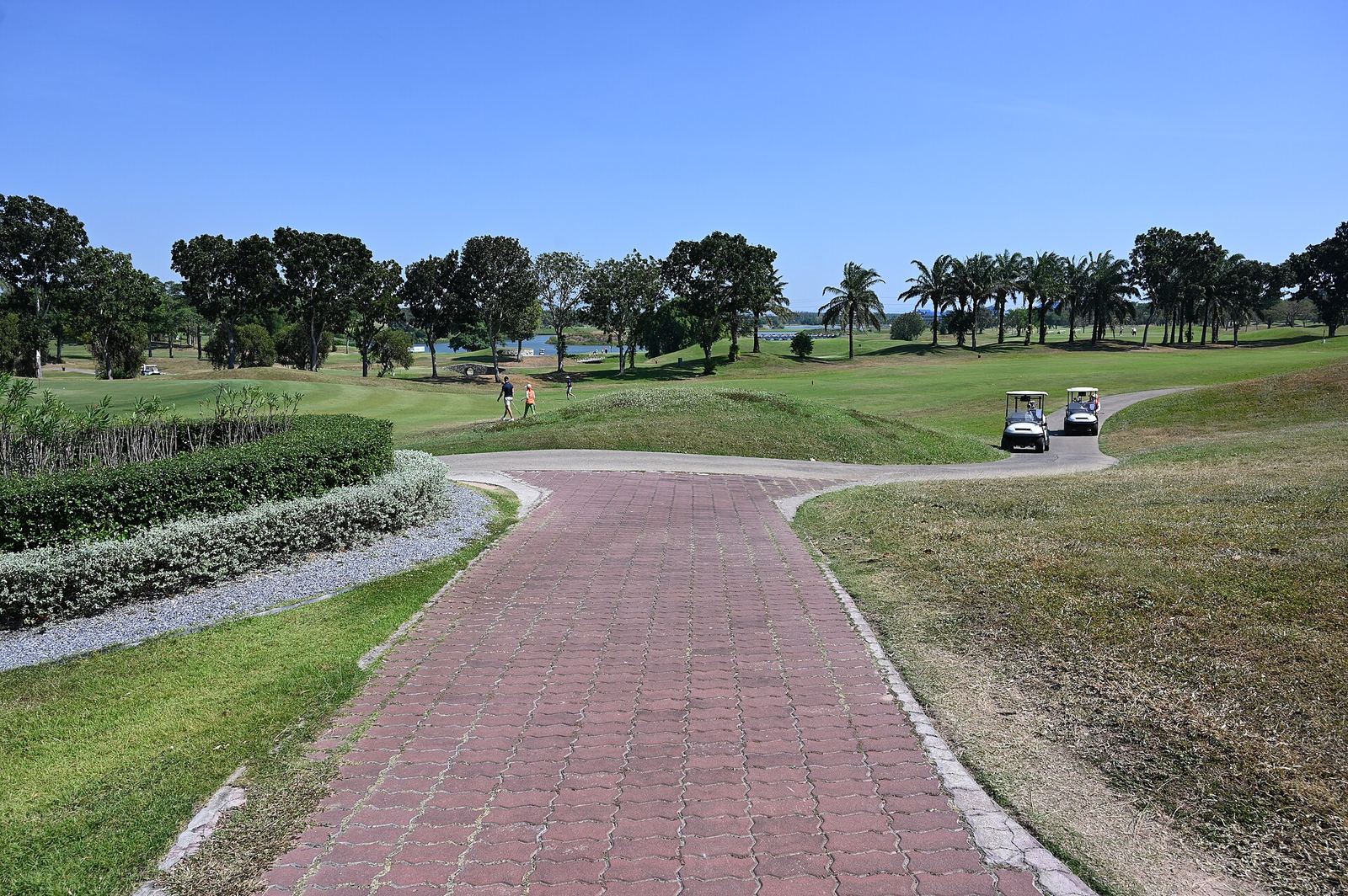
In 1949 the NCAA Championship came to Ames, and a young Arnold Palmer left as a medalist. The course he played was eleven years old, built with WPA money in the middle of the Depression, and designed by Perry Maxwell. That is Veenker Memorial Golf Course in one sentence: a university course that has been hosting serious golf since before most of its students' grandparents were born.
Maxwell built it in 1938, and the Iowa Masters has run here every year since 1938, which gives the place a competitive memory most college courses never develop. It is home to the Cyclone men's and women's teams, and it plays like a home course should. The numbers are honest rather than scary: 6,543 yards, par 72, a rating of 71.3 and a slope of 124. Nobody is getting beaten up by length here. The test is placement, and the ground.
The hole people talk about is the 11th, an uphill par 3 played over the creek to an elevated green. It was picked for Dave's Dream Course in dsm Magazine, and it earns the pick the old fashioned way: you cannot see the whole problem from the tee, the creek punishes anything timid, and the green sits up where the wind gets a vote. College golf is full of long, soft, forgettable par 3s. This one is none of those.
A working course, not a museum
The name changed in 1959, when the course was renamed for George F. Veenker shortly after his death. Plenty of memorial courses turn into shrines nobody is allowed to enjoy. Veenker went the other way. It stayed a working university course, open to the public through Iowa State, priced and run for students, faculty and the town as much as for the teams. That matters to how it feels. The range is busy. The tee sheet is busy. The golf has to hold up under daily use, and mostly it does.
We score the golf first, then the day, then what it costs you, and Veenker's case is strongest on the last two. Ames is not a golf destination, and Veenker does not pretend otherwise. It is the course a town of this size is lucky to have, drawn by a Golden Age architect whose work usually sits behind private gates. Maxwell for public money is a trade most golfers should take every time. Readers working through our Ames ranking will find it at the center of the local argument, and it anchors the full Iowa state ranking for the same reason.
The concession is real. At 6,543 yards with a slope of 124, a strong player who hits it straight will run out of questions by the turn some days, and university budgets do not produce private club conditioning in August. If you want a brute, drive somewhere else.
But that misses what the course is for. Veenker asks a college kid, a professor and a visiting alumnus the same set of questions Maxwell drew in 1938, and the creek at the 11th still collects the same bad swings it collected when Palmer was a medalist here. Courses that stay honest for 86 years are rare. This one never had the money to be anything else, and it turned out to be the best thing about it.
What the card does not say
Six thousand five hundred forty three yards sounds modest until you remember when the routing was drawn. Maxwell was working in 1938, with WPA labor and a Depression budget, and he still produced a course that a national championship field could be tested on eleven years later. That 1949 NCAA Championship is the credential that separates Veenker from the long list of pleasant college courses. A medalist finish by Arnold Palmer, then a Wake Forest player building the game that would change the sport, happened on these fairways. Championships do not get sent to courses out of charity. The NCAA came because the golf held up.
The Iowa Masters, running every year since 1938, is the other pillar. Annual events that survive that long become part of a state's golf calendar, and they keep a course honest in a way rankings cannot. The field changes, the equipment changes, the course gets graded every summer by people trying to win something on it. Add the daily reality of serving as home to both Cyclone teams, and Veenker carries more competitive rounds in a year than most private clubs see in five.
None of that requires dressing the place up. It is a university course in Story County, open to the public, and the golf Maxwell left behind still does the talking.