Architect Rankings
The Best Seth Raynor Golf Courses in America
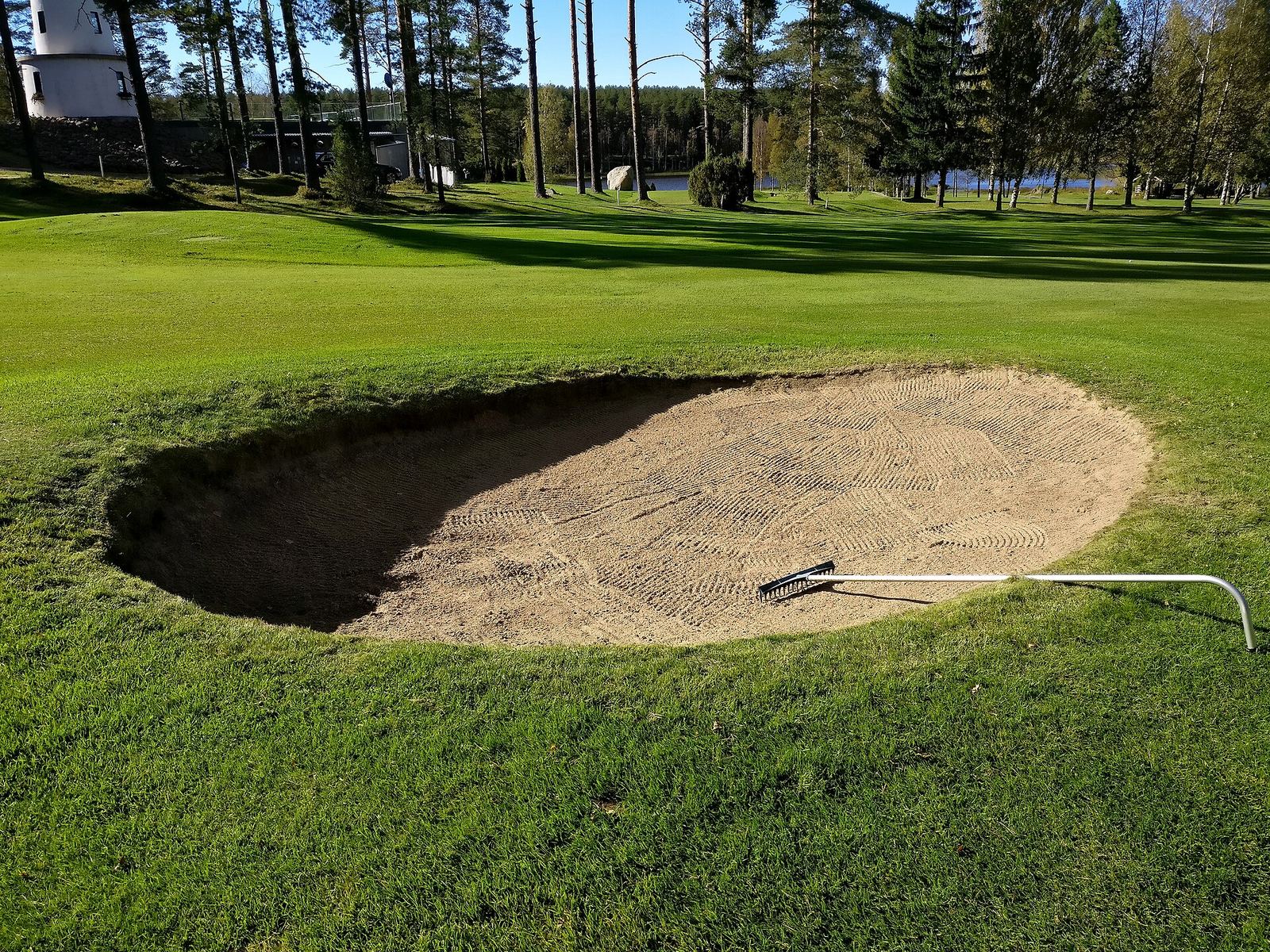
Seth Raynor never played golf at any level worth recording, learned architecture as C.B. Macdonald's engineer, and left behind a body of work across 18 states in our dataset that modern architects study the way painters study a dead master's notebooks. His method was templates. The Redan, the Biarritz, the Alps, the Road, the Punchbowl, hole ideas imported from Britain and rebuilt, course after course, with local variations. Critics call it repetition. Golfers who have played three Raynors call it a language. These are the eight courses, from the dataset's writable records, where the language speaks clearest, from Locust Valley and White Sulphur Springs to New Haven.
1Fishers Island Club
Raynor died in early 1926, before this course officially opened that year, and it stands as his farewell and his peak. A private island in New York waters, reachable only by ferry, with ocean views from nearly every hole, par 72 at about 6,616 yards. Two Redan greens, one of them on a par 4, which is Raynor bending his own template until it becomes a new idea. Three holes sit on Golf Digest's list of America's 100 Greatest Holes. Isolation preserved it. The ferry is the best defense a classic course ever had.
2The Course at Yale
Macdonald and Raynor together, opened April 15, 1926, built for a then record $400,000 on the 720 acre Greist Estate in New Haven. The ninth is the world's best Biarritz, and the card also carries Redan, Alps, Road, and Double Plateau holes at monumental scale. It hosted every major Connecticut state championship, two USGA junior events, and six NCAA regionals. Gil Hanse and Jim Wagner are restoring the 1926 design now. Ranked No. 2 in Connecticut by Golf Digest and recently made more publicly accessible, a rare window for the public into this architecture.
3St. Louis Country Club
One of only a handful of Macdonald designs, with Raynor overseeing construction, opened 1914 in Ladue, and ranked No. 1 in Missouri by Golf Digest. It hosted the 1947 U.S. Open, won by Lew Worsham over Sam Snead in a playoff, plus the U.S. Amateur in 1921, two U.S. Women's Amateurs, and the 2014 Curtis Cup. Par 71 at about 6,498 yards on a tight parcel, with a Redan par 3 at the 16th and a closing Alps inspired par 4 with a blind approach. Proof that the template method wins majors on small land.
4Blue Mound Golf and Country Club
Wauwatosa, Wisconsin, opened in summer 1926, and the keeper of a remarkable fact. Blue Mound is one of only three Raynor courses with all 18 original greens, alongside Chicago Golf Club and Shoreacres. It hosted the 1933 PGA Championship, won by Gene Sarazen, the first major held in Wisconsin, and the 1940 Women's Western Open, won by Babe Zaharias. Redan, Biarritz, Alps, Road, and Punchbowl templates, restored in the late 1990s by Renaissance Design under Bruce Hepner. Par 70 at about 6,672 yards of intact 1926 evidence.
5Waialae Country Club
The Raynor the public actually sees. Founded in 1927 in East Honolulu, designed by Raynor with Charles Banks, opened February 1, 1927 alongside the Royal Hawaiian Hotel, and host of the Sony Open in Hawaii since 1965, the first full field PGA Tour event of the calendar year. It remains the only Raynor design on the PGA Tour schedule. Par 72 at 7,125 yards, with the par 3 eighth patterned on the Redan at North Berwick and the 13th on a hole at Biarritz. The templates, on television, every January.
6The Creek
Locust Valley, 1925, Macdonald and Raynor on a bluff above Long Island Sound, ranked No. 53 on Golfweek's 2026 list of the best classic courses in the United States. The 11th hole is an island Biarritz green, the single most theatrical version of the template ever built. Gil Hanse restored the course in 2011. Dubbed the Million Dollar Club on opening for its exclusive membership, it anchors our Locust Valley ranking and earns its place here on one hole's genius and seventeen holes of bluff top class.
7Country Club of Fairfield
Raynor in Connecticut, 1921, with holes touching Long Island Sound, ranked No. 3 in the state by Golf Digest. Par 70 at 6,358 yards, a 71.6 rating and a 133 slope. A.W. Tillinghast sketched new fourth through sixth holes around a lagoon in the mid 1920s, later built, and Tom Doak was hired in the early 2000s to re establish Raynor greens and bunkering. Two other masters hired to protect a Raynor. That is the reputation, documented.
8Old White Course
The Greenbrier's first 18, opened 1914, Macdonald designed with Raynor in his building years, named for the Old White Hotel that stood on the grounds from 1858 to 1922. A Redan 8th, an Alps 13th, an Eden 15th. It hosted the Greenbrier Classic on the PGA Tour from 2010, and Stuart Appleby won the inaugural edition with a final round 59. Lester George restored it in 2006. Sam Snead was the resort's professional from the late 1940s until his death. A resort course, so unlike the seven privates above it, you can actually book this one.
Now the concession. The template method means a golfer can play his fifth Raynor and start finishing the architect's sentences, and some of the inland Raynors on lesser ground do blur together. The method also ties his reputation to Macdonald's, and purists will argue the master deserves the larger share. Fair enough. But the man who built the templates into American soil, course after course, state after state, was Raynor, and when he died in 1926 the language nearly died with him. Fishers Island was still waiting for its opening day. It has been making his argument for a hundred years.